Key facts of the era
Key Events
Journey through the events, people, wars and ideas that shaped Kosovo, from the first farmers of Runik to the Republic of Kosovo today.
Follow the Dardanian kings and Roman Dardania, Justinian's rebuilding, the Bulgarian and Byzantine empires, the Nemanjić monasteries of Peć, Gračanica and Dečani, the mines of Novo Brdo and Trepča, the Battle of Kosovo in 1389, Ottoman rule and the Albanian and Serbian migrations, the League of Prizren, the Balkan Wars, the two Yugoslavias, the Kachak movement and the Second World War, the Autonomous Province and its 1974 Constitution, the revoked autonomy, the parallel state of the 1990s, the war of 1998–99, the UN administration and the declaration of independence in 2008.
Meet the kings, sultans, presidents and administrators who ruled the land, and the prime ministers and Party leaders who governed it.
From the Dardanian kings and the Nemanjić dynasty to the Ottoman sultans, the Yugoslav kings and presidents, the UN administrators and the presidents of Kosovo, with the prime ministers and Party leaders who governed the land.
A Journey Through the Ages
Kosovo (Albanian Kosova, Serbian Kosovo i Metohija), a landlocked country of high basins in the middle of the Balkans, between Serbia, North Macedonia, Albania and Montenegro, is made up of two plains, the Kosovo plain in the east and the Dukagjin plain, called Metohija in Serbian, in the west, divided by hills and ringed by the Šar Mountains and the Accursed Mountains (Bjeshkët e Nemuna, Prokletije). Farmers of the Starčevo culture settled at Runik in Drenica about 6200 BCE, Vinča-culture villages such as Fafos and Tjerrtorja followed, and the terracotta figure called the Goddess on the Throne is the best-known prehistoric find. In antiquity the land belonged to the Dardani, whose kings Longarus, Bato and Monunius fought Macedon and allied with Rome; Rome annexed Dardania in 29–28 BCE, made it part of Moesia and later a province of its own, and Justinian rebuilt the city of Ulpiana as Justiniana Secunda before Avar and Slav attacks ended Roman urban life in the early 7th century.
After centuries of Byzantine and Bulgarian rule, ended by Basil II's reconquest of 1018, Stefan Nemanja took Kosovo for Serbia in the 1180s, and for two centuries it was the heartland of the Nemanjić kings and of the Serbian Church: Milutin built Gračanica and the Church of the Virgin of Ljeviš, Stefan Dečanski founded Visoki Dečani, the Patriarchate of Peć was proclaimed under Emperor Dušan in 1346, and the mines of Novo Brdo and Trepča, worked by Saxon miners and traded by merchants from Ragusa, made it one of the richest lands of the Balkans. On 28 June 1389 Prince Lazar and Sultan Murad I fought on the Kosovo plain; both rulers were killed, historians usually regard the battle as inconclusive, and in Serbian memory it became a founding legend, while Albanian tradition remembers the Ottoman wars through other names. The Branković lords held Kosovo until Mehmed II took Novo Brdo in 1455.
Under the Ottomans, from 1455 to 1912, Kosovo was divided among the sanjaks of Vučitrn, Prizren and Dukagjin and, from 1877, formed a vilayet of its own. Pristina, Prizren, Peja/Peć and Gjakova/Đakovica gained mosques, hammams and bridges, the towns became largely Muslim while the countryside stayed mostly Christian, the Serbian Patriarchate of Peć was restored in 1557 and abolished in 1766, and the highland clans kept the customary law known as the Kanun. The Habsburg campaign of 1689 and the Great Migration of the Serbs of 1690 changed the population, Albanian clans were resettled in emptied lands, and in the 19th century the Tanzimat, the Serbian wars of 1876–1878 and the League of Prizren of 1878 brought Albanians and Serbs into open political rivalry. In the First Balkan War of 1912 Serbian and Montenegrin armies took Kosovo from the Ottomans, a conquest remembered in Serbia as a liberation and among Albanians as an occupation marked by killings that the Carnegie commission of 1914 documented. Kosovo became part of the Kingdom of Serbs, Croats and Slovenes in 1918, was divided among Axis occupiers in 1941 with most of it joined to Italian-ruled and then German-occupied Albania, and was retaken by the Partisans in 1944–1945.
In Tito's Yugoslavia Kosovo was an autonomous region of Serbia from 1946, an autonomous province from 1963 and, under the constitution of 1974, a unit with powers close to those of a republic, with its own university at Pristina; the student demonstrations of 1981 and the nationalism of the late 1980s ended in the revocation of its autonomy in 1989. Kosovo Albanians built a parallel state of schools, clinics and institutions under Ibrahim Rugova, the Kosovo Liberation Army began an insurgency in 1996, and the war of 1998–1999, with mass expulsions of Albanians and NATO's 78-day air campaign, ended with United Nations Security Council Resolution 1244 of 10 June 1999, which placed Kosovo under UNMIK and the NATO-led KFOR while reaffirming Yugoslav sovereignty. Status talks led by Martti Ahtisaari failed, and on 17 February 2008 the Assembly of Kosovo declared independence; it is recognised by many states but not by Serbia, which regards Kosovo as its Autonomous Province of Kosovo and Metohija, nor by several others, and the International Court of Justice found in 2010 that the declaration did not violate international law. Belgrade and Pristina have talked under EU auspices since 2011, and the 2024 census counted 1,585,566 residents. Explore the eleven ages below through selected events from the timeline.

40,000 BCE – 401 BCE
Early farmers, Vinča villages and the first metalworkers.
Starčevo farmers at Runik, the Vinča culture of Fafos and Tjerrtore with the 'Goddess on the Throne', the Runik ocarina, and the Bronze and Iron Age tumuli of Romaja and the Dukagjin plain.

About 6200 BCE a Starčevo-culture farming village at Runik in Drenica became one of the two oldest dated Starčevo settlements anywhere.

A baked-clay ocarina from Runik is the oldest musical instrument yet found in Kosovo.
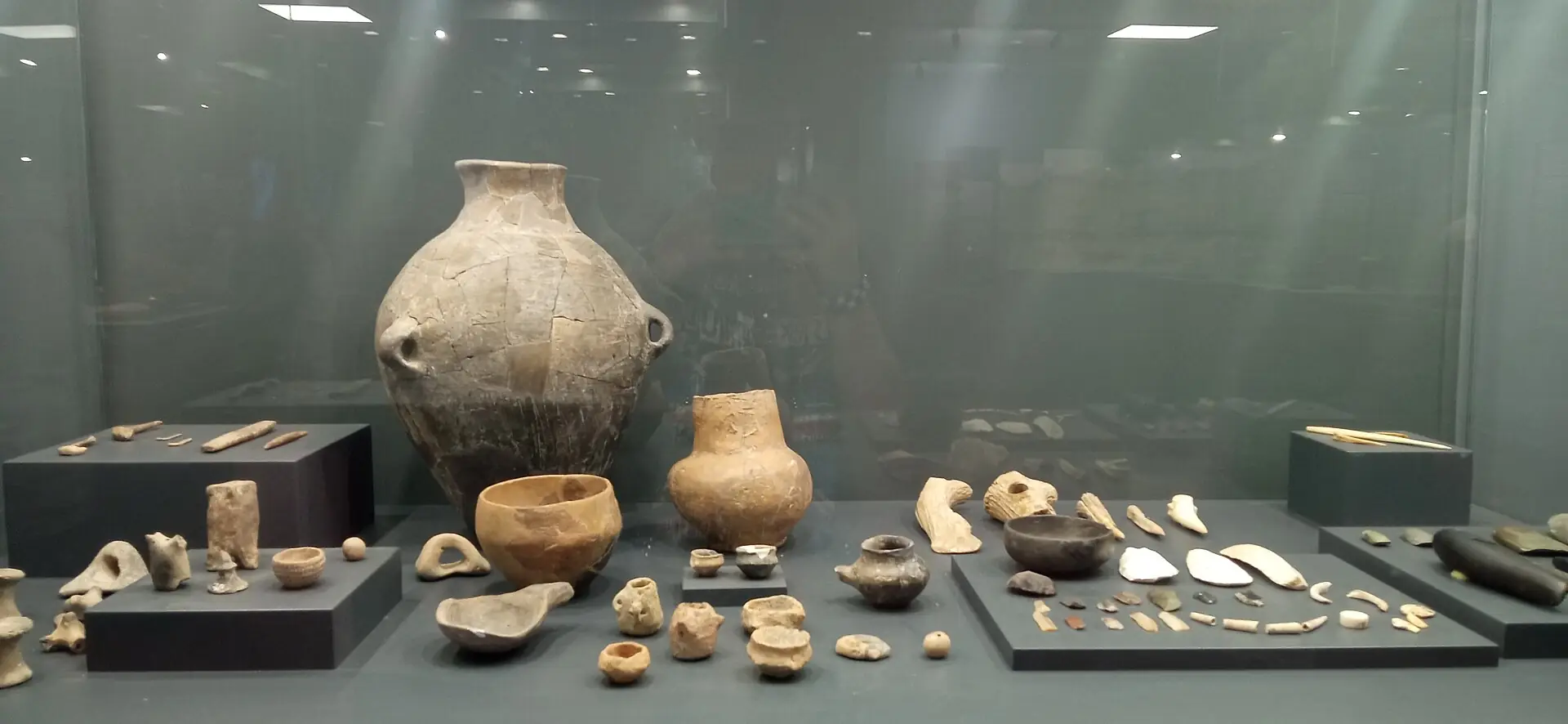
About 5000 BCE two successive Vinča-culture villages flourished at Fafos, in today's Mitrovica, before most of their huts were destroyed by fire.

Burial mounds and cemeteries of the Dukagjin plain and of the site of later Ulpiana record the elites of the Bronze and Iron Ages.

400 BCE – 599
The Dardani, Roman provinces and Justinian's new city.
The Dardanians and their kings, wars with Macedon, Roman conquest (28 BCE), Moesia and the province of Dardania, Ulpiana and the mines of Municipium Dardanorum, early Christianity and Justinian's rebuilding.

In 230 BCE the Dardani under Longarus seized the Paeonian city of Bylazora, extending their kingdom towards the Vardar.

In 200 BCE Bato of Dardania joined the Roman consul Sulpicius Galba against Philip V of Macedon in the Second Macedonian War.

In 29–28 BCE Marcus Licinius Crassus, campaigning against the Bastarnae, completed the Roman conquest of Dardania.

On 9 July 518 Justin, a peasant-born soldier from Bederiana in Dardania, was proclaimed Eastern Roman emperor.

600 – 1179
Slavs, Bulgarian tsars and the Byzantine frontier.
Slavic settlement, the First Bulgarian Empire and Samuel, Byzantine reconquest (1018) and the Theme of Bulgaria, and the rise of Raška on Kosovo's northern edge.

In 864 Khan Boris I accepted baptism from Constantinople, making Christianity the official religion of the Bulgarian state, which then included Kosovo.

In 976 four brothers led a revolt that restored Bulgarian power in the west; Samuel later built an empire centred on Prespa and Ohrid.

On 29 July 1014 Basil II destroyed Samuel's army at Kleidion; Samuel died soon afterwards.

In 1072 rebels proclaimed the Dukljan prince Konstantin Bodin tsar at Prizren, before Byzantine forces crushed the uprising.
1180 – 1455
The Nemanjić heartland, its monasteries and mines, and the battle that became a legend.
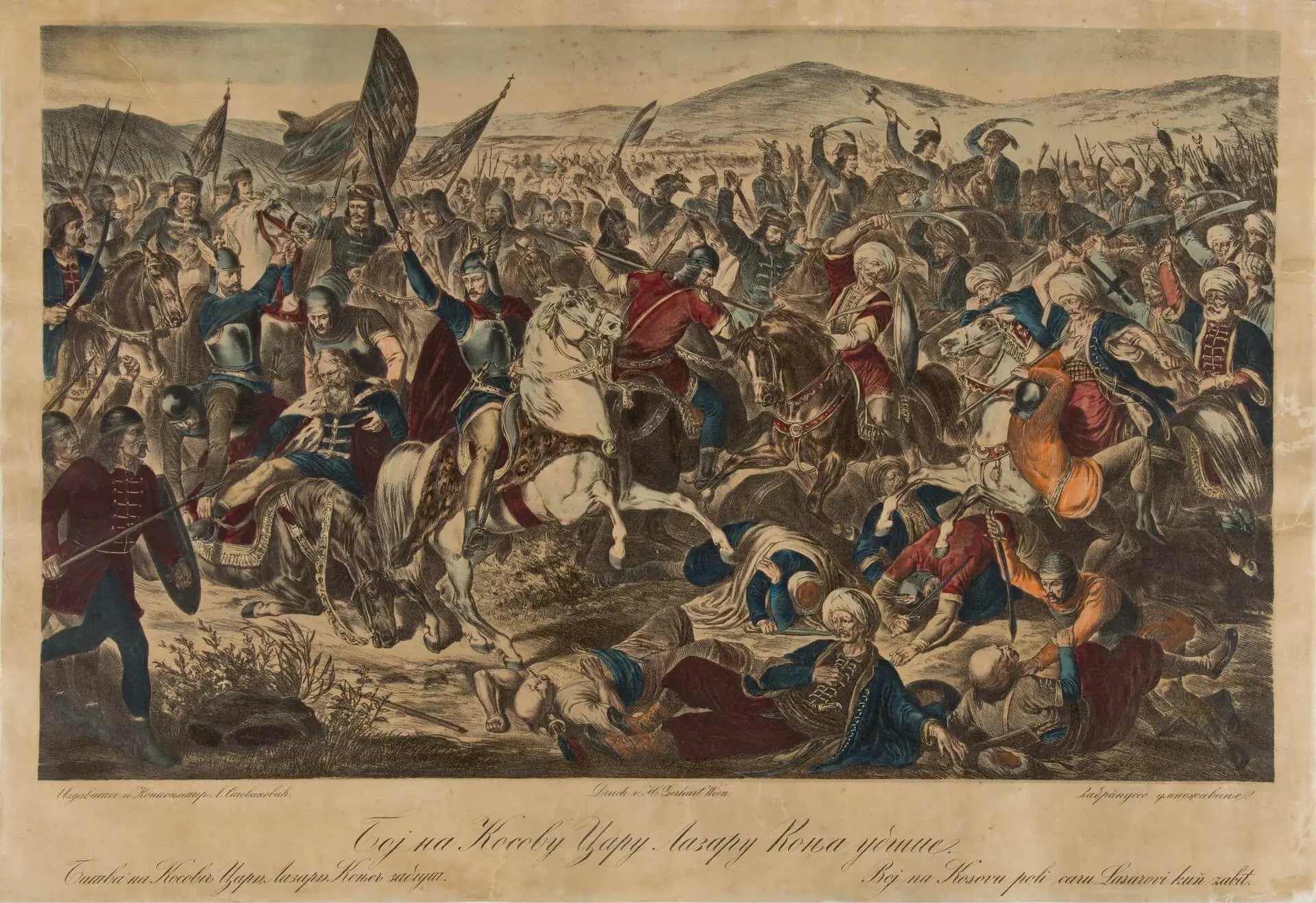
Nemanjić Serbia and its monasteries (Peć, Gračanica, Dečani, Ljeviš), the mines of Novo Brdo and Trepča, the Battle of Kosovo (1389), the Branković lands and the Ottoman conquest (1455).

From 1327 King Stefan Dečanski built the Monastery of Visoki Dečani in Metohija, the work of the Franciscan master Fra Vita of Kotor.
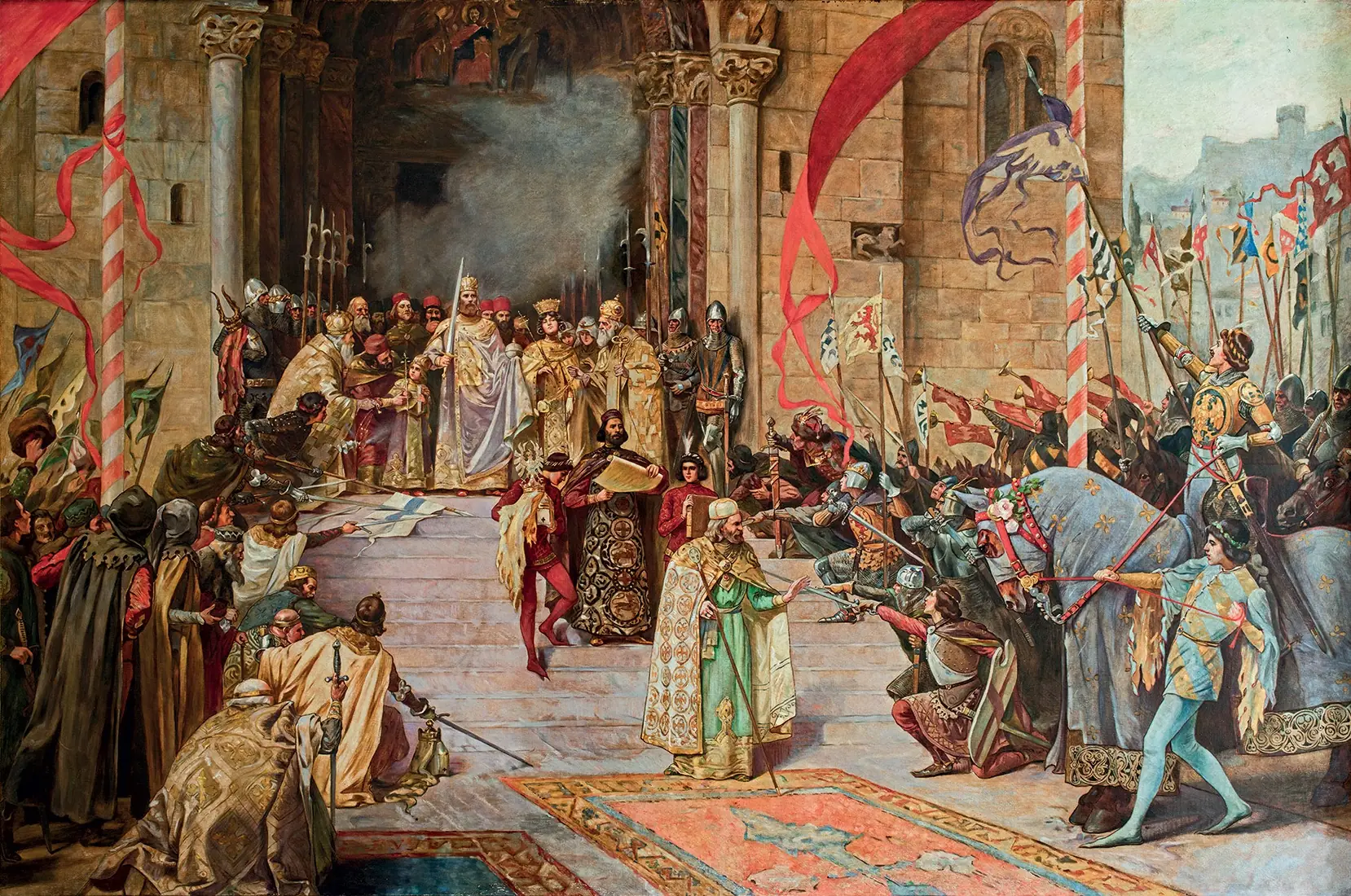
On 16 April 1346 Stefan Dušan was crowned Emperor of the Serbs and Greeks at Skopje by the new Serbian patriarch, whose seat was at Peć.

In 1412 Despot Stefan Lazarević issued the Mining Code at Novo Brdo, regulating the mines and the city law of the largest mining town in the Balkans.

After 1389 Serbian clergy and the nun Jefimija created the cult of Prince Lazar as a martyr, the origin of the Kosovo tradition.

1456 – 1877
Four and a half centuries of Ottoman towns, faiths and migrations.
Four and a half centuries of Ottoman rule: sanjaks of Vučitrn, Prizren and Dukagjin, Islamisation, mosques and bridges, the restored Patriarchate of Peć, the Great Turkish War and the Great Migrations, local pashas and Tanzimat revolts.

In 1479 the Ottomans conquered the Dukagjini principality; its lord Lekë Dukagjini gave his name to the highland customary law.
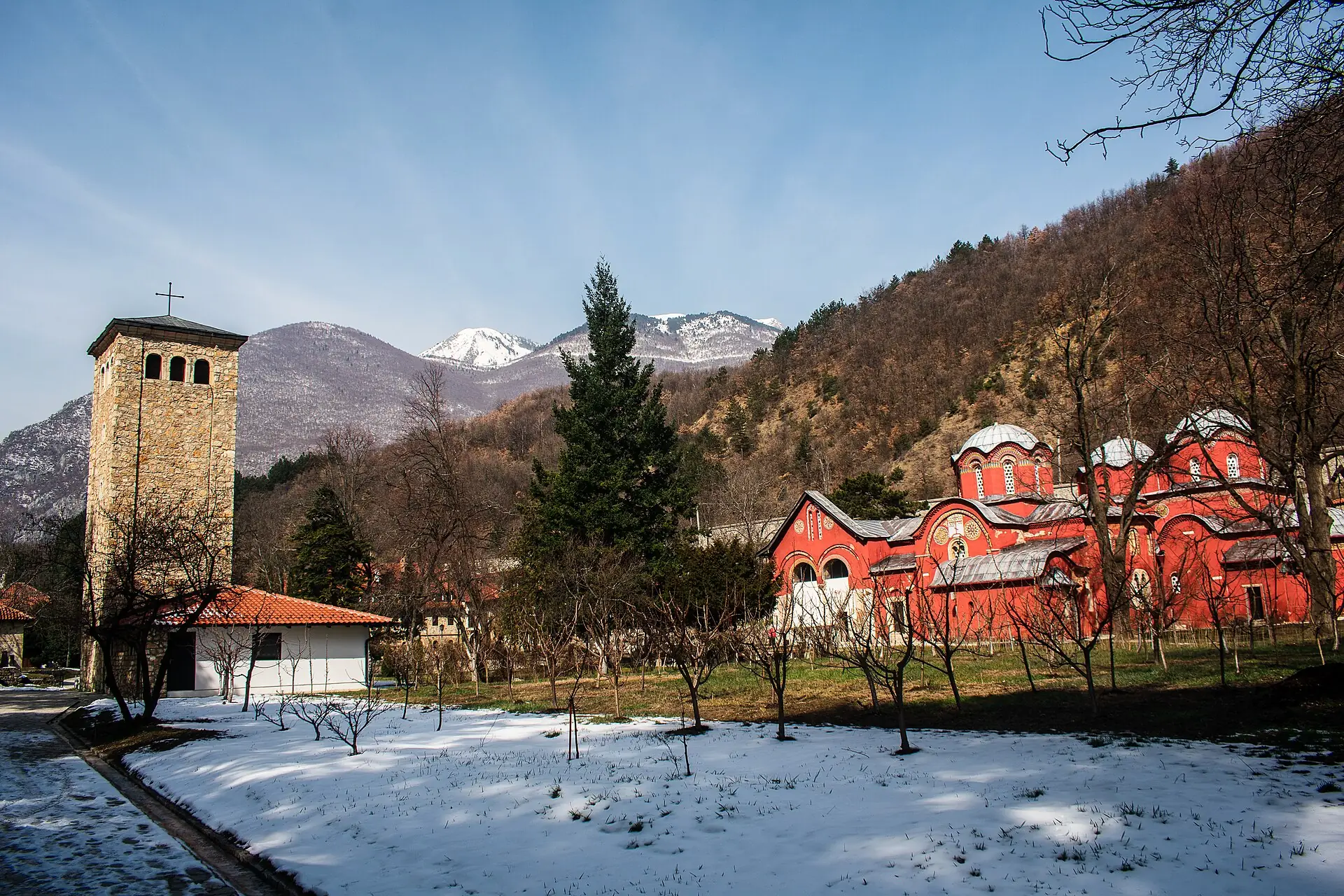
In 1557, through the influence of Mehmed Pasha Sokolović, the Serbian Patriarchate of Peć was restored with Makarije as patriarch.

In 1685 Archbishop Pjetër Bogdani published the Cuneus Prophetarum in Padua, the first major original prose work in Albanian.

In 1690, after Ottoman victories in Kosovo, Patriarch Arsenije III led tens of thousands of Serb refugees into Habsburg Hungary.

1878 – 1918
Albanian political awakening and the Serbian and Montenegrin takeover of Kosovo.
The League of Prizren (1878), the Kosovo Vilayet, the Albanian revolts of 1909–12, Serbian and Montenegrin conquest in the Balkan Wars, and the First World War occupations.

On 13 July 1878 the Congress of Berlin revised the Treaty of San Stefano, recognising Serbian and Montenegrin independence and awarding them territory claimed by Albanians.
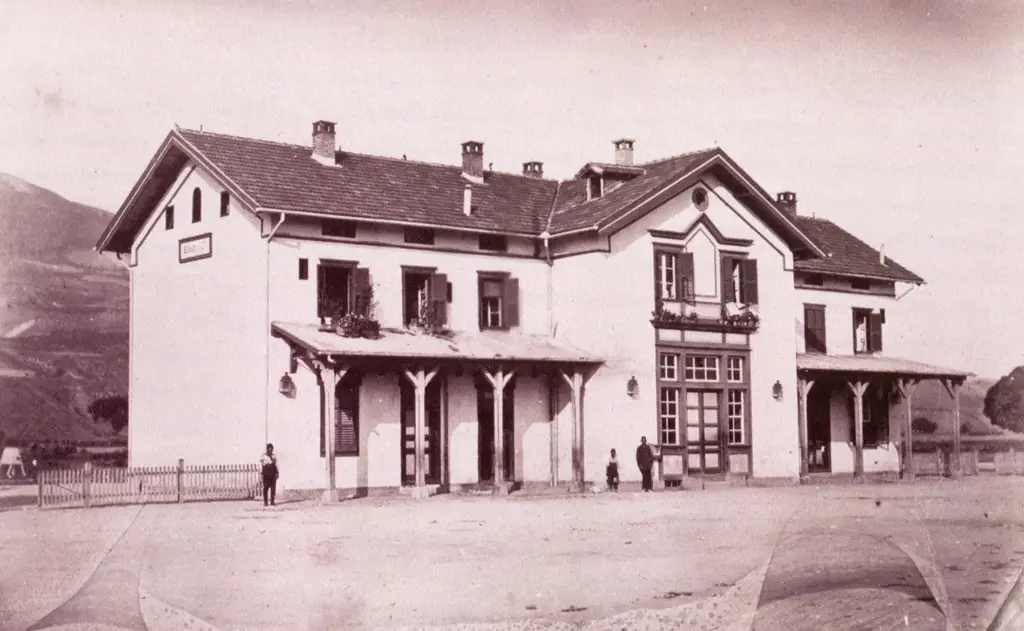
In May–September 1912 Kosovo Albanian rebels under Hasan Prishtina and Isa Boletini overran much of the vilayet and captured Skopje in August.

On 22 October 1912 the Serbian Third Army entered Pristina; Prizren followed on 30 October.

In 1914 an international commission sponsored by the Carnegie Endowment published its report on atrocities committed by all sides in the Balkan Wars.

1919 – 1945
Colonisation, resistance and the Axis partition of 1941.
The Kachak movement, colonisation and emigration under the Kingdom of Yugoslavia, Axis partition in 1941 with most of Kosovo joined to Italian-ruled Albania, the Bujan Conference and the Partisan takeover of 1944–45.

In 1920 a decree on the colonisation of the southern regions launched state-sponsored Serb and Montenegrin settlement in Kosovo, continued through the 1930s.

In 1927 the British company Trepča Mines Limited acquired the lead and zinc deposits near Mitrovica, beginning large-scale mining in 1930.

In 1941 most of Kosovo, with western Macedonia and parts of Montenegro, was annexed to the Italian-controlled Albanian kingdom.

On 8–10 July 1945 a regional assembly in Prizren voted to attach Kosovo and Metohija to the Federal State of Serbia within Yugoslavia.
Population: Linear interpolation between 1931 (Census 1931: 552,064 (Wikipedia, Demographics of Kosovo)) and 1948 (Census 1948: 733,034 (Wikipedia, Demographics of Kosovo)).

1946 – 1988
From autonomous region to near-republic in Tito's Yugoslavia.
An autonomous region of Serbia within Tito's Yugoslavia: Ranković's security regime, the 1968 protests, the University of Pristina, near-federal status under the 1974 constitution and the 1981 demonstrations.

On 7 April 1963 the new Yugoslav constitution raised Kosovo and Metohija to an autonomous province, equal in rank with Vojvodina.

In February 1970 the University of Pristina was formally established, giving Kosovo its first full university, with teaching in Albanian and Serbo-Croatian.

On 11 March 1981 a canteen protest at the University of Pristina grew into mass Albanian demonstrations demanding a Republic of Kosovo.

On 24 April 1987 Slobodan Milošević told protesting Kosovo Serbs at Kosovo Polje that no one should dare to beat them, launching his rise to power.
Population: Linear interpolation between 1981 (Census 1981: 1,584,440 (Wikipedia, Demographics of Kosovo)) and 1991 (Census 1991: 1,956,196, with Albanian figures estimated because most Albanians boycotted the count (Wikipedia, Demographics of Kosovo)).

1989 – 1999
A parallel Albanian society under Serbian rule, and the war of 1998–1999.
The revocation of autonomy (1989), Rugova's LDK and the parallel institutions, the rise of the KLA, the war of 1998–99 and NATO's air campaign.

On 23 December 1989 Albanian intellectuals founded the Democratic League of Kosovo, led by the literary scholar Ibrahim Rugova.

In the autumn of 1991, excluded from state schools and the university, Albanian teachers and pupils began classes in private houses.

From 24 March to 10 June 1999 NATO conducted a 78-day air campaign against the Federal Republic of Yugoslavia, without Security Council authorisation.

On 9 June 1999 NATO and Yugoslav commanders signed a military-technical agreement for the withdrawal of Yugoslav forces from Kosovo.
Population: Linear interpolation between 1991 (Census 1991: 1,956,196, with Albanian figures estimated because most Albanians boycotted the count (Wikipedia, Demographics of Kosovo)) and 2011 (Census 2011: 1,780,021, including estimates for the northern Serb-majority municipalities that boycotted it (Wikipedia, Demographics of Kosovo)).

2000 – 2007
Kosovo under the United Nations, from Resolution 1244 to the Ahtisaari plan.
UNMIK and KFOR under UN Security Council Resolution 1244, provisional institutions, the March 2004 unrest, and the status talks that produced the Ahtisaari plan.

On 12 June 1999 NATO-led peacekeepers of the Kosovo Force began entering Kosovo as Yugoslav forces withdrew.
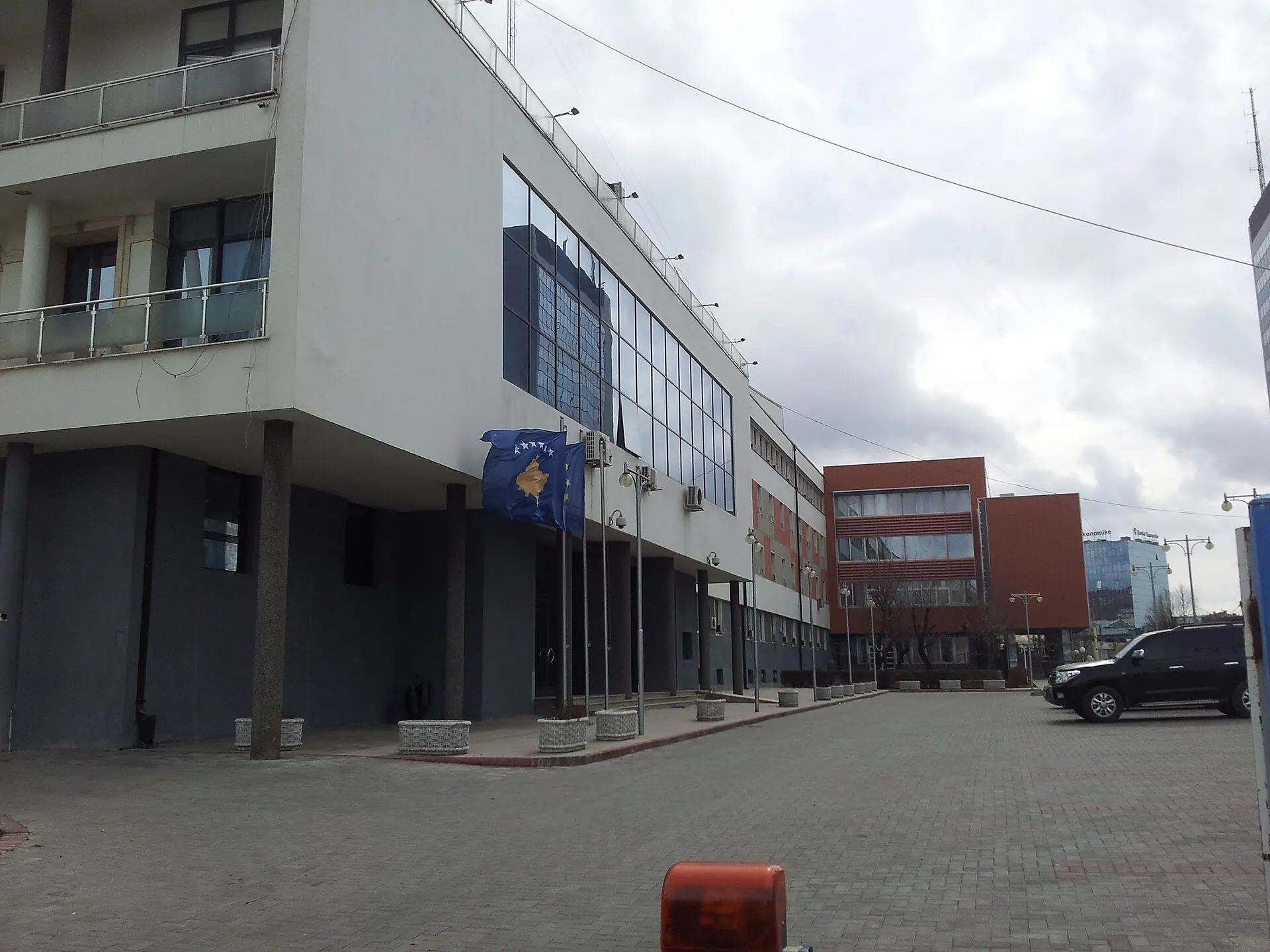
On 15 May 2001 UNMIK promulgated a Constitutional Framework establishing Kosovo's Provisional Institutions of Self-Government.

On 17–18 March 2004 riots against Serbs and other minorities spread across Kosovo; the United Nations reported 19 dead and thousands displaced.

On 26 March 2007 Martti Ahtisaari submitted to the Security Council his plan recommending independence for Kosovo, supervised by the international community.
Population: Linear interpolation between 1991 (Census 1991: 1,956,196, with Albanian figures estimated because most Albanians boycotted the count (Wikipedia, Demographics of Kosovo)) and 2011 (Census 2011: 1,780,021, including estimates for the northern Serb-majority municipalities that boycotted it (Wikipedia, Demographics of Kosovo)).

2008 – present
A disputed statehood, dialogue with Belgrade and the road towards Europe.
The declaration of independence (17 February 2008), recognised by many states but not by Serbia, the ICJ opinion, the Brussels dialogue, the Specialist Chambers, the Kurti governments and the political deadlock of 2025–26.

On 22 July 2010 the International Court of Justice found that Kosovo's declaration of independence did not violate international law.

On 19 April 2013 the prime ministers of Serbia and Kosovo initialled the EU-brokered First Agreement of Principles Governing the Normalisation of Relations.

On 3 August 2015 the Assembly amended the constitution to create a special court, seated in The Hague, to try crimes alleged in the Council of Europe report.

On 1 January 2024 Kosovo citizens gained visa-free access to the Schengen area, the last in the Western Balkans to do so.
Population: Census 2024: 1,585,566 resident population (Wikipedia, Demographics of Kosovo; other figures in the article differ slightly).
Illyrians, Skanderbeg, Sultans and the Republic – Prehistory to Today
From the Neolithic farmers of Runik and the Goddess on the Throne to the Dardanians, Roman Ulpiana, Byzantium and Bulgaria, Nemanjić Serbia and the Battle of Kosovo, Ottoman rule, the League of Prizren, the Balkan Wars, Yugoslavia, the war of 1998–99, UN administration and the 2008 declaration of independence.
If the page stays blank, the site doesn't allow embedding — use “Open in new tab”.
From the frescoes of Gračanica and Visoki Dečani and the minarets of Prizren to the silver mines of Novo Brdo and the shafts of Trepča, the history of Kosovo has left the world the medieval monasteries of the Serbian Church, the mosques, bridges and bazaars of the Ottoman towns, an Albanian language and literature carried through centuries of foreign rule, the oral law of the Kanun, the memory of the Battle of Kosovo that Serbs have kept for six centuries, the memory of the League of Prizren and of the long struggle for self-rule that Albanians keep, a parallel state of schools in private houses, the experience of a United Nations administration, and a young, disputed state of 17 February 2008, recognised by many but not by all, between Pristina, Belgrade, Tirana, Skopje, Podgorica, Brussels and the diaspora of Western Europe.
The Medieval Monuments in Kosovo are inscribed on the UNESCO World Heritage List: the Monastery of Visoki Dečani, founded by Stefan Dečanski in 1327 and built by the Franciscan master Fra Vita of Kotor, was inscribed in 2004, and in 2006 the listing was extended to the Patriarchate of Peć, where the Serbian archbishops resided from the 1230s and the patriarchs from 1346, the Monastery of Gračanica, completed by King Milutin in 1321, and the Church of Our Lady of Ljeviš in Prizren, rebuilt by Milutin in 1306–1307. All four are Serbian Orthodox foundations with Byzantine-style frescoes, and the site has been on the List of World Heritage in Danger since 2006, because of the difficult political situation. Dozens of Serbian Orthodox churches and monasteries were damaged in the unrest of March 2004, the monasteries are protected by special zones under the Ahtisaari plan and the Constitution of Kosovo, the church of Banjska, Milutin\'s intended mausoleum, and the Holy Archangels near Prizren, the burial church of Emperor Dušan, belong to the same medieval landscape, and Kosovo\'s application to join UNESCO in 2015 fell short of the votes it needed. Roman Ulpiana and the mining town of Municipium Dardanorum, the Neolithic sites of Runik and Vlashnjë and the Goddess on the Throne of Tjerrtorja, the oldest layers of this heritage, are protected by the national institutions.
Four and a half centuries of Ottoman rule gave Kosovo the character of its towns. Mehmed II built the Imperial (Fatih) Mosque of Pristina in 1461 with a great double hammam beside it, the Bajrakli Mosque of Peja followed in 1471, the Hadum Mosque of 1594–95 gave rise to the town of Gjakova/Đakovica, and the domed Sinan Pasha Mosque of 1615 and the Gazi Mehmed Pasha hammam of about 1573–74 shape the skyline of Prizren, where Ali Bey\'s arched Stone Bridge crosses the Lumbardhi. Stone bridges such as the Terzi Bridge near Gjakova and the Fshajt Bridge over the White Drin, the clock tower and mosque of Jashar Pasha in Pristina of 1834, the bazaars, the fortified stone houses of the Dukagjin plain and the railway to Mitrovica of 1874 complete the picture. Many mosques, hammams and old quarters were damaged in the war of 1998–1999, and the tomb (türbe) of Sultan Murad I, built on the battlefield of Kosovo Polje after 1389, recalls the Ottoman side of the story of the battle. The medieval mining towns of Janjevo and Novo Brdo, with their mixed Catholic, Orthodox and Muslim populations, and the Orthodox seminary of Prizren, founded in 1871, show that the Ottoman town was never of one faith.
Kosovo is a land of two main languages. Albanian is spoken in its northern, Gheg form, and since the Pristina linguistic consultation of 1968 and the orthography congress held in Tirana in 1972 Kosovo Albanians have used the Tosk-based literary standard of Albania, a decision that tied the written language to Tirana. The Congress of Manastir of 1908 had adopted a Latin-based alphabet, and Pjetër Bogdani\'s Cuneus Prophetarum, published in Padua in 1685, is the first major original prose work in Albanian. Rilindja, published in Albanian from 1945, was banned in 1990, and writers such as Adem Demaçi, Rexhep Qosja and Ali Podrimja, and the scholar-president Ibrahim Rugova, belong to the modern literature of Kosovo. In Serbian, the charters of Dečani, the lives of the Serbian kings and archbishops written by Danilo II at Peć, the writings of the nun Jefimija and the Patriarch Pajsije of Janjevo, and the oral epics of the Kosovo cycle, recorded by Kuripešić in 1530 and published by Vuk Karadžić from 1814, carry the Serbian tradition, which Njegoš\'s Mountain Wreath later continued. The Constitution of 2008 makes Albanian and Serbian the official languages, with Turkish, Bosnian and Romani in official use at the municipal level, and language remains a question of schooling and identity.
Christianity came to Dardania in Roman times, with the martyrs Florus and Laurus, the bishop of Ulpiana at the Council of Serdica about 343 and Justinian\'s archbishopric of Justiniana Prima. Under Bulgarian and Byzantine rule the sees of Prizren and Lipljan were part of the Archbishopric of Ohrid, and from 1219 the autocephalous Serbian Church, with its seat at Peć and a patriarchate from 1346, made Kosovo the centre of Serbian Orthodoxy. After 1455 Islam spread: the registers show the towns of Kosovo becoming largely Muslim between 1582 and 1591 while the countryside stayed mostly Christian, some Albanian Catholics, the Laramans, were outwardly Muslim and inwardly Christian, the Patriarchate of Peć was restored in 1557 and abolished in 1766, and Catholic communities survived at Janjevo and Letnica. In the census of 2011, which the northern Serb-majority municipalities boycotted, about 96 per cent of respondents declared themselves Muslim, about 2 per cent Catholic and about 1.5 per cent Orthodox, and Kosovo is a secular state without an official religion. The Sufi tekkes, the Serbian Orthodox Church with its monasteries and the Catholic cathedral of Blessed Mother Teresa in Pristina, consecrated in 2010, beside the unfinished Serbian Orthodox church of Christ the Saviour, show how faiths share and contest the space of the city.
Kosovo has always been a land of several peoples. Its population is overwhelmingly Albanian: in the census of 2011, partly boycotted and including estimates, about 93 per cent were Albanians, with Serbs, Bosniaks, Turks, Roma, Ashkali, Egyptians and Gorani forming the minorities, and the census of 2024 counted 1,585,566 residents. Serb communities live mainly in the north around Mitrovica, Zvečan, Zubin Potok and Leposavić and in enclaves such as Gračanica, Štrpce and Novo Brdo. The numbers have changed with the Great Migrations of the Serbs of 1690 and 1737–1739, the resettlement of Albanian clans, the expulsions from Niš and Toplica in 1877–1878 and the Circassian refugees of the 1860s, the Serb and Montenegrin colonisation between the wars and the Albanian emigration to Turkey, the departures of Serbs after 1981 and especially after June 1999, and the departure of Albanians in the war of 1998–1999 and again in 2014–15. Historians and demographers of the two main peoples interpret the medieval and Ottoman evidence, the Dečani charters of 1330 and the Ottoman registers of 1455, differently. Roma, Ashkali and Egyptians suffered in the war and its aftermath, Pristina\'s Jews were deported to Bergen-Belsen in May 1944, and the Constitution of Kosovo guarantees the rights of communities, with reserved seats in the Assembly.
The Kanun, the oral customary law of the Albanian highlands, takes its name from Lekë Dukagjini, the lord whose principality the Ottomans conquered in 1479, and was written down in the early 20th century by the Franciscan Shtjefën Gjeçovi. It regulates family, property, hospitality, honour and the oath of besa, the word of honour, and it also regulated blood feuds, which Pjetër Bogdani worked to reconcile in the highlands in 1680 and which a nationwide reconciliation campaign led by the folklorist Anton Çetta in 1990 ended for hundreds of Albanian families. The customary law, strongest in the Dukagjin plain and the mountains around Gjakova, Peja and Junik, was at the same time an unwritten constitution of the clans and a code that limited the rights of women, and its legacy is debated. The fis, the patrilineal clan, the oda, the guest room of the house, and the stone kulla, the tower house, are the setting of that world, and Serbian rural society kept its own customs of the zadruga and the slava, the family patron saint, beside it.
Kosovo was one of the great mining lands of the medieval Balkans. Saxon miners from Hungary opened the silver and lead mines about 1254, the mine of Trepča near Mitrovica appears in the sources in the early 14th century, and Novo Brdo, first mentioned in 1326, grew into the largest mining town of the Balkans, with Ragusan merchants, a mining code issued by Despot Stefan Lazarević in 1412 and an Ottoman siege of about forty days in 1455. In 1927 a British company, Trepča Mines Limited, acquired the lead and zinc deposits and began large-scale mining in 1930, the German occupiers kept the Trepča mines in their zone in 1941, and in socialist Yugoslavia the Trepča combine, with Stari Trg at its centre, was one of the largest industrial enterprises of the country. In 1988 Trepča miners marched to Pristina and in February 1989 about 1,350 Albanian miners began an underground hunger strike against the abolition of autonomy, and the mines remained a symbol and a political question after the war, as the protests of January 2015 showed. Kosovo\'s electricity still comes largely from lignite, and the explosion at the Ibar-Lepenac canal in 2024 showed how fragile its water and power infrastructure is.
The Battle of Kosovo of 28 June 1389, Vidovdan, in which Prince Lazar and Sultan Murad I were both killed, is regarded by most historians as tactically inconclusive. In Serbian memory it became the founding legend of a people, with the cult of Lazar as a martyr, the oral epics of Miloš Obilić and the supposed betrayal of Vuk Branković, the monument at Gazimestan and the anniversary of 1989; for the Ottomans the tomb of Murad on the field stood for conquest; and Albanian historians debate the role of Albanians in the coalition and recall the League of Lezhë of 1444 and the Second Battle of Kosovo of 1448. Albanians commemorate the League of Prizren of 1878 as the awakening of a national movement, the Albanian leaders Hasan Prishtina, Isa Boletini and Bajram Curri, the kachak fighters Azem and Shote Galica, and the killings of the Balkan Wars. The 20th century added the memories of the war of 1998–1999: Prekaz and the Jashari family, Račak, Meja and the other massacres, the expulsions of some 850,000 Albanians according to UNHCR, the NATO air campaign, the Serbs and Roma who fled, the killings of Serbs such as that at Staro Gracko, and the unrest of March 2004. Missing persons, trials at The Hague of leaders of both sides, among them the indictment of Milošević, and the conviction of the former president Hashim Thaçi by the Kosovo Specialist Chambers in September 2026 remain subjects of public dispute.
After the revocation of autonomy in 1989 Kosovo Albanians built a parallel society: the Kačanik Constitution of 1990, the independence referendum of 1991, schools in private houses, clinics, taxes funded by the diaspora and the election of Ibrahim Rugova as president in 1992, an experiment in non-violent resistance recognised only by Albania. After the war, UN Security Council Resolution 1244 of 1999 placed Kosovo under UNMIK and KFOR, the Constitutional Framework of 2001 created the Provisional Institutions, and the Ahtisaari plan of 2007 proposed supervised independence. The Assembly declared independence on 17 February 2008, and the constitution entered into force on 15 June 2008. More than a hundred states recognise Kosovo, while Serbia, which regards it as its Autonomous Province of Kosovo and Metohija under Resolution 1244, Russia, China and several other states, including five members of the EU, do not; the International Court of Justice found in 2010 that the declaration did not violate international law. The flag, a golden map of the country with six white stars under a blue sky, was chosen to represent all communities, the anthem Europe has no words, and Independence Day on 17 February and Constitution Day on 15 June are the national holidays, while Kosovo uses the euro. The relationship between Belgrade and Pristina, the Serb-majority north and the Association of Serb-majority municipalities are still negotiated in the EU dialogue.
The University of Pristina, opened in 1970, Radio Television of Pristina, founded in 1975 as the first Albanian-language broadcaster of Yugoslavia with its own headquarters, and the Albanological Institute made Pristina a centre of Albanian scholarship, and the student movement of 1968 and 1981 shaped a generation. Kosovo\'s young population, among the youngest in Europe, has produced the film festival DokuFest in Prizren, the animation festival Anibar in Peja and a lively music scene in which the singers Rita Ora, born in Pristina, and Dua Lipa, whose parents come from Pristina, have become world stars. Sport became a symbol of recognition: a Kosovo team played Albania in Tirana in 1993, the Football Federation of Kosovo was admitted to UEFA and FIFA in May 2016, and in August 2016 the judoka Majlinda Kelmendi won Kosovo\'s first Olympic medal, a gold at Rio de Janeiro. The turbulent politics of the years after independence, with the long deadlocks of 2014, 2025 and 2026, the repeated elections won by Vetëvendosje and the trial of the former president, also form part of the public life of the young state.
Kosovo lies where the Albanian, Serbian, Turkish and wider Balkan worlds meet, and for centuries its lands were ruled by Byzantium, Bulgaria, Serbia, the Ottoman Empire, Yugoslavia and, from 1999, the United Nations. Its history is shared with its neighbours, and each reads it differently: Albanian historians see an Illyrian and Dardanian continuity and an unfinished national movement, Serbian ones the medieval heartland of the Serbian state and Church, Ottoman and Turkish ones four and a half centuries of imperial rule, Bulgarian ones the empire of Samuel, and Montenegrin and Macedonian ones the border lands of their own states. A large diaspora, built up through labour migration to Switzerland, Germany, Austria and other countries, through the exile of the 1990s and the departures after 1999 and in 2014–15, sends remittances that sustain many households and funded the parallel state of the 1990s. The European Union has taken part in Kosovo since the EULEX mission of 2008 and the dialogue of 2011, and Kosovo signed a Stabilisation and Association Agreement in 2015, applied for membership in December 2022 and gained visa-free travel to the Schengen area in 2024. Its future relations with Serbia, with NATO and the EU, and the question of membership of the United Nations remain open.
The timeline is built from the project's own research dossier and its event, ruler, head-of-government and map datasets, checked against English Wikipedia, Encyclopaedia Britannica, the Kosovo Agency of Statistics, the Office of the President, the Office of the Prime Minister and the Assembly of Kosovo, UNMIK, the International Court of Justice, the International Criminal Tribunal for the former Yugoslavia, the Kosovo Specialist Chambers, UNESCO, Human Rights Watch, WorldStatesmen.org and other references. Linked articles are starting points for verification, not proof that every claim has been independently checked. Kosovo declared independence on 17 February 2008; it is recognised by many states but not by Serbia, which regards it as its Autonomous Province of Kosovo and Metohija under UN Security Council Resolution 1244, and the dataset describes this neutrally. Prehistoric and early dates are archaeological estimates and marked circa, the lists of Dardanian kings rest on few sources, Serbian and Albanian historians read the Dečani charters, the Ottoman register of 1455 and the medieval population of Kosovo differently, the Battle of Kosovo of 1389 is regarded by most historians as tactically inconclusive and legends such as those of Miloš Obilić and Vuk Branković are presented as legend. Casualty and refugee figures for 1877–1878, 1912–1913, 1941–1945, 1998–1999 and March 2004 vary widely by source and are attributed to the bodies that gave them, and the Račak killings of 1999 are described with the interpretations of the OSCE mission, the ICTY and the Yugoslav authorities attributed. Population figures are census counts for the present territory from 1921 to 2024; the censuses of 1991 and 2011 were partly boycotted, by most Albanians and by the northern Serb-majority municipalities respectively, and include estimates. The Yugoslav royal governments in exile of 1942–1945 are not included among the prime ministers. The most recent events, from 2025 to 2026, rest on sources that are still changing, and the shading of municipalities on the map is indicative and uses the municipal borders that Kosovo had before 2008 for historical frontiers.
Every event and every ruler has its own sources. See Sources & Further Reading in each timeline entry and ruler profile.
History is connected. Explore the bigger picture.
AllHistories is an independent visual history project designed to make the past easier to understand, explore, and connect.
History is more than a collection of dates, rulers, and battles. Events rarely happen in isolation. Borders shift, civilizations influence one another, ideas spread, and decisions made centuries ago continue to shape the world today.
Through interactive timelines, historical maps, and visual storytelling, AllHistories helps uncover these connections and makes complex historical subjects more accessible and engaging.
Travel through centuries, discover turning points, and understand how historical events unfold and connect.
Explore how borders, civilizations, populations, trade routes, beliefs, and spheres of influence have changed over time.
Go beyond dates and discover the individuals, places, decisions, and circumstances behind historical developments.
Explore connections between countries, empires, civilizations, and historical themes to better understand cause and consequence.
Features vary depending on the historical subject.
AllHistories draws on historical research, published references, public archives, and available historical datasets. The information is organized and presented through interactive digital experiences.
History is not always certain or universally agreed upon. Dates, territorial boundaries, population figures, and interpretations may differ between sources. Some information is necessarily simplified or estimated for visual presentation.
The goal is to encourage curiosity and independent exploration, not to replace academic publications or specialist historical research.
When you visit AllHistories, the web server may process technical information such as your IP address, requested pages, browser details and access times to deliver pages and maintain the service.
Some pages load Google Analytics, Google Fonts, externally hosted images, maps or other third-party resources. Requests to these providers can transmit technical information, including your IP address. Contact forms may use Google reCAPTCHA to help prevent abuse. These providers apply their own privacy policies.
The website uses browser storage for preferences such as the selected theme. Country microsites also use a session cookie to support website functionality, including request protection. Analytics or other third-party services may use additional cookies or storage, depending on the page and your browser settings.
When you submit a correction or contact form, the information you provide, such as your name, email address and message, is processed to review and respond to your request. Please avoid including sensitive personal information.
You can manage cookies and site storage in your browser and control third-party requests through browser privacy settings. For privacy questions or requests concerning information you submitted, use the contact option on the microsite where you sent it.
Links to sources and other websites take you to services with their own privacy practices. Review their policies before providing personal information.
AllHistories provides historical information for general education and exploration. Its content is not professional, legal, financial or other specialist advice.
We aim to present useful, well-sourced summaries, but cannot guarantee that every date, statement, translation or interpretation is complete or accurate. Verify important claims against the cited sources and relevant scholarship. Content may be corrected or updated.
Maps are simplified historical illustrations. Borders, place names and territorial labels may vary by period and source. Their appearance does not express a position on sovereignty or present-day territorial disputes.
Images and source material may belong to their respective creators or rights holders. Consult the image credit, source page and license before reusing material. A link or credit does not grant additional reuse rights.
External links are provided for reference. AllHistories does not control the content, availability or policies of third-party websites.
To report an error or a concern about credited material, use the contact option on the relevant country microsite and identify the page, material and supporting details.