Key facts of the era
Key Events
Journey through the events, people, wars and ideas that shaped Bosnia and Herzegovina, from the engraved horse of Badanj Cave to the state of today.
Follow the Illyrians and Rome in the Dinaric mountains, the arrival of the Slavs, Ban Kulin's charter and the Bosnian Church, Tvrtko I's crown, the Kosača dukes of Herzegovina, the Ottoman conquest of 1463 and the founding of Sarajevo and Mostar, the bridges of Višegrad and Mostar, the frontier wars and the Tanzimat, the uprising of 1875 and the Austro-Hungarian occupation, the shots of 1914, the first Yugoslavia and the Independent State of Croatia, the Partisan war and Tito's federation, the Sarajevo Olympics, the siege of Sarajevo and the Srebrenica genocide, and the Dayton Agreement.
Meet the bans, kings and sultans who ruled the Bosnian lands, the Presidency that governs them now, and the governors, prime ministers and High Representatives who administered them.
From Ban Kulin, Tvrtko I and the last kings of Bosnia to the Ottoman sultans, the Habsburgs, the Yugoslav kings and the Presidency of Bosnia and Herzegovina, with the governors, prime ministers, High Representatives and Party leaders who administered the country.
A Journey Through the Ages
Bosnia and Herzegovina, a country of Dinaric mountains, deep river valleys and karst plateaus, with the Pannonian plain along the Sava in the north, a short stretch of Adriatic coast at Neum and borders with Croatia, Serbia and Montenegro, has been inhabited since Palaeolithic hunters engraved a pierced horse on a rock shelter at Badanj about 14,000–12,000 BCE. Neolithic farmers of the Kakanj and Butmir cultures, the Bronze and Iron Age communities of the Glasinac plateau and the Illyrian peoples, among them the Daesitiates, Ardiaei, Autariatae and the Daorsi of the walled town of Daorson, preceded Rome, which crushed the Great Illyrian Revolt of 6–9 CE and organised the province of Dalmatia. After Ostrogothic and Byzantine rule and the Avar–Slav invasions, Slavic settlers took the valleys, and about 950 the emperor Constantine VII named the small land of Bosona for the first time.
In the 12th century Bosnia appears as a banate under Hungarian suzerainty, ruled from Ban Borić and Ban Kulin, whose charter to Ragusa of 1189 is the oldest dated state document of the country. The Bosnian Church, accused of heresy by Rome and Hungary, the Hungarian crusade against Ninoslav, the Šubić interlude and the Kotromanić dynasty shaped the next two centuries, and Stephen II Kotromanić won Hum and an outlet to the sea. In 1377 Tvrtko I was crowned king and for a time ruled from the Drina to the Dalmatian coast, but after his death the great magnates, Hrvoje Vukčić Hrvatinić and the Kosača, whose duke Stjepan took the title Herceg in 1448 and gave Herzegovina its name, held the real power. Ottoman armies conquered the kingdom in 1463, executed its last king, Stephen Tomašević, and took Herzegovina by 1482.
Under Ottoman rule Bosnia became a frontier sanjak and, from 1580, an eyalet. Isa-beg Ishaković and Gazi Husrev-beg made Sarajevo a city of mosques, bazaars and waqfs, Mostar and Višegrad received their great bridges, Islam became the majority faith over more than a century, and Orthodox Christians, Franciscan Catholics and Sephardic Jews kept their own communities. The Treaty of Karlowitz of 1699 drew a frontier close to the present border, Travnik became the viziers' seat, the captains and notables resisted reform until Husein Gradaščević's autonomist uprising of 1831–1832 and Omer Pasha Latas's campaign of 1850–1851, and the Herzegovina uprising of 1875 led to the Congress of Berlin. Austria-Hungary occupied the provinces in 1878 and annexed them in 1908, building railways, mines and schools under Béni Kállay and his successors, until on 28 June 1914 Gavrilo Princip shot Archduke Franz Ferdinand in Sarajevo.
In 1918 Bosnia entered the Kingdom of Serbs, Croats and Slovenes, where the Yugoslav Muslim Organization defended its unity until the banovinas of 1929 divided it. In 1941 the whole country was annexed to the Ustaše Independent State of Croatia, which carried out genocide against Serbs and the Holocaust, while Chetniks massacred Muslims and Serbs and the Partisans of Josip Broz Tito fought their greatest battles on the Neretva and Sutjeska; the second session of AVNOJ at Jajce in 1943 made Bosnia and Herzegovina a republic of a federal Yugoslavia. Socialist Bosnia industrialised, recognised the Muslims as a nation in 1968 and held the Winter Olympics in Sarajevo in 1984. After the first multiparty elections of 1990 it declared independence on 3 March 1992 and was recognised in April, but the Bosnian War of 1992–1995, with the siege of Sarajevo, ethnic cleansing and the Srebrenica genocide, which the ICTY and the International Court of Justice have ruled to be genocide, ended with the Dayton Agreement, signed in Paris on 14 December 1995. Today the state consists of the Federation of Bosnia and Herzegovina, Republika Srpska and the Brčko District, under a three-member Presidency and the High Representative; it has been an EU candidate since 2022, and its population is about 3.3 million, down from 4.38 million in the census of 1991. Explore the eleven ages below through selected events from the timeline.
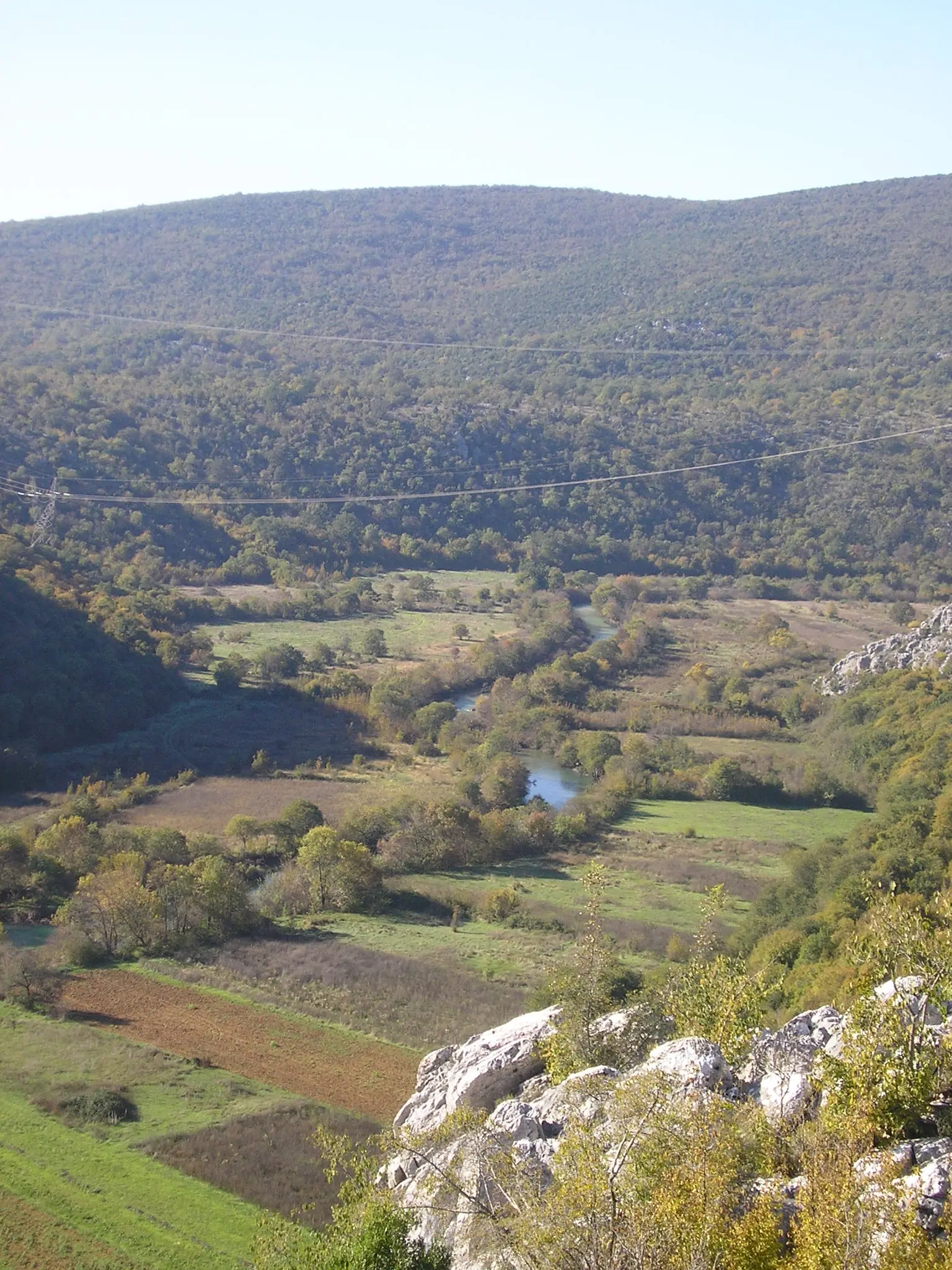
20,000 BCE – 34 BCE
Ice Age hunters, Neolithic farmers and the Illyrian peoples.
Palaeolithic engravings at Badanj, the Neolithic Butmir and Kakanj cultures, the Glasinac culture and the Illyrian peoples (Daesitiates, Ardiaei, Autariatae, Maezaei) with the Hellenistic town of Daorson.

About 5100–4500 BCE farming villages in the Bosna valley made spiral-decorated pottery and individual clay figurines, and the settlement at Butmir near Sarajevo, found in 1893, gave the culture its name.

On the plateau below Mount Romanija thousands of stone mounds cover a warrior aristocracy buried with iron weapons and imported Greek and Italic bronzes, one of the largest prehistoric burial landscapes in Europe.
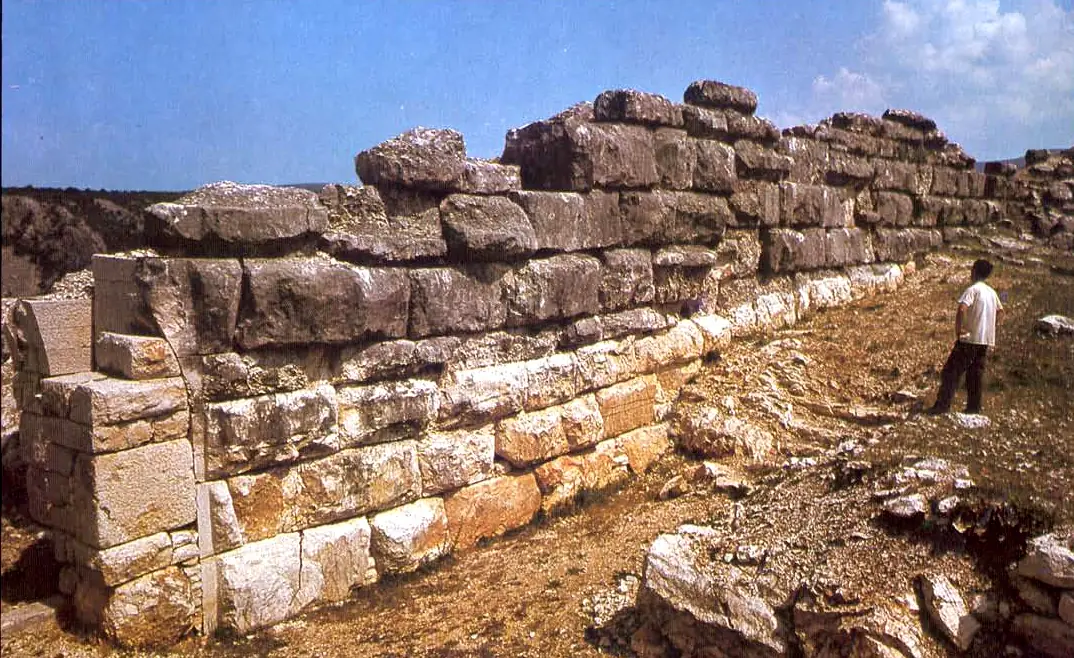
In the 4th century BCE the Daorsi of the Neretva valley raised a wall of huge fitted blocks around their capital at Ošanići above Stolac, the most important Hellenistic site in the country.

In 35–33 BCE Octavian stormed the strongholds of the Iapodes and the Delmatae, securing the coast and the hinterland and preparing the conquest of the interior.

33 BCE – 958
Roman provinces, mines and roads, and the arrival of the Slavs.
Rome conquered the region and crushed the Great Illyrian Revolt (6–9); mines, roads and villas followed, then late antique Christianity, Ostrogothic and Byzantine rule, the Avar–Slav invasions and the first mention of Bosnia (c. 958).
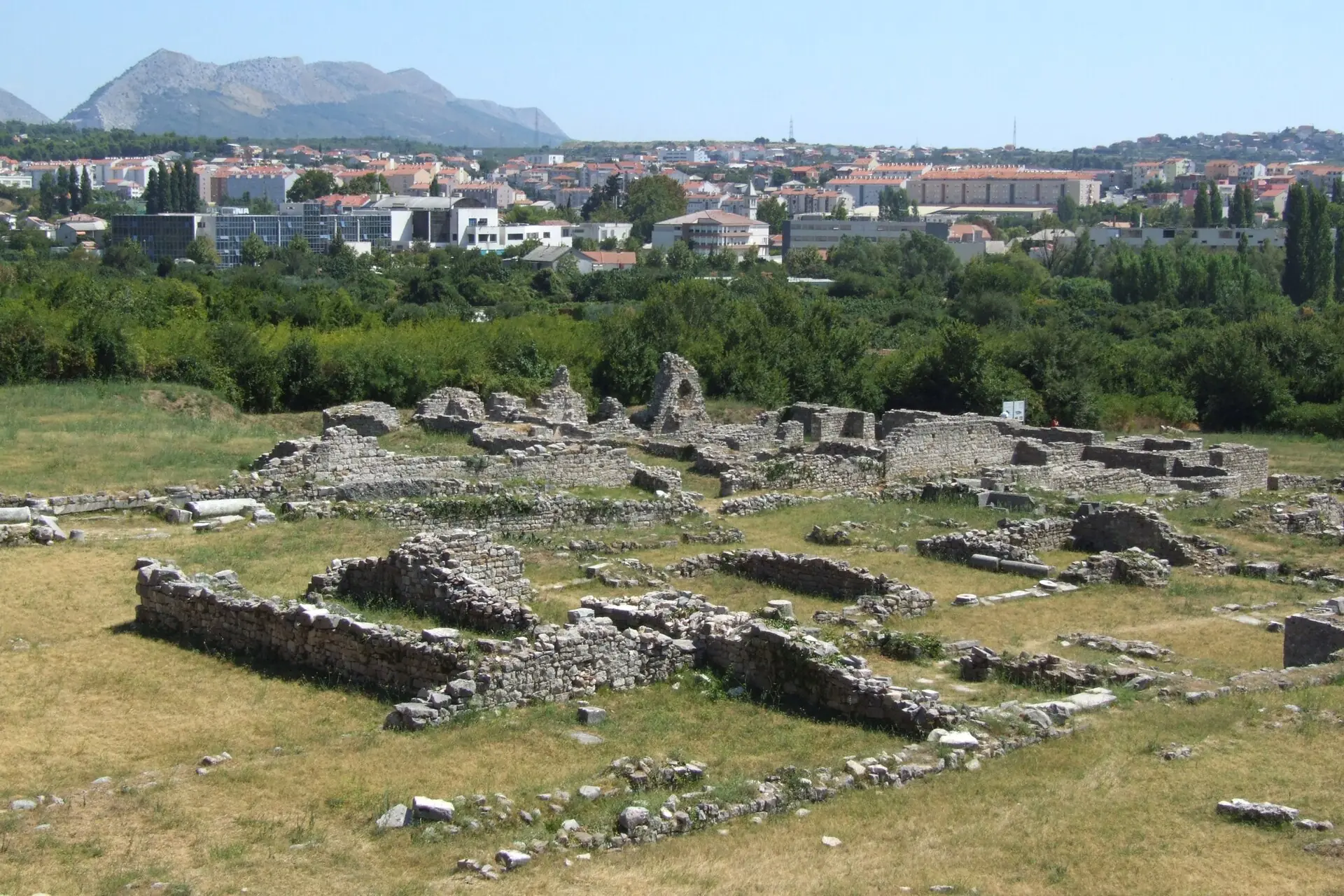
After the revolt was crushed in 9, Illyricum was divided and the Dinaric interior of Bosnia and Herzegovina became part of Dalmatia, governed from Salona, for more than six centuries.
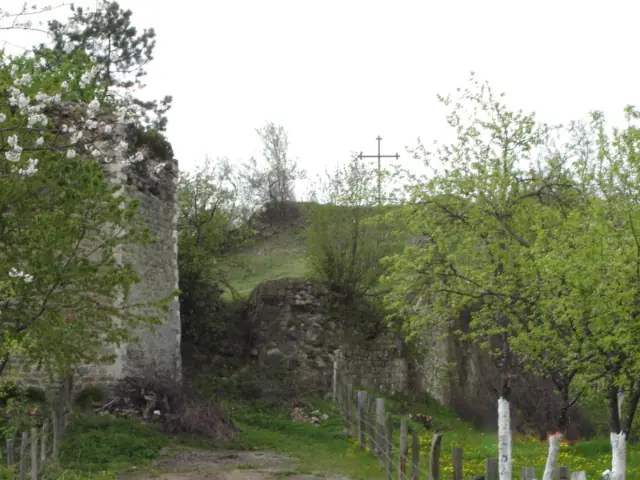
Roman officials mined silver near present-day Srebrenica and carried it on the Via Argentaria to Salona and to Sirmium, making eastern Bosnia one of the economic hearts of the province.

When Theodosius I died in 395 the line between the western and eastern empires ran along the Drina, a boundary that later became one between Latin and Greek Christianity.
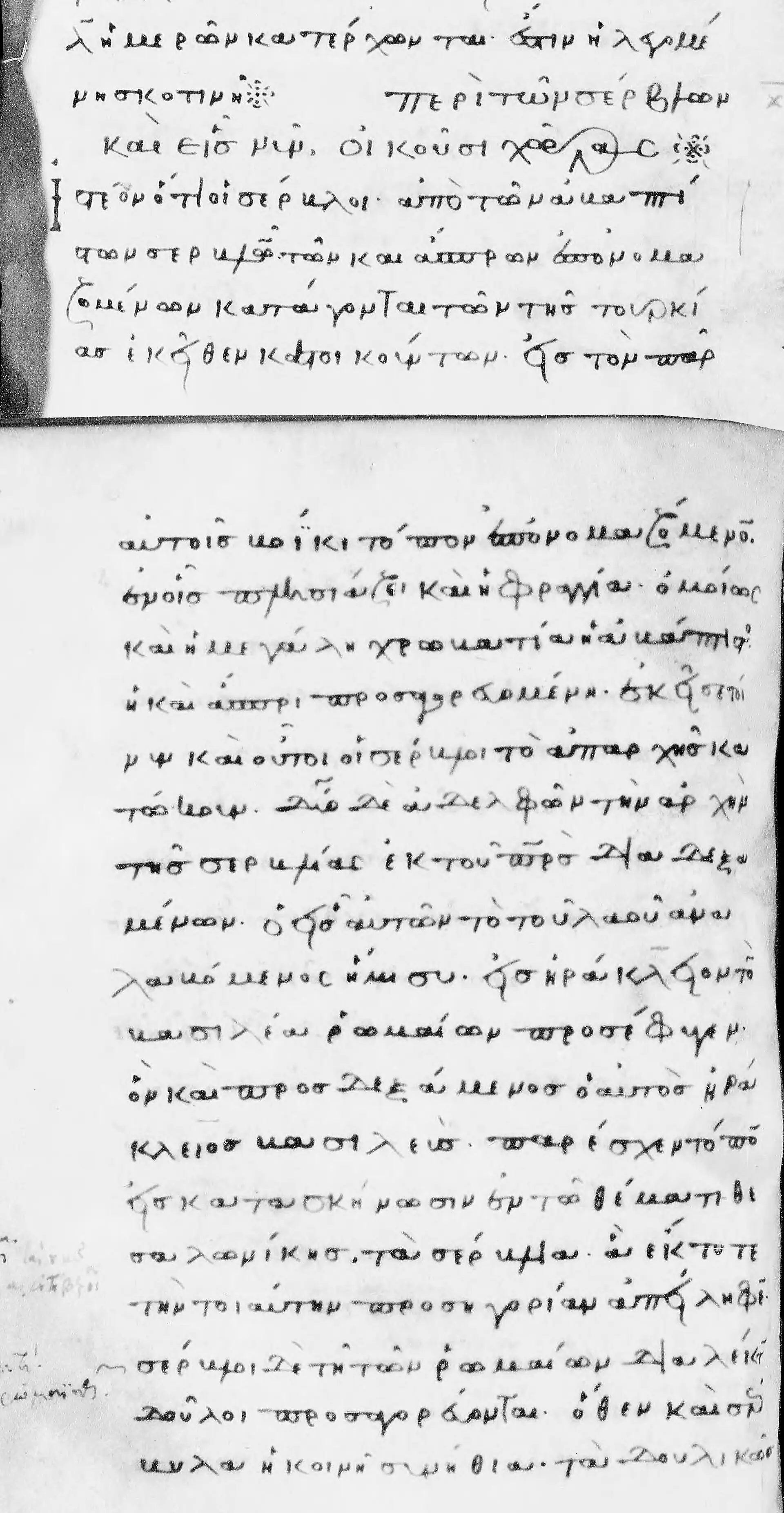
About 950 the emperor Constantine VII mentioned the small land of Bosona with its two towns, Katera and Desnik, the first appearance of Bosnia in written history.

959 – 1376
A banate between Hungary, Byzantium and Serbia, and a church of its own.
Bosnia emerged as a banate under Hungarian suzerainty: Ban Kulin's charter (1189), the Bosnian Church, the Šubić interlude and Stephen II Kotromanić's expansion to Hum.
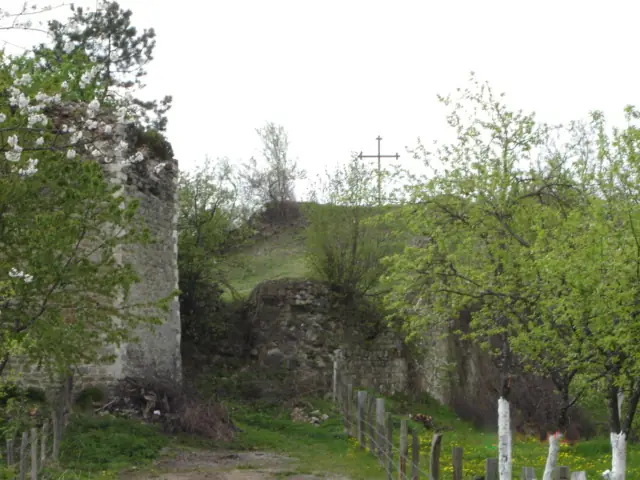
On 8 April 1203 leaders of a Bosnian religious community promised before a papal legate and Ban Kulin to reject schism and follow Rome, averting a crusade for a time.
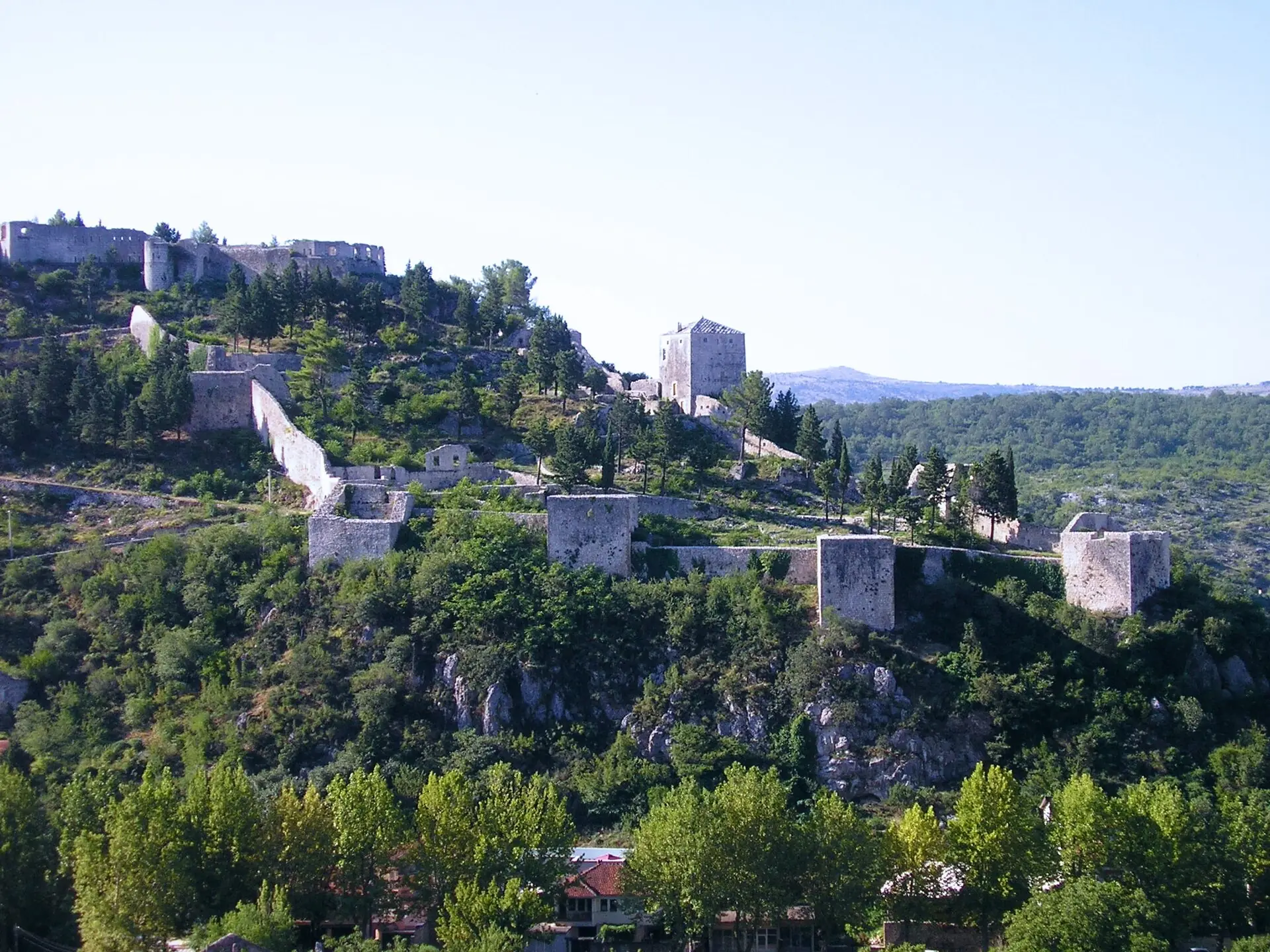
About 1326 Stephen II Kotromanić seized most of Hum, the land of the lower Neretva, giving Bosnia an outlet to the Adriatic and the region later called Herzegovina.

From the 12th century, and above all in the 14th and 15th, carved limestone tombstones were set up across Bosnia and Herzegovina, some 60,000 in the country, used by Bosnian Church members, Catholics and Orthodox alike.
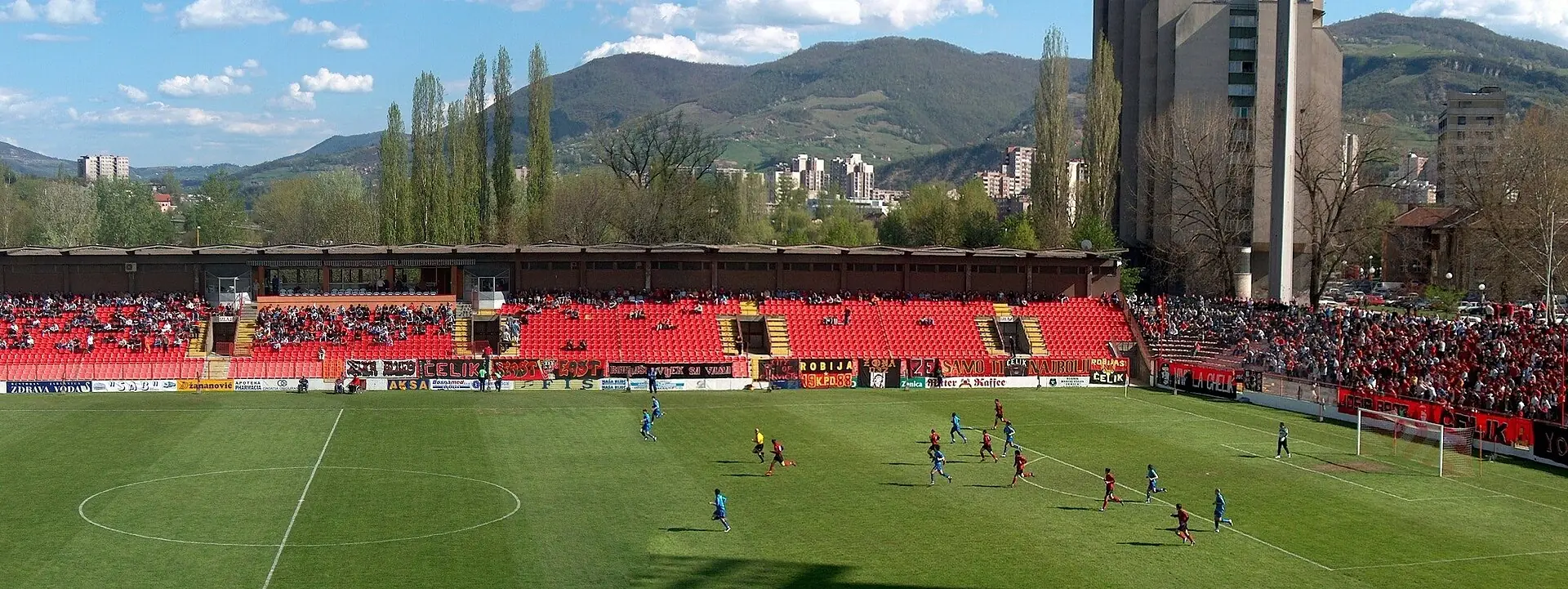
About 1352 Saxon miners invited by Stephen II worked the mines of Srebrenica under their own law, and Ragusan merchants exported the metal, making Bosnia a leading silver producer.

1377 – 1463
A short-lived kingdom, powerful magnates and the Ottoman conquest.
Tvrtko I was crowned king in 1377; magnates such as Hrvoje Vukčić and the Kosača dukes of Hum (Herzegovina) dominated until the Ottoman conquest of 1463.

On 15 June 1389 a Bosnian contingent under Vlatko Vuković fought beside Prince Lazar against Sultan Murad I, an inconclusive battle that brought the Ottoman frontier closer to Bosnia.

In 1404 the scribe Hval of the Bosnian Church completed a Cyrillic manuscript for the magnate Hrvoje Vukčić Hrvatinić, a masterpiece of medieval South Slavic book art.
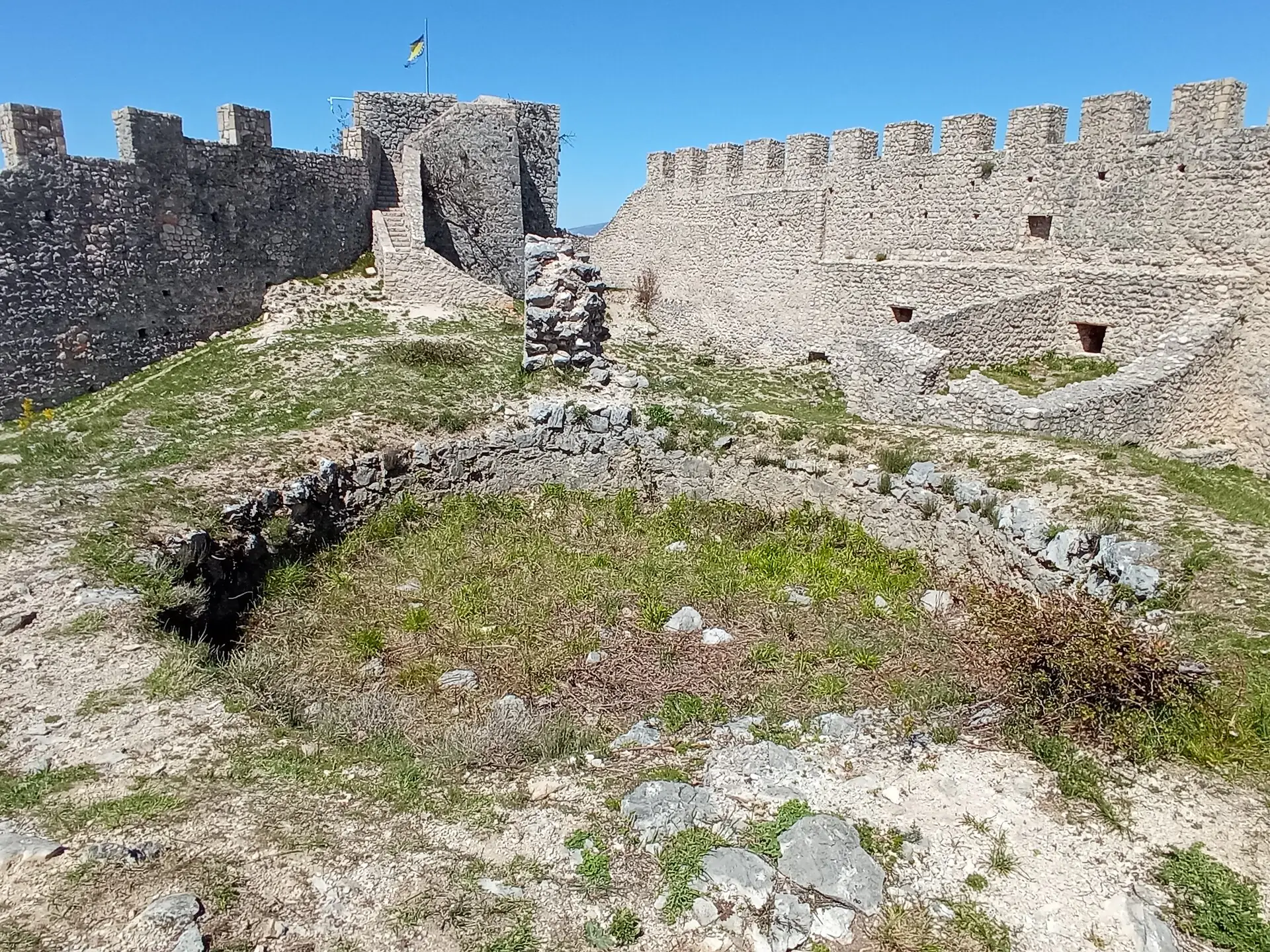
In 1448 Stjepan Vukčić Kosača took the title Herceg of Saint Sava, from which the name Herzegovina comes, and kept his duchy independent of the Ottomans until 1465–1482.
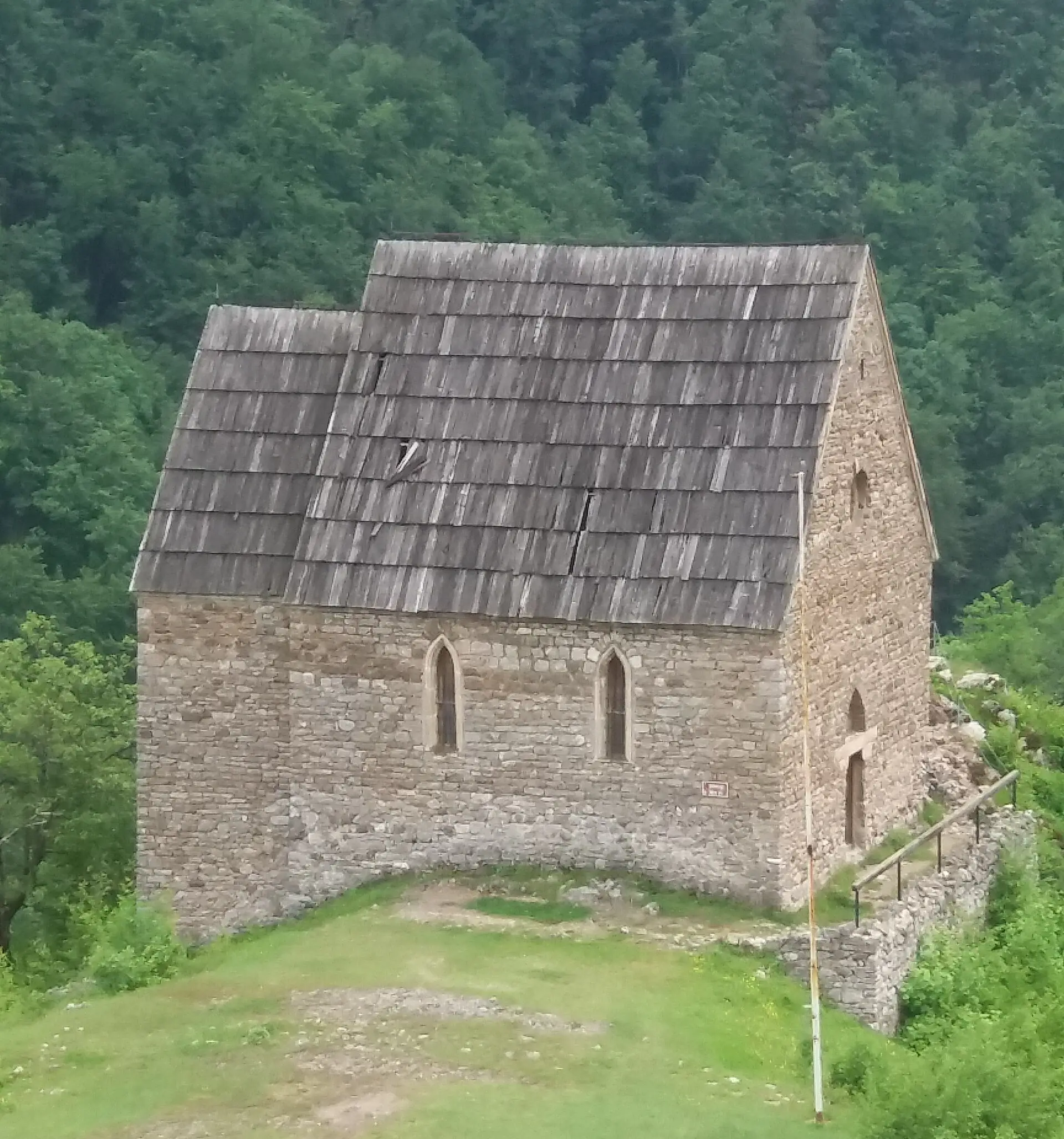
In May 1463 Mehmed II took the royal fortress of Bobovac and the kingdom collapsed within weeks, ending the medieval state of Bosnia.

1464 – 1699
The Ottoman sanjak and eyalet: new towns, new faiths and great bridges.
The Sanjak and then Eyalet of Bosnia: the founding of Sarajevo and Mostar, Islamisation, Gazi Husrev-beg's waqfs, the Višegrad bridge and Stari Most, frontier wars and Prince Eugene's raid of 1697.
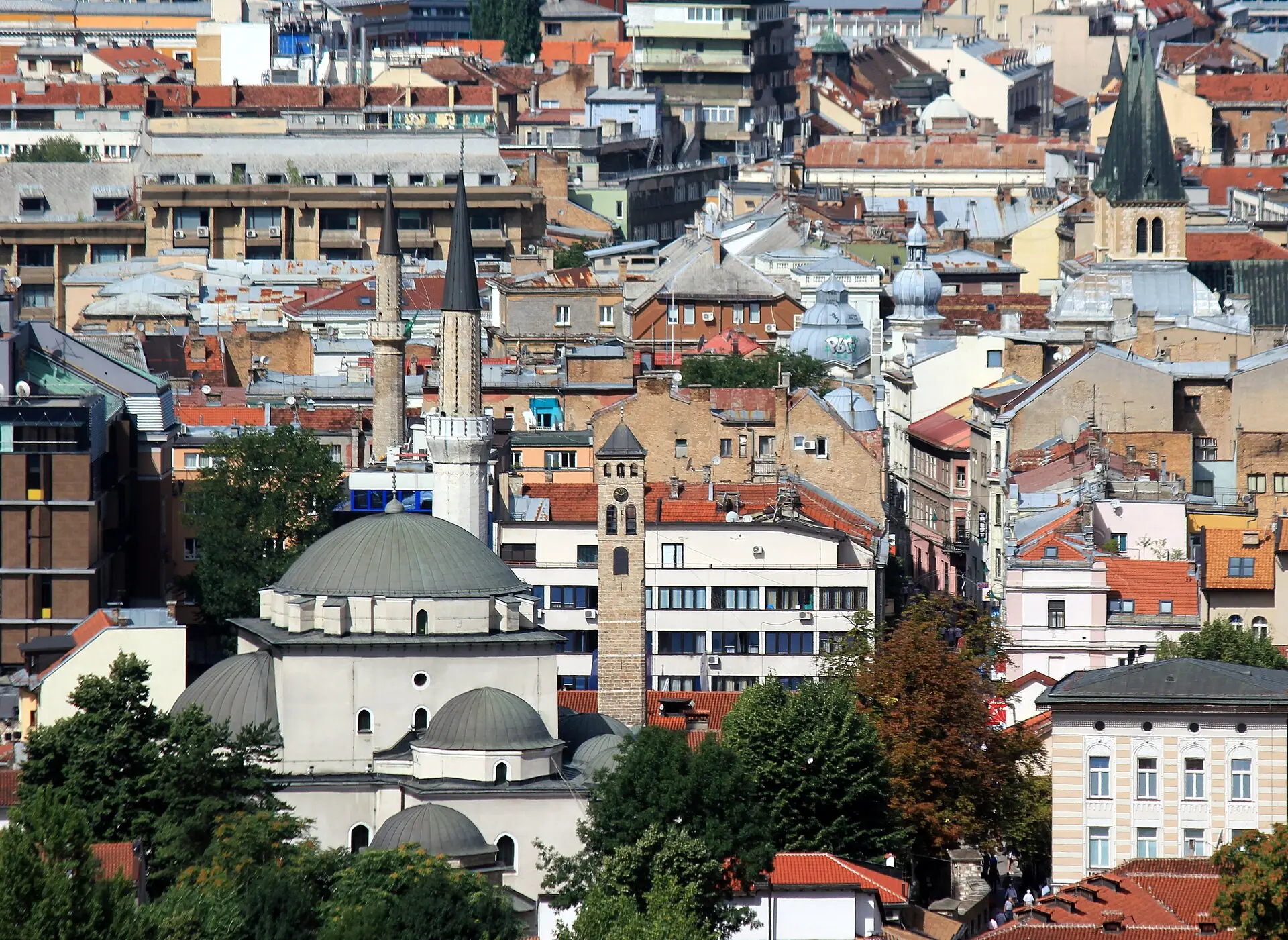
In 1531 the governor of Bosnia endowed a mosque in Sarajevo with a kitchen, a guest house and a Sufi lodge, and the mosque remains the largest historical mosque in the country.

Over the 15th–17th centuries a large part of the population converted to Islam, a gradual process whose causes are still debated and which shaped the later Bosniaks.

In 1577 Sinan's bridge of eleven arches across the Drina at Višegrad was completed for the grand vizier born nearby, and later inspired Andrić's novel.

In 1581 the beylerbey of Bosnia built a courtyard for Sarajevo's Jewish community and a synagogue, and the Sephardic community preserved Ladino for four centuries.
1700 – 1877
Captains, reformers and the crisis that ended Ottoman rule.
Travnik as the viziers' seat, Habsburg–Ottoman wars, the captaincies, Husein Gradaščević's autonomy uprising (1831–32), Omer Pasha Latas, the Tanzimat reforms and the Herzegovina uprising of 1875.

From 1763 the Sarajevo craftsman Mustafa Bašeskija recorded prices, plagues, fires and the deeds of governors and Janissaries, the best narrative source on 18th-century Sarajevo.

In 1835 the sultan abolished the hereditary captaincies that had given families such as the Gradaščević and Rizvanbegović a provincial military nobility.

In 1850–1851 an Ottoman general born in the Military Frontier broke the power of the Muslim notables and opened the way to centralised rule, conscription and the Tanzimat.

On 9 July 1875 Christian peasants in Herzegovina clashed with Ottoman troops at Nevesinje, the revolt that spread to Bosnia and reopened the Eastern Question.
1878 – 1918
Occupation, modernisation and the shot that began a world war.
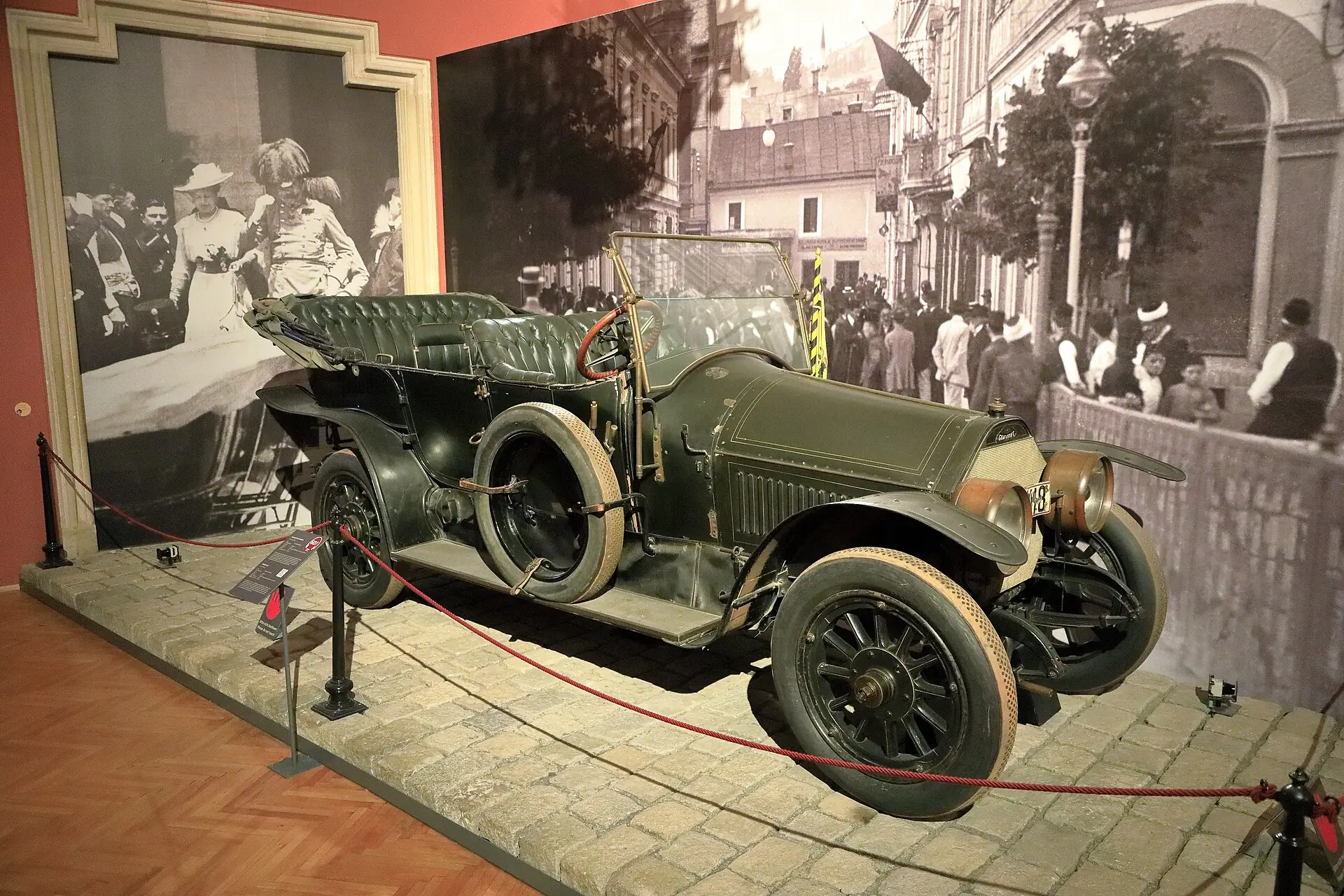
Occupied by Austria-Hungary in 1878 and annexed in 1908, Bosnia was modernised under Kállay; the Sarajevo assassination of 28 June 1914 triggered the First World War.

In July 1878 the powers allowed Austria-Hungary to occupy and administer Bosnia and Herzegovina while it remained under Ottoman sovereignty, and the troops met armed resistance for almost three months.

From 1882 to 1903 the joint finance minister Béni Kállay built railways, mines, schools and a bureaucracy and promoted a supra-confessional Bosnian identity that found little support.
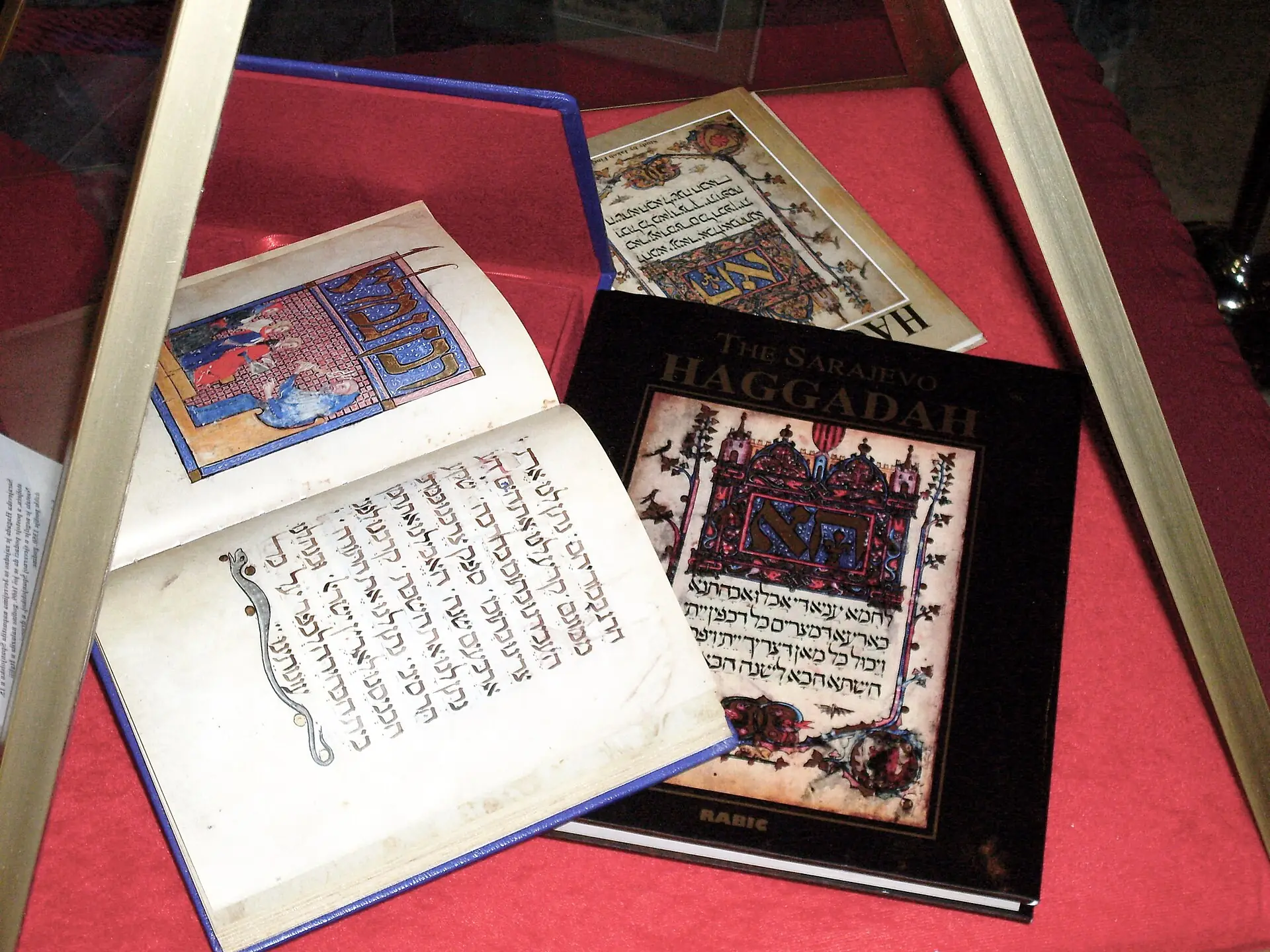
In 1894 the National Museum bought the illuminated Sephardic Haggadah of about 1350, which later became a symbol of the city's shared heritage.

On 6 October 1908 Austria-Hungary annexed the provinces, provoking the Bosnian Crisis with Serbia and Russia and deepening the antagonism that led to 1914.
Population: Linear interpolation between 1910 (Census 1910: 1,898,044 (Wikipedia, Demographic history of Bosnia and Herzegovina)) and 1921 (Census 1921: 1,890,440 (Wikipedia, Demographic history of Bosnia and Herzegovina)).

1918 – 1940
Bosnia in a centralised kingdom of the South Slavs.
Bosnia joined the Kingdom of Serbs, Croats and Slovenes; agrarian reform, Spaho's Yugoslav Muslim Organization and the division into banovinas (1929) and the Banovina of Croatia (1939).

The Yugoslav Muslim Organization, founded in Sarajevo in 1919, won most Muslim votes in every free interwar election and defended the unity of Bosnia.
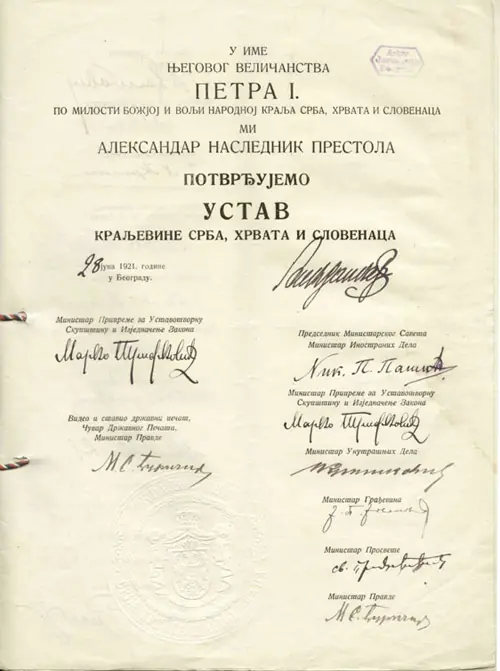
In return for its votes for the Vidovdan Constitution of 1921 the Muslim party obtained Article 135, which kept Bosnia and Herzegovina within its historical borders.

In 1929 King Alexander divided the kingdom into banovinas named after rivers, and Bosnia and Herzegovina was split between four of them.

The agreement of 26 August 1939 created a Banovina of Croatia that included Croat-majority districts of Bosnia and Herzegovina, and provoked Muslim and Serb protests.
Population: Linear interpolation between 1931 (Census 1931: 2,323,555 (Wikipedia, Demographic history of Bosnia and Herzegovina)) and 1948 (Census 1948: 2,565,277 (Wikipedia, Demographic history of Bosnia and Herzegovina)).

1941 – 1945
An Axis puppet state, genocide, civil war and the Partisan republic.
Bosnia within the Ustaše-led Independent State of Croatia: genocide against Serbs, the Holocaust, Chetnik massacres of Muslims, and the Partisan war of Kozara, the Neretva, the Sutjeska and Jajce.

From 1941 the Ustaše carried out massacres and deportations of Serbs across Bosnia and Herzegovina, killings that drove many Serbs into the Chetnik and Partisan movements.

In January–March 1943 Chetnik forces killed some 10,000 people in the Muslim villages of eastern Bosnia and the Sandžak, a crime researched in detail only from the 1990s.

In early 1943 Tito brought the Partisan wounded across the wrecked bridge at Jablanica and broke out of Operation Weiss, saving the core of the army.
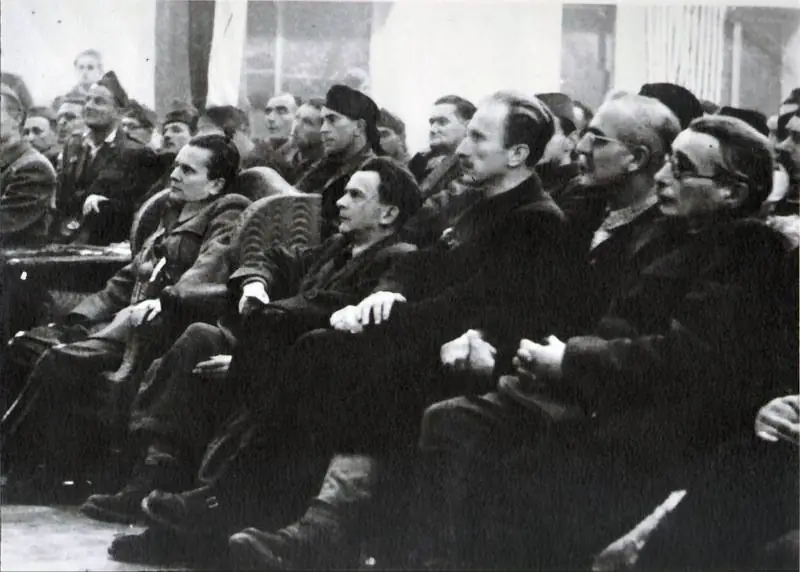
On 29–30 November 1943 AVNOJ met in Jajce and decided that Yugoslavia would be a federation of equal nations, the founding act of socialist Yugoslavia.
Population: Linear interpolation between 1931 (Census 1931: 2,323,555 (Wikipedia, Demographic history of Bosnia and Herzegovina)) and 1948 (Census 1948: 2,565,277 (Wikipedia, Demographic history of Bosnia and Herzegovina)).
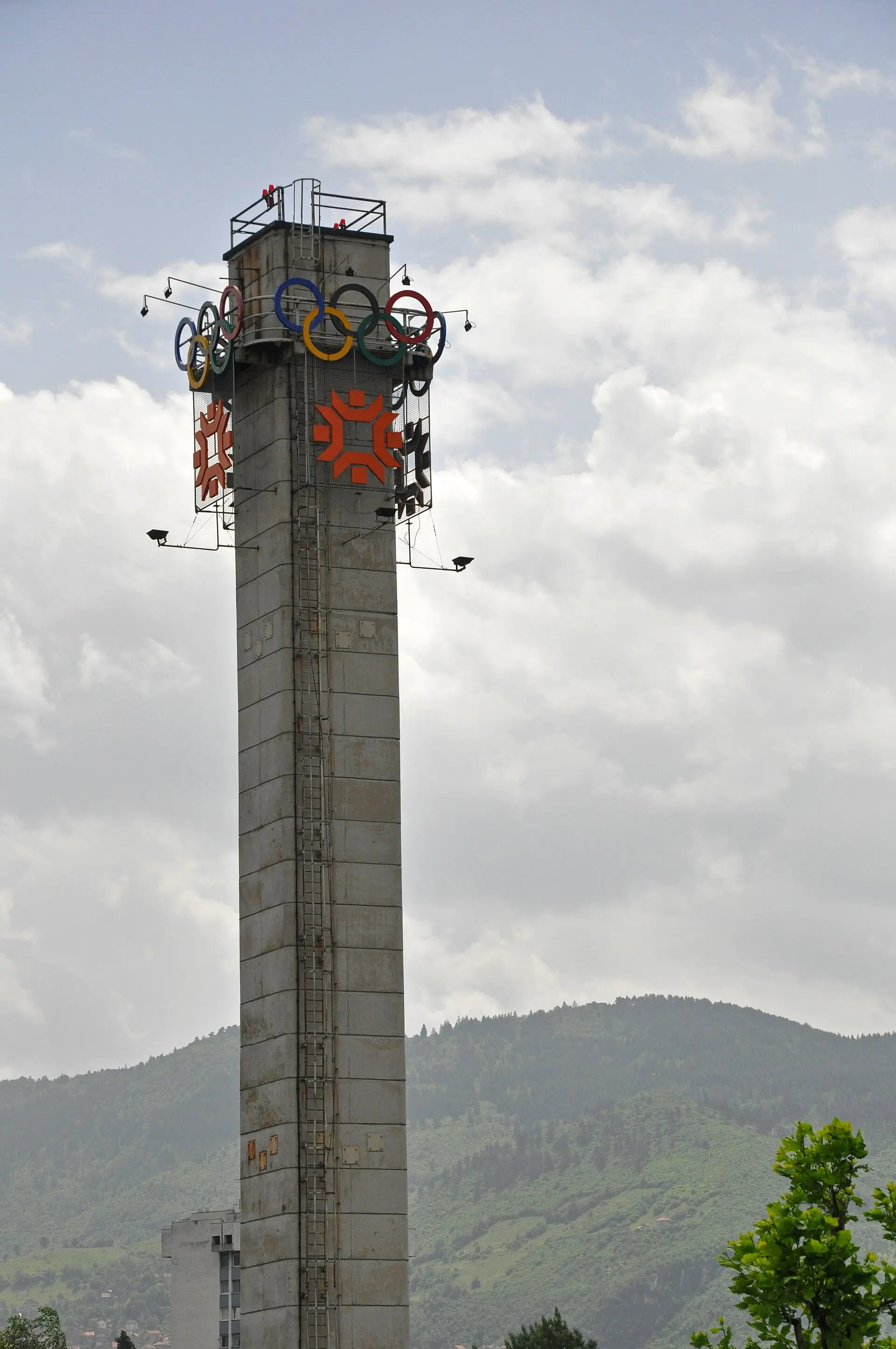
1946 – 1991
A republic of Tito's Yugoslavia, from steel mills to the Winter Olympics.
The Socialist Republic of Bosnia and Herzegovina within Tito's Yugoslavia: industrialisation, recognition of Muslims as a nation, the 1984 Sarajevo Olympics and the crisis of the late 1980s.

After 1947 the republic was chosen for heavy and defence industry, and the steelworks at Zenica became the largest producer of iron and steel in Yugoslavia.

In 1961 Ivo Andrić, author of The Bridge on the Drina, won the Nobel Prize in Literature for the epic force of his novels on the history of Bosnia.
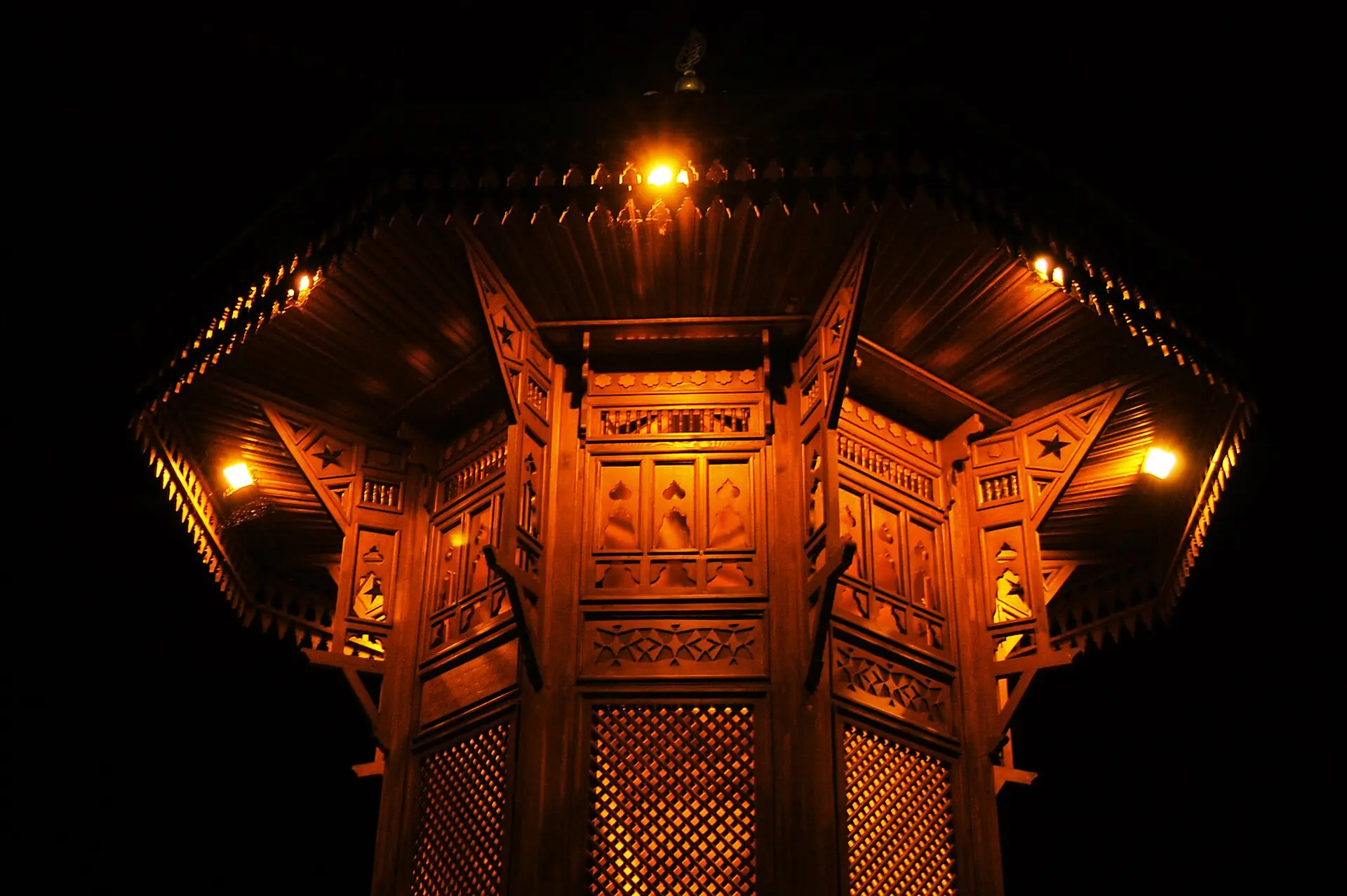
In 1968 the Bosnian communist leadership declared Muslims a distinct nation, and in the 1971 census they were the largest group, at 39.6 per cent.

On 18 November 1990 the first multiparty elections in half a century gave most seats to the three national parties, the SDA, SDS and HDZ BiH.
Population: Census 1991: 4,377,033 (Wikipedia, Demographic history of Bosnia and Herzegovina).

1992 – present
Independence, the Bosnian War and the Dayton state on its path to the EU.
Independence in 1992, the Bosnian War, the siege of Sarajevo and the Srebrenica genocide, the Dayton Agreement of 1995 and the post-war state of two entities and Brčko District on its EU path.

From 5 April 1992 the capital was encircled for 1,425 days and bombarded from the hills, a siege that formally ended only in February 1996, after Dayton.

In July 1995 the Army of Republika Srpska took the UN safe area and killed more than 8,000 Bosniak men and boys, a genocide as ruled by the ICTY and the ICJ.

On 14 December 1995 Izetbegović, Tuđman and Milošević signed the peace agreement in Paris, with a constitution of two entities and three constituent peoples.
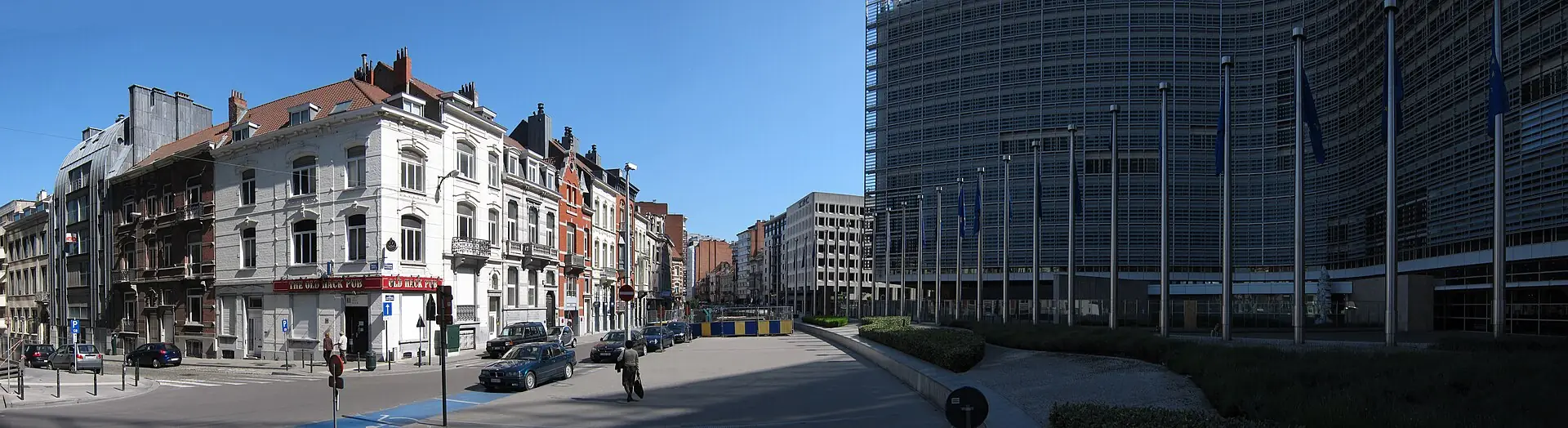
On 15 December 2022 the European Council granted Bosnia and Herzegovina candidate status, and in March 2024 it agreed to open accession negotiations once conditions are met.
Population: Linear interpolation between 2013 (Census 2013: 3,531,159 (Wikipedia, Demographic history of Bosnia and Herzegovina)) and 2025 (Estimate 2025: 3,269,516 (Wikipedia, Demographics of Bosnia and Herzegovina)).
Bans, Kings, Sultans, Empires and Dayton – Prehistory to Today
From the Butmir farmers and the Illyrians to Roman Dalmatia, the medieval Banate and Kingdom of Bosnia and the dukes of Herzegovina, four centuries of Ottoman rule, Austria-Hungary and the Sarajevo assassination, Yugoslavia, the Second World War, socialist Bosnia, the war of 1992–95 and the Dayton state.
If the page stays blank, the site doesn't allow embedding — use “Open in new tab”.
From the stone bridge of Mostar and the bazaar of Sarajevo to the stećci of Herzegovina and the mountains above the Neretva and the Drina, the history of Bosnia and Herzegovina has left the world the heritage of a medieval kingdom and its Bosnian Church, an Ottoman town culture of mosques, waqfs and bridges, the presence of Muslims, Orthodox Christians, Catholics and Jews in one city, the literature of Andrić and Selimović, the memory of the Second World War and of the Bosnian War, with the siege of Sarajevo and the genocide of Srebrenica, and a state built at Dayton and still seeking its way to the European Union, between Sarajevo, Zagreb, Belgrade, Istanbul, Vienna and Brussels.
The Old Bridge Area of the Old City of Mostar was inscribed on the UNESCO World Heritage List in 2005, after the single arch of Stari Most, completed in 1566 by Mimar Hayruddin, was destroyed in November 1993 and rebuilt in 2004 with local stone and Ottoman techniques. The Mehmed Paša Sokolović Bridge at Višegrad, built to the design of Mimar Sinan and completed in 1577, was inscribed in 2007, and in 2016 UNESCO inscribed 22 sites in Bosnia and Herzegovina, among 28 in four countries, as the Stećci Medieval Tombstone Graveyards; some 60,000 of the roughly 70,000 known stećci lie in the country. Sarajevo keeps the Baščaršija quarter and the Gazi Husrev-beg Mosque of 1531, the largest historical mosque in the country, the Austro-Hungarian Vijećnica, burned in 1992 and reopened in 2014, the Old Orthodox Church of 1539 and the Old Temple of the Sephardic Jews of 1581. Jajce, the old royal town, keeps its citadel and the hall where AVNOJ met in 1943, Daorson above Stolac and the rock shelter of Badanj are National Monuments within the Stolac ensemble on the UNESCO Tentative List, and Mogorjelo near Čapljina is the best-preserved Roman villa in the country.
The Humac Tablet, the Charter of Ban Kulin of 1189 and the inscriptions on the stećci show a local Cyrillic, bosančica, used by Catholics, Orthodox and the Bosnian Church alike, and Hval's Codex of 1404 is a masterpiece of its book art. Matija Divković printed his Christian Doctrine in Venice in 1611, Bosnian Muslims wrote their vernacular in Arabic script in the Alhamijado literature, with Uskufi's Bosnian–Turkish dictionary of 1631, and Mustafa Bašeskija recorded Sarajevo in Ottoman Turkish and in verse. In the Austro-Hungarian period the magazines Nada and Zora, Petar Kočić and Safvet-beg Bašagić brought modern literature. Ivo Andrić, born near Travnik, published The Bridge on the Drina in 1945 and won the Nobel Prize in Literature in 1961, and Meša Selimović's Death and the Dervish of 1966 is regarded as one of the great novels of the region. The language, called Bosnian, Croatian or Serbian by its speakers, is shared by the three constituent peoples, and its names, like the legacy of Andrić himself, remain a matter of identity as much as of linguistics.
Christianity came to Dalmatia in Roman times, and in the Middle Ages Bosnia developed its own Bosnian Church, led by a djed and accused of heresy by Rome and Hungary, which declined after the persecution of 1459 and the Ottoman conquest. The Franciscans, who came in 1340 and were protected by Mehmed II's ahdnama of 1463, kept Catholicism alive, the Orthodox Church was served by the restored Patriarchate of Peć from 1557 until its abolition in 1766, and Islam, brought by the Ottomans and adopted gradually over the 15th–17th centuries, became the majority faith. Sephardic Jews arrived in the 16th century, and in Sarajevo a mosque, a Catholic cathedral, an Orthodox church and a synagogue stand within a few streets of one another. Under Austria-Hungary the Archdiocese of Vrhbosna was founded in 1881 and the first reis-ul-ulema was appointed in 1882, and Medjugorje, where six young people reported visions of the Virgin Mary in 1981, has become one of the largest Catholic pilgrimage sites in Europe. The destruction of mosques, churches and libraries in 1992–1995 and their reconstruction since are part of the story of faith in the country.
Bosnia and Herzegovina has always been a land of several communities. The Dayton constitution names Bosniaks, Serbs and Croats as constituent peoples, alongside Jews, Roma and other citizens, and until 1993 the Bosniaks were officially called Muslims, a name under which Yugoslavia recognised them as a nation in 1968; in the census of 1971 they were 39.6 per cent of the population, the Serbs 37.2 per cent and the Croats 20.6 per cent. The Ustaše genocide against Serbs, the Chetnik massacres of Muslims and the war of 1992–1995 cut deep into these communities, and the population of 4,377,033 counted in 1991 fell to 3,531,159 in the census of 2013 and to an estimate of about 3.27 million in 2025, through death, expulsion, emigration and low birth rates. Muslim emigrants to the Ottoman Empire after 1878, Orthodox and Catholic refugees across the Sava in the 1870s, labour emigrants to Western Europe from the 1960s and the refugees of the 1990s created a large diaspora. In Sejdić and Finci v. Bosnia of 2009 the European Court of Human Rights found that citizens outside the three peoples could not stand for the Presidency, a judgment that has still not been implemented.
The Second World War is remembered differently by Serbs, Muslims, Croats and Jews. The Ustaše camp complex of Jasenovac included Donja Gradina on the Bosnian bank of the Sava, the Mrakovica monument on Kozara recalls the battle of 1942, the ruined bridge at Jablanica commemorates the battle of the Neretva, and the Sarajevo librarian Derviš Korkut, honoured as Righteous Among the Nations, hid the Sarajevo Haggadah from the Germans. The war of 1992–1995, in which about 100,000 people were killed according to the demographic studies of the Research and Documentation Center, is commemorated at the Srebrenica Memorial in Potočari, where more than 6,000 identified victims lie and 11 July is a day of remembrance, at the Markale market and on the hills around Sarajevo, at Prijedor, Višegrad, Foča and Ahmići, and at the rebuilt Stari Most. The ICTY found genocide at Srebrenica in the Krstić case of 2001, confirmed on appeal in 2004, and convicted Radovan Karadžić in 2016 and Ratko Mladić in 2017 of genocide; the International Court of Justice found in 2007 that genocide was committed at Srebrenica and that Serbia had failed to prevent and punish it, and in 2021 the High Representative imposed a ban on genocide denial. Denial, convictions and the disputes over memorials remain part of politics today.
Sarajevo was one of the liveliest centres of Yugoslav popular culture: the sevdalinka, the rock of Bijelo Dugme, formed in 1974 by Goran Bregović, the New Primitivism of the 1980s and the films of Emir Kusturica, whose When Father Was Away on Business won the Palme d'Or at Cannes in 1985, were followed by the Sarajevo Film Festival, founded in 1995 under siege, and by Danis Tanović's No Man's Land, which won the Academy Award for Best Foreign Language Film in 2002, the first Oscar for Bosnia and Herzegovina. The Winter Olympics of 8–19 February 1984, with the wolf mascot Vučko and Jure Franko's silver medal in the giant slalom, Yugoslavia's first Winter Olympic medal, were held on Bjelašnica, Jahorina, Igman and Trebević, and the ruined bobsleigh track on Trebević became an emblem of the siege. FK Željezničar was founded in 1921, football is the most popular sport, and the national team, with Edin Džeko, qualified for the World Cup in 2014 and again in 2026, when it beat Italy on penalties in the play-off final at Zenica and then reached the knockout stage for the first time. The team is one of the few institutions supported across much of the country.
Medieval Bosnia, the banate and the kingdom of Tvrtko I, with the Kotromanić dynasty, gave the country a state tradition that survived under the Ottomans in the name and borders of the province, fixed along the Sava and Una by the Treaty of Karlowitz of 1699. The declaration of 3 March 1992 made Bosnia and Herzegovina a sovereign state for the first time since 1463, and 1 March, the day the referendum ended, is Independence Day in the Federation but is not kept in Republika Srpska, which marks 9 January, the day of its proclamation in 1992. The Dayton constitution of 1995, Annex 4 of the peace agreement, recognises Bosniaks, Serbs and Croats as constituent peoples, divides the state into the Federation of Bosnia and Herzegovina and Republika Srpska, with the Brčko District under the state, and provides for a three-member Presidency whose chair rotates every eight months. The present state flag was imposed by the High Representative in 1998, and the state has few symbols that all its citizens share. Statehood Day on 25 November commemorates the first session of ZAVNOBiH in 1943, and the Bonn powers of the High Representative, used again in the crises of 2021–2025, remain a point of dispute.
Bosnia and Herzegovina lies where Rome and Constantinople, Vienna and Istanbul met: the Roman empire was divided along the Drina in 395, the Great Schism of 1054 placed the Catholic and Orthodox churches on its two sides, the Ottomans ruled for over four centuries and Austria-Hungary for forty years, and each shaped its towns, laws and faiths. Its history is shared with its neighbours: Croatian historians see the Croats of Herzegovina and central Bosnia, Serbian ones the Serbs of the Krajina and the Drina and the Kosovo tradition, and Bosniak ones the continuity of the Bosnian state from Kulin and Tvrtko to the Republic. Since Dayton the country has been supervised by the Office of the High Representative and, from 2004, by EUFOR Althea; it applied for EU membership in 2016, became a candidate on 15 December 2022, and in March 2024 the European Council agreed to open accession negotiations, conditional on reforms that are still pending. The convertible mark has circulated since 1998, the Brčko District is regarded as a success of the reconstruction, and floods in 2014 and 2024, protests, emigration and an ageing population shape its politics, as the general election of October 2026 showed.
The timeline is built from the project's own research dossier and its event, ruler, head-of-government and map datasets, checked against English Wikipedia, Encyclopaedia Britannica, UNESCO, the International Residual Mechanism for Criminal Tribunals (ICTY archives), the International Court of Justice, the Srebrenica Memorial, the Office of the High Representative, the Central Election Commission, the Agency for Statistics of Bosnia and Herzegovina and other references. Linked articles are starting points for verification, not proof that every claim has been independently checked. Prehistoric dates are archaeological estimates, such as the Badanj engravings of c. 14,000–12,000 BCE; the early banate, the first bans and the place and date of Tvrtko I's coronation in 1377 rest on few sources and are marked circa or disputed, the execution of the last king is dated 25 May 1463 following Wikipedia although other sources give late May or June, and the Islamisation of Bosnia was gradual and its causes are debated. Estimates of the numbers killed in the Second World War are given as ranges with their sources. For the Bosnian War the figure of about 100,000 dead follows the demographic studies of the Research and Documentation Center and the ICTY, and the Srebrenica massacre is described as genocide, following the ICTY (Krstić) and the ICJ (2007) judgments. From 1996 the head of state is the rotating Chairman of the three-member Presidency, each chairmanship being a separate entry, and the Ottoman governors follow Wikipedia with year-level dates before 1785. Population figures are census counts from 1879 to 2013 with an estimate for 2025. The most recent events, from 2024 to 2026, were checked in October 2026 against Wikipedia and news reports and may be revised, and the results of the general election of October 2026 were preliminary; the shading of municipalities on the map is indicative and uses modern municipal borders for historical regions.
Every event and every ruler has its own sources. See Sources & Further Reading in each timeline entry and ruler profile.
History is connected. Explore the bigger picture.
AllHistories is an independent visual history project designed to make the past easier to understand, explore, and connect.
History is more than a collection of dates, rulers, and battles. Events rarely happen in isolation. Borders shift, civilizations influence one another, ideas spread, and decisions made centuries ago continue to shape the world today.
Through interactive timelines, historical maps, and visual storytelling, AllHistories helps uncover these connections and makes complex historical subjects more accessible and engaging.
Travel through centuries, discover turning points, and understand how historical events unfold and connect.
Explore how borders, civilizations, populations, trade routes, beliefs, and spheres of influence have changed over time.
Go beyond dates and discover the individuals, places, decisions, and circumstances behind historical developments.
Explore connections between countries, empires, civilizations, and historical themes to better understand cause and consequence.
Features vary depending on the historical subject.
AllHistories draws on historical research, published references, public archives, and available historical datasets. The information is organized and presented through interactive digital experiences.
History is not always certain or universally agreed upon. Dates, territorial boundaries, population figures, and interpretations may differ between sources. Some information is necessarily simplified or estimated for visual presentation.
The goal is to encourage curiosity and independent exploration, not to replace academic publications or specialist historical research.
When you visit AllHistories, the web server may process technical information such as your IP address, requested pages, browser details and access times to deliver pages and maintain the service.
Some pages load Google Analytics, Google Fonts, externally hosted images, maps or other third-party resources. Requests to these providers can transmit technical information, including your IP address. Contact forms may use Google reCAPTCHA to help prevent abuse. These providers apply their own privacy policies.
The website uses browser storage for preferences such as the selected theme. Country microsites also use a session cookie to support website functionality, including request protection. Analytics or other third-party services may use additional cookies or storage, depending on the page and your browser settings.
When you submit a correction or contact form, the information you provide, such as your name, email address and message, is processed to review and respond to your request. Please avoid including sensitive personal information.
You can manage cookies and site storage in your browser and control third-party requests through browser privacy settings. For privacy questions or requests concerning information you submitted, use the contact option on the microsite where you sent it.
Links to sources and other websites take you to services with their own privacy practices. Review their policies before providing personal information.
AllHistories provides historical information for general education and exploration. Its content is not professional, legal, financial or other specialist advice.
We aim to present useful, well-sourced summaries, but cannot guarantee that every date, statement, translation or interpretation is complete or accurate. Verify important claims against the cited sources and relevant scholarship. Content may be corrected or updated.
Maps are simplified historical illustrations. Borders, place names and territorial labels may vary by period and source. Their appearance does not express a position on sovereignty or present-day territorial disputes.
Images and source material may belong to their respective creators or rights holders. Consult the image credit, source page and license before reusing material. A link or credit does not grant additional reuse rights.
External links are provided for reference. AllHistories does not control the content, availability or policies of third-party websites.
To report an error or a concern about credited material, use the contact option on the relevant country microsite and identify the page, material and supporting details.