Key facts of the era
Key Events
Journey through the events, people, wars and ideas that shaped Finland, from the first settlers after the Ice Age to the present day.
Follow the Finnic tribes and the crusades, six centuries in the Swedish realm, the castles of Turku and Häme, Agricola's written Finnish, the Great Wrath, the autonomous Grand Duchy and the Kalevala, independence and the Civil War, the Winter War and the Continuation War, the Cold War years and Finland in the European Union and NATO.
Meet the kings, regents, grand dukes and presidents who ruled Finland, and the chairmen of the Senate and prime ministers who governed it.
From the kings, queens and regents of Sweden who ruled Finland for six centuries, through the Russian emperors who reigned as Grand Dukes of Finland and the regents of 1918–1919, to the presidents of the Republic of Finland, with the chairmen of the Senate and prime ministers who governed it.
A Journey Through the Ages
Finland, between the Gulf of Bothnia and the Russian forests, was settled by hunters as soon as the ice retreated; the oldest known site, at Ristola in Lahti, dates from about 8900 BCE. Its Finnic-speaking peoples, the Finns proper, the Tavastians and the Karelians, and the Sámi of the north lived by hunting, fishing, farming and the fur trade between Scandinavia and Russia.
From the twelfth century Catholic Sweden and Orthodox Novgorod competed for the land. For six centuries Finland was part of the Swedish realm, sharing its law, its Lutheran church and its wars with Russia, which twice occupied the country and in 1809 conquered it.
As an autonomous Grand Duchy under the Russian emperors Finland built its own state, its national culture around the Kalevala and the Finnish language, and in 1906 the first parliament in Europe elected by women and men alike. Independence came in December 1917, followed by a bitter civil war, and in 1939–1944 Finland fought the Soviet Union twice and kept its freedom at the cost of Karelia.
The Cold War republic of Paasikivi and Kekkonen became a Nordic welfare state, joined the European Union in 1995 and, after Russia's invasion of Ukraine, NATO in 2023. Explore the ten ages below through selected events from the timeline.

8,900 BCE – 1149
Hunters, fishers and the Finnic tribes.
Hunters followed the retreating ice into Finland: the oldest known settlement, at Ristola in Lahti, dates from about 8900 BCE, and the Antrea Net from about 8300 BCE is one of the oldest fishing nets ever found. The Suomusjärvi, Comb Ceramic and Corded Ware cultures followed, leaving rock paintings at Astuvansalmi, the Giant's Churches of Ostrobothnia and the pile dwellings of Kierikki. Bronze reached Finland about 1700 BCE and iron about 500 BCE; the coastal cairns of Sammallahdenmäki date from the Bronze Age. By the Viking Age the Finns proper, the Tavastians and the Karelians had emerged as distinct groups, trading furs with Scandinavians, Balts and the Rus' and building hillforts against raiders.

Hunters camped at Ristola in Lahti about 8900 BCE, on the shore of the Ancylus Lake.

A willow-bark net with pine-bark floats, about 10,000 years old, found in Karelia in 1913.

More than thirty granite burial cairns crown the hill of Sammallahdenmäki near Rauma.

By the Viking Age the Finns proper, the Tavastians and the Karelians had emerged as distinct groups.

1150 – 1522
Cross, castle and the Swedish crown.
Christianity reached Finland from both West and East. Tradition tells of a crusade by King Eric and Bishop Henry about 1155; written sources show Swedish rule in the south-west by the 1240s, the Second Crusade to Tavastia and the Third to Karelia, where Vyborg Castle was founded in 1293. The Treaty of Nöteborg (1323) drew the first border between Catholic Sweden and Orthodox Novgorod. Finland became an integral part of the Swedish realm, with Swedish law, the bishops of Turku, the castles of Turku, Häme, Vyborg and Olavinlinna, and from 1362 a voice in royal elections. Under the Kalmar Union it was drawn into the struggles between union kings and Swedish regents, and into new wars with Moscow.

Legend says the English-born bishop was killed on the ice of Lake Köyliö by the peasant Lalli.

Häme, Turku and Vyborg castles anchored Swedish rule over Tavastia, the south-west and Karelia.

In 1323 Sweden and Novgorod divided Karelia at Nöteborg, on an island in the Neva.

Erik Axelsson Tott built St Olaf's Castle on a rocky islet to guard the eastern frontier.
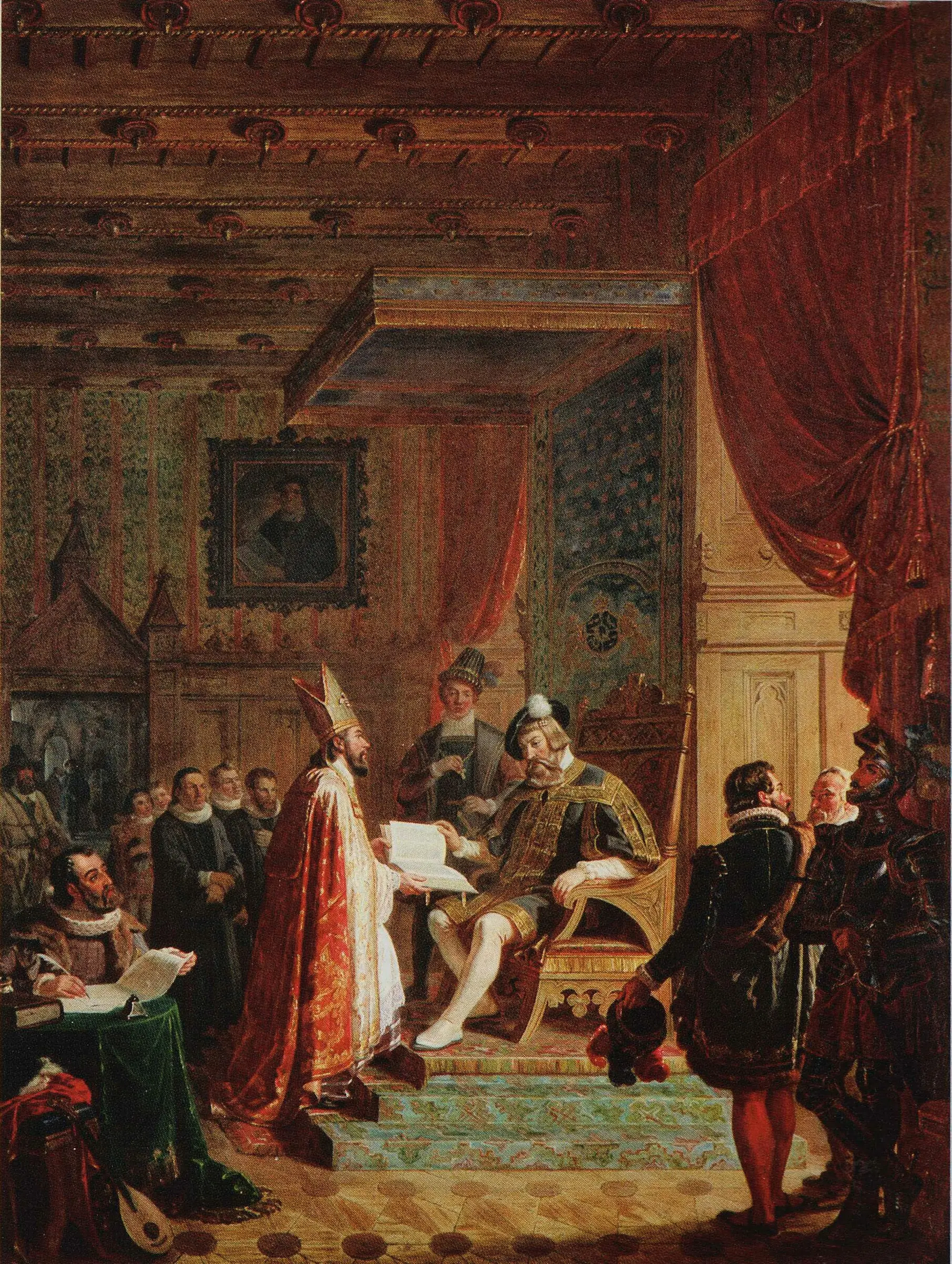
1523 – 1616
The Reformation and written Finnish.
Gustav Vasa, elected king in 1523, broke with Rome and made Sweden Lutheran. In Finland the Reformation gave the people a written language: Mikael Agricola, bishop of Turku, printed the first Finnish ABC book (c. 1543) and the New Testament (1548). Gustav founded Helsinki in 1550, his son John ruled Finland as duke from 1556, and in 1581 Finland was raised to a grand duchy. The Long Wrath with Russia (1570–1595) ended at Teusina, which carried the border to the Arctic, while the Cudgel War of 1596–1597 and Duke Charles's seizure of Finland from King Sigismund tore the country apart.

The Diet of Västerås in 1527 placed the church under the crown and opened the way to the Reformation.

Agricola's Abckiria taught Finns to read in their own language.
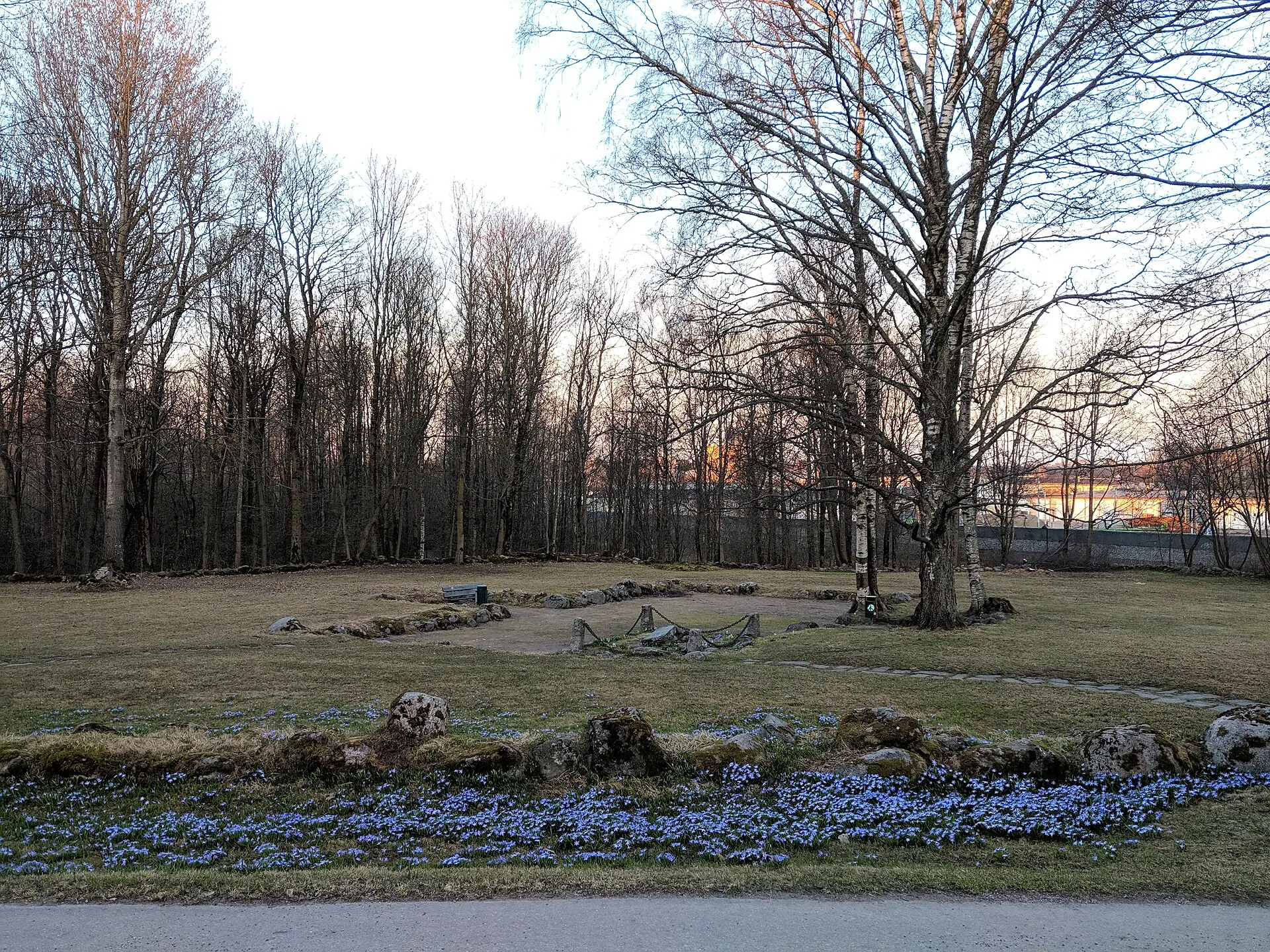
Gustav Vasa founded Helsinki at the mouth of the Vantaa river to rival Tallinn.

Ostrobothnian peasants rose against the nobility and the soldiers quartered on them in 1596.

1617 – 1721
Empire, learning and the Great Wrath.
The Treaty of Stolbovo (1617) gave Sweden Kexholm and Ingria and shut Russia out of the Baltic. Finnish cavalry, the Hakkapeliitta, fought for Gustavus Adolphus in the Thirty Years' War, and Per Brahe's governor-generalship brought new towns, the Turku Court of Appeal and the Royal Academy of Turku (1640); the first complete Finnish Bible appeared in 1642. Then disaster struck: the Great Famine of 1695–1697 killed perhaps a quarter to a third of the people, and in the Great Northern War Russia conquered and occupied Finland in the "Great Wrath" (1714–1721), until the Treaty of Nystad returned it without Vyborg and Kexholm.

Finnish light cavalry fought for Gustavus Adolphus at Breitenfeld in the Thirty Years' War.

Finland's first university was founded in 1640 under Governor-General Per Brahe.

Crop failures in 1695–1697 killed perhaps a quarter to a third of Finland's people.
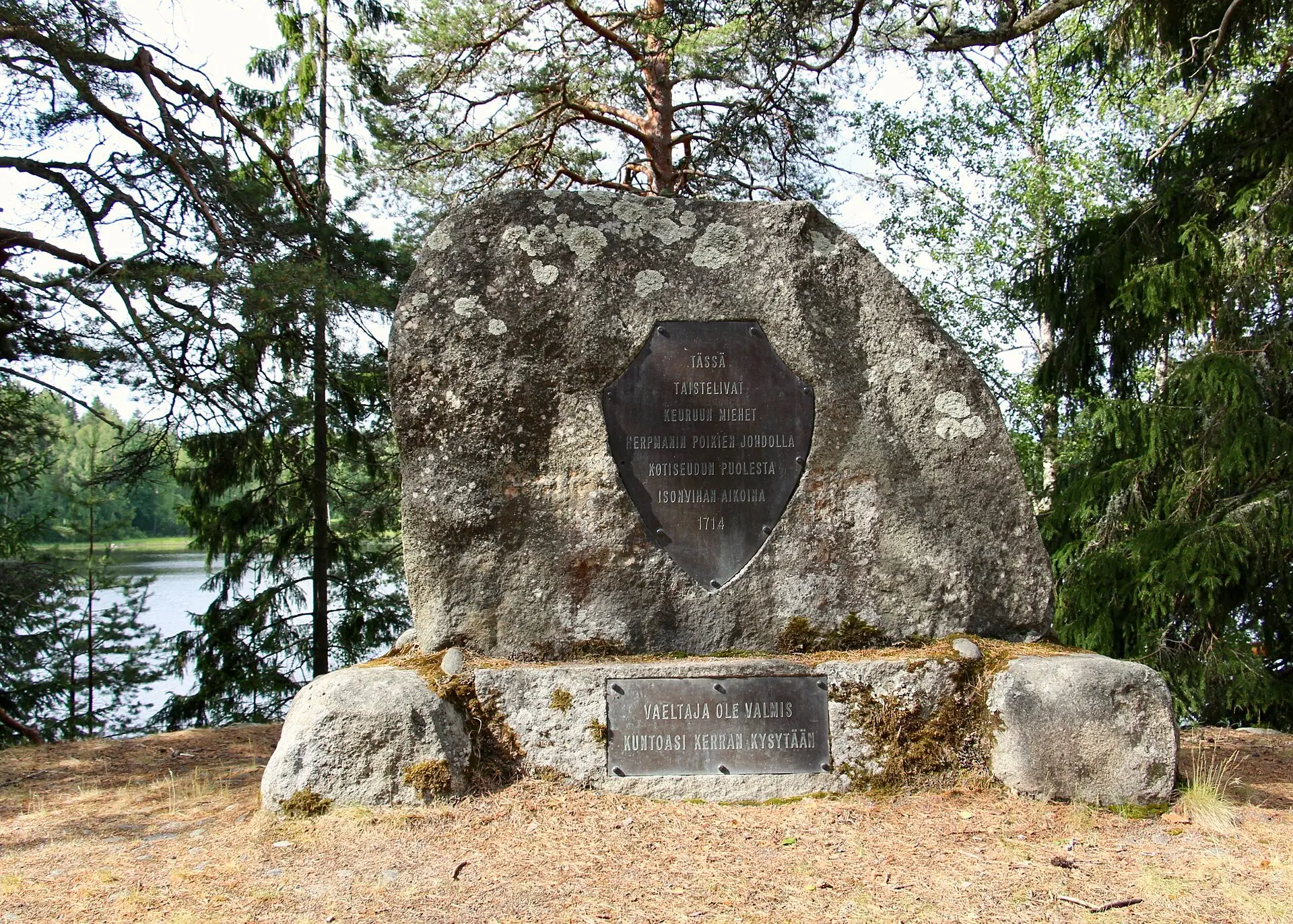
Russian troops occupied Finland from 1714 until the Peace of Nystad in 1721.

1722 – 1808
Enlightenment, fortresses and war.
Finland recovered from the Great Wrath during Sweden's parliamentary Age of Liberty, but the War of the Hats (1741–1743) brought a second Russian occupation and the loss of the lands east of the Kymi at Åbo. Sweden answered by building the sea fortress of Sveaborg off Helsinki. The Enlightenment reached Finland through Anders Chydenius, Pehr Kalm and Henrik Gabriel Porthan, and the Freedom of the Press Act of 1766. Gustav III restored royal power in 1772 and fought Russia in 1788–1790, facing the Anjala League of Finnish officers. In the Finnish War of 1808–1809 Russia conquered Finland and Sveaborg surrendered without a fight.
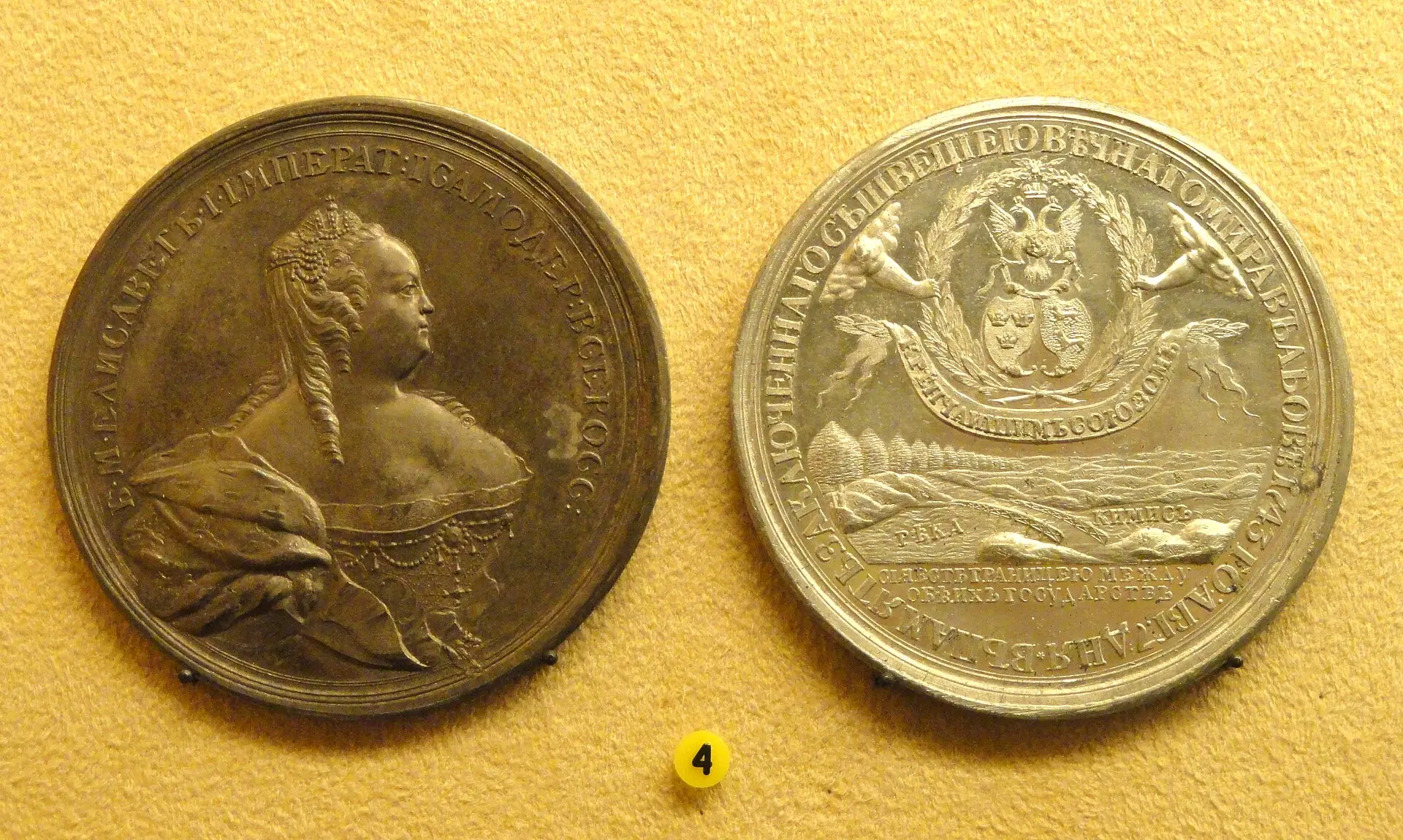
In the War of the Hats Russia occupied Finland again, and Sweden lost the lands east of the Kymi.
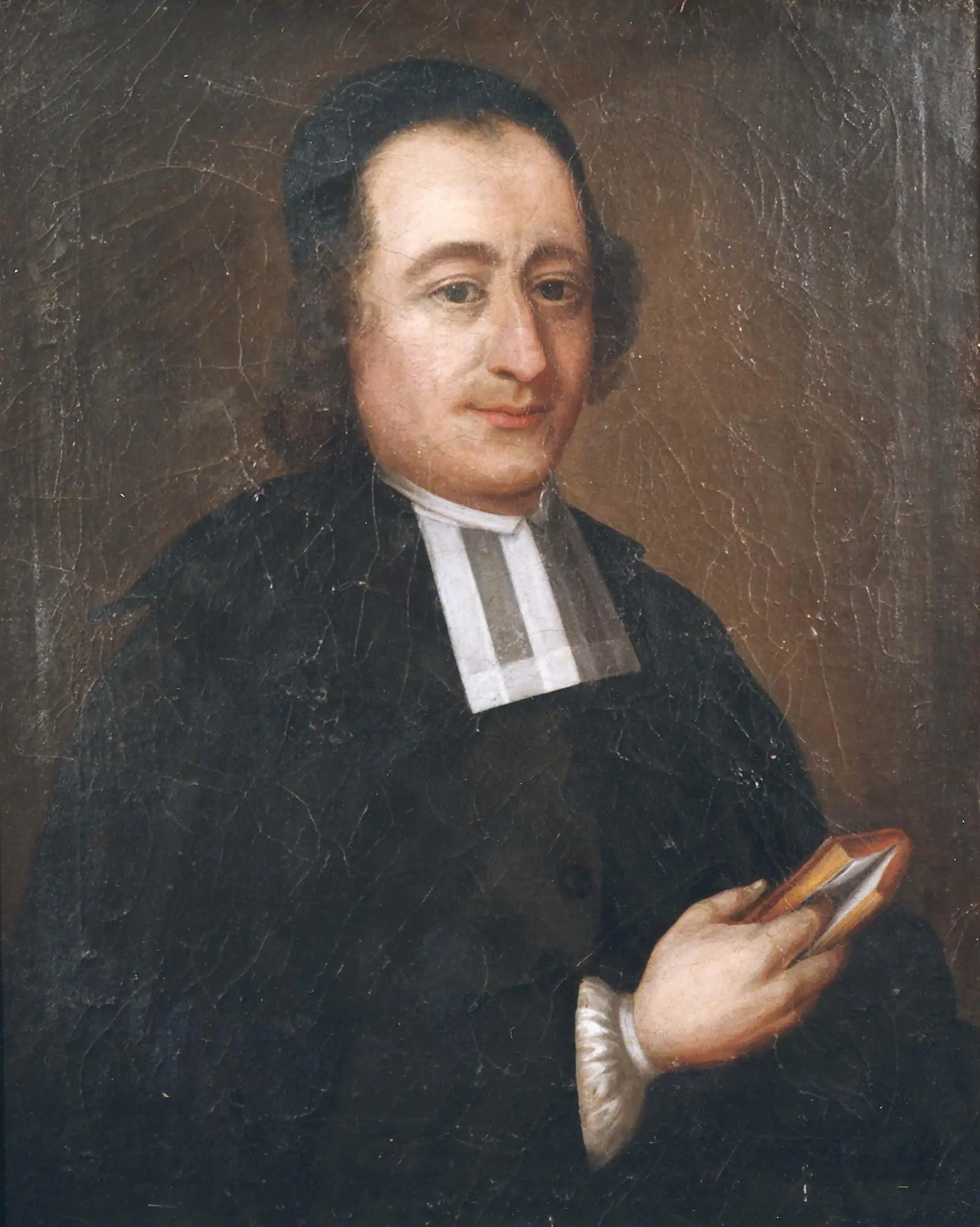
Anders Chydenius, a priest from Ostrobothnia, argued for free trade before Adam Smith.
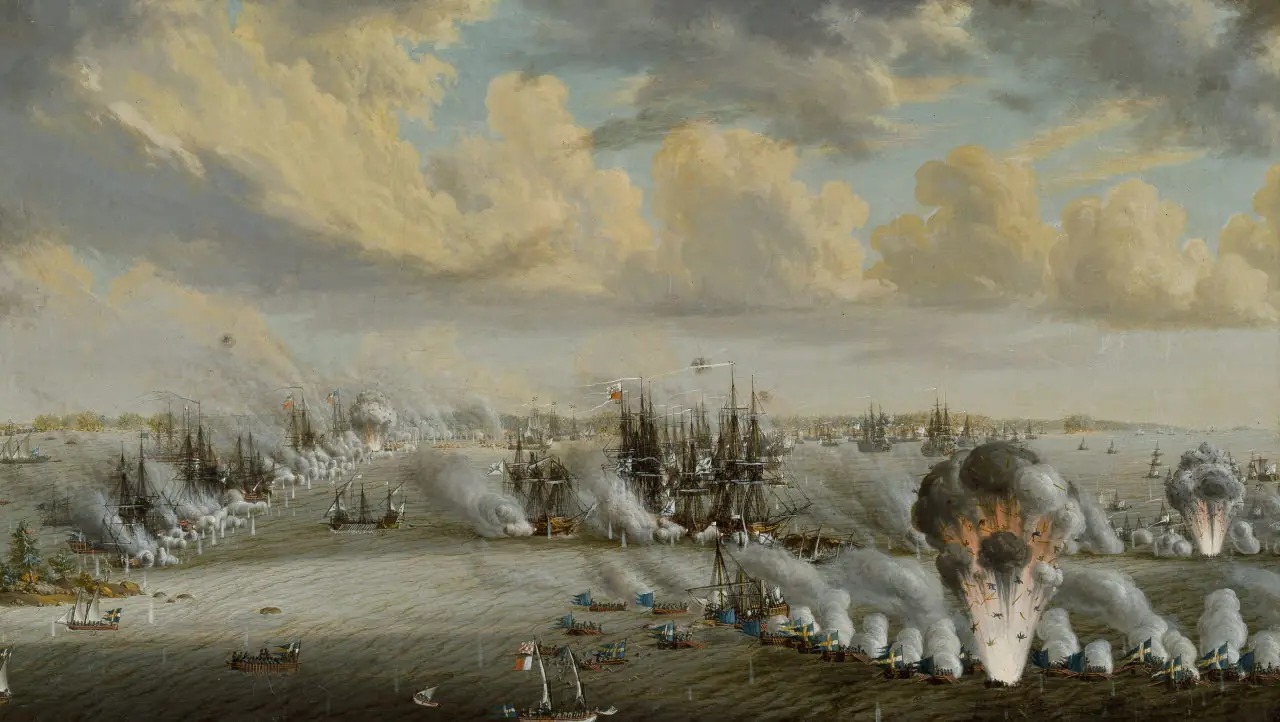
Gustav III's galley fleet won the greatest naval battle in the history of the Baltic in 1790.
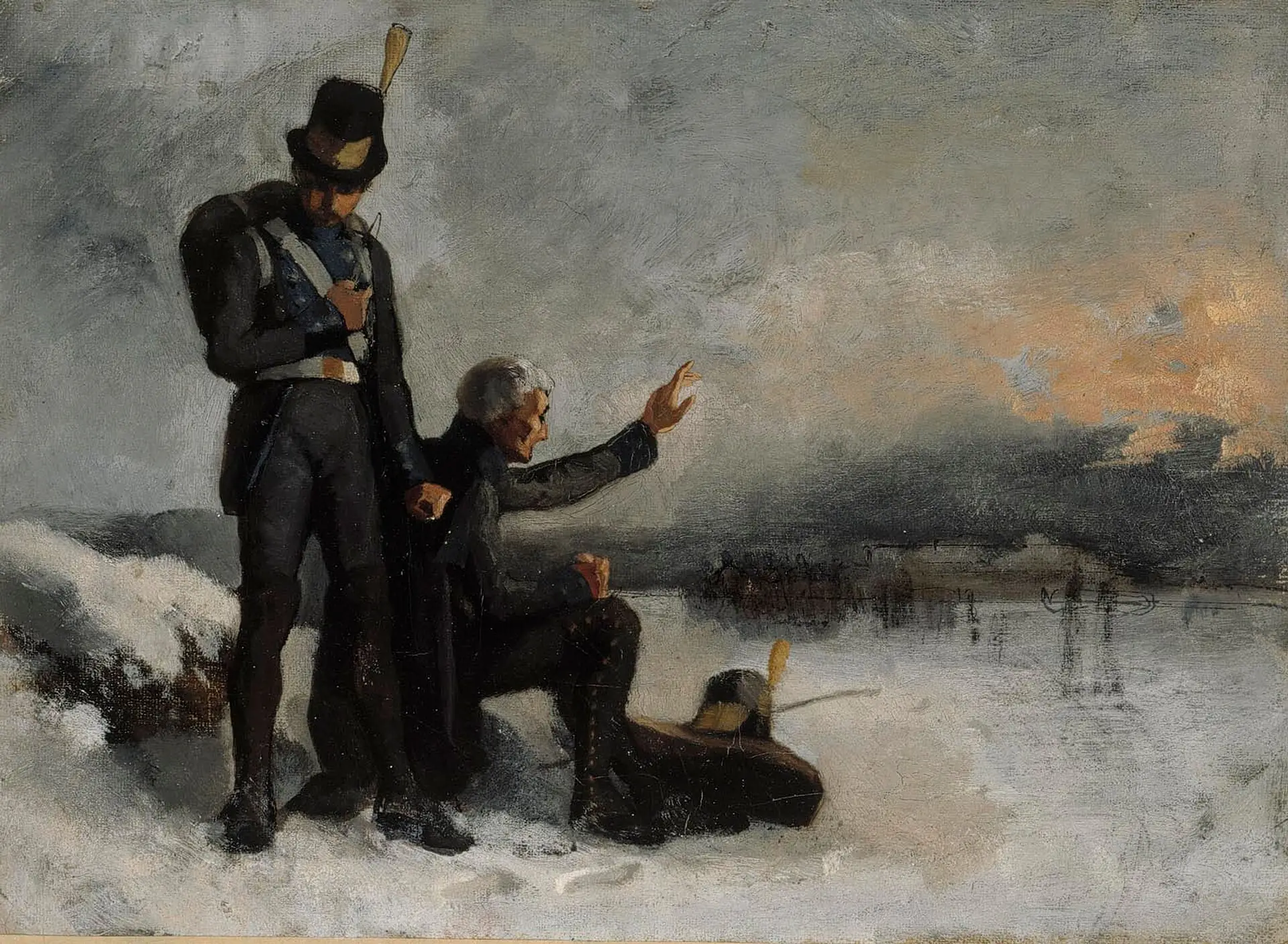
Russia invaded in 1808 and conquered Finland, despite Swedish and Finnish victories such as Revolax.

1809 – 1916
Autonomy and the national awakening.
At the Diet of Porvoo in 1809 Alexander I promised to uphold Finland's laws, and the Grand Duchy became an autonomous state under the Russian emperors, with its own Senate, its capital at Helsinki from 1812 and Old Finland rejoined. A national awakening followed: the Kalevala (1835), Snellman's campaign for Finnish, Runeberg's Maamme, the Language Decree of 1863 and the reconvened Diet, the markka, railways and schools, and the music of Sibelius. From 1899 Russification threatened autonomy; the Great Strike of 1905 forced the Parliament Act of 1906, which gave Finland a single-chamber parliament and made Finnish women the first in Europe with the vote.

Elias Lönnrot wove the folk poems he collected in Karelia into a national epic.

Helsinki became the capital in 1812, rebuilt in Empire style around the Senate Square.
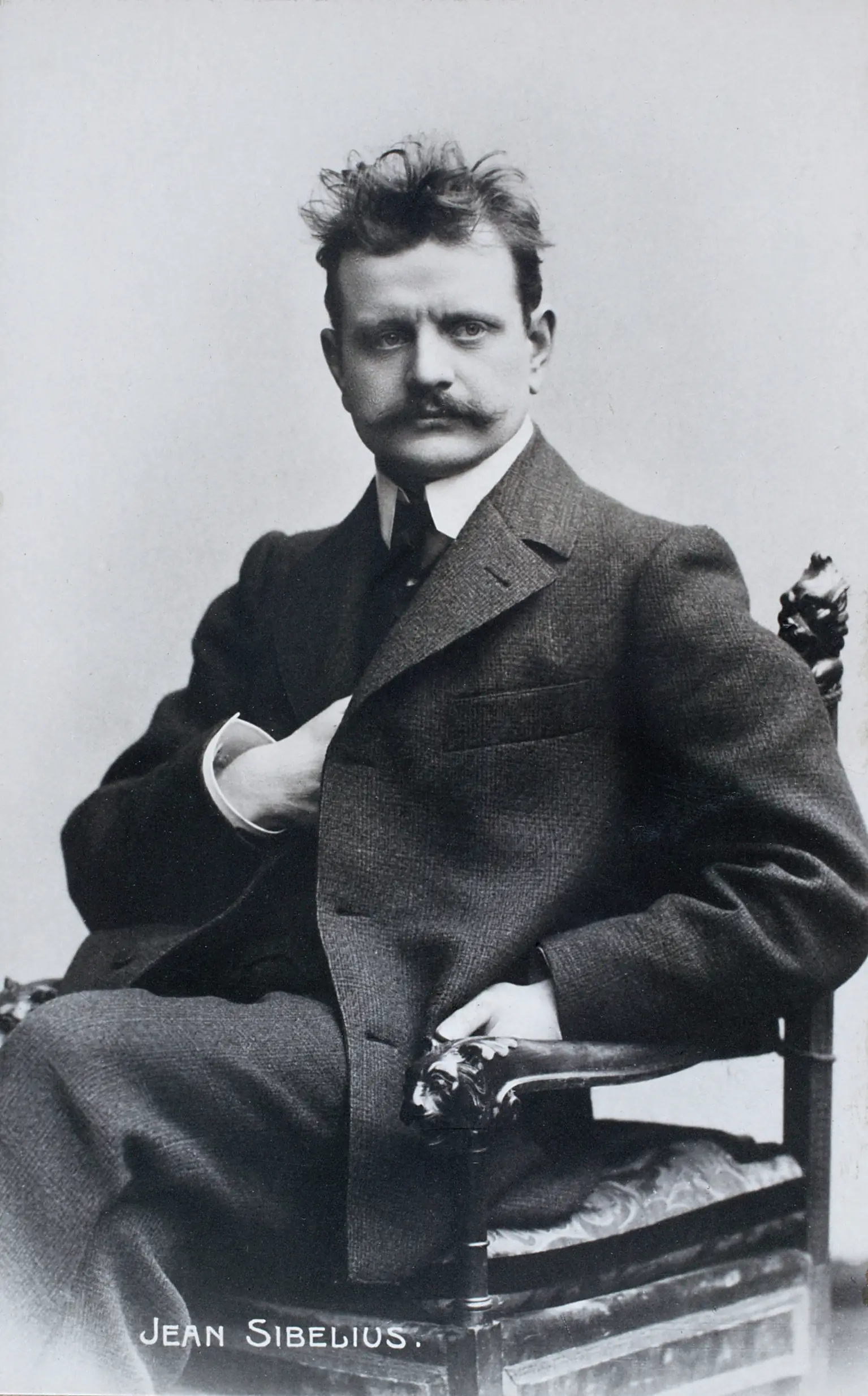
Sibelius's tone poem became a hymn of resistance during the first Russification period.
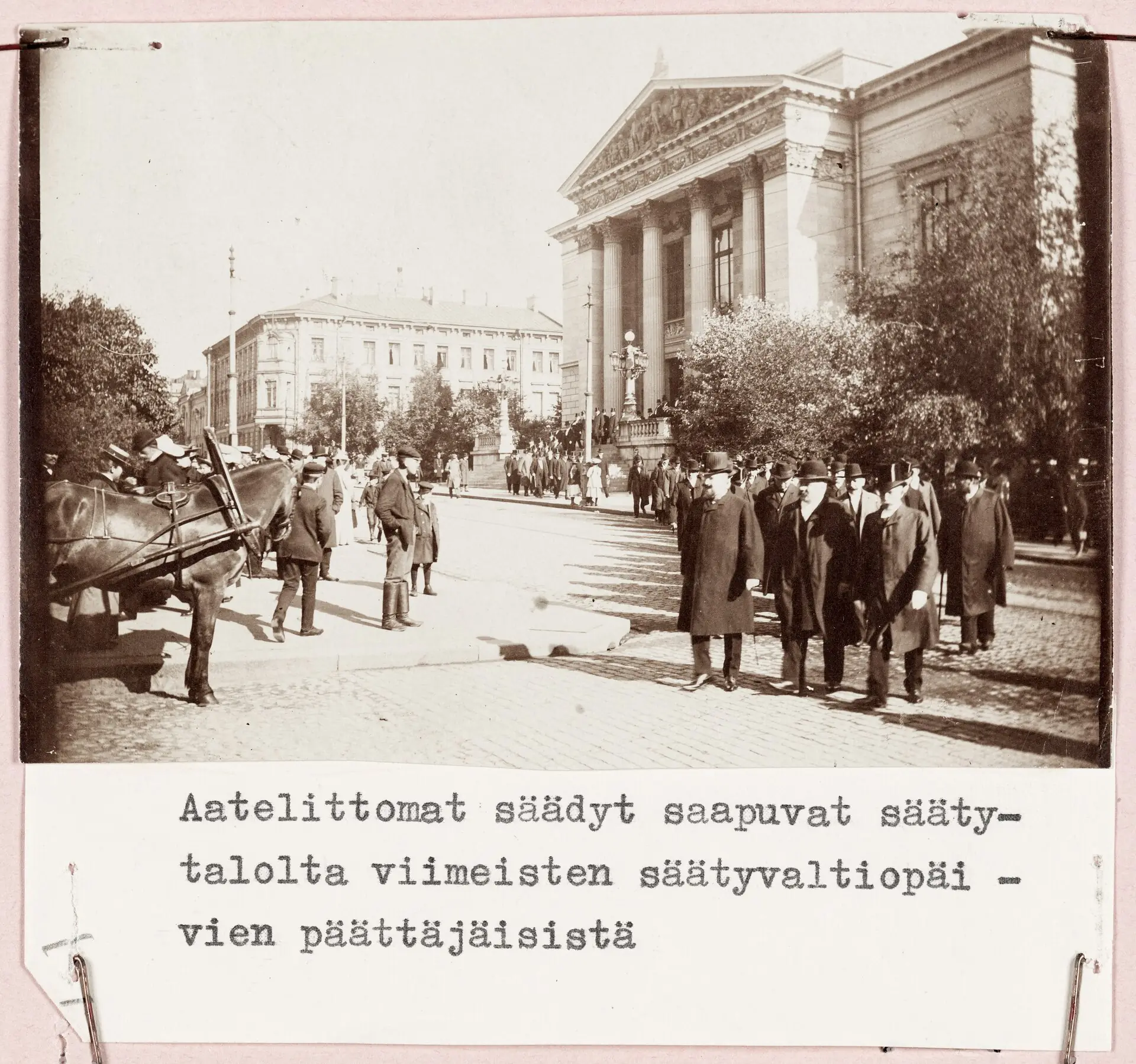
The Parliament Act of 1906 gave Finnish women the vote and the right to stand for election.
1917 – 1938
Independence, civil war and a new republic.
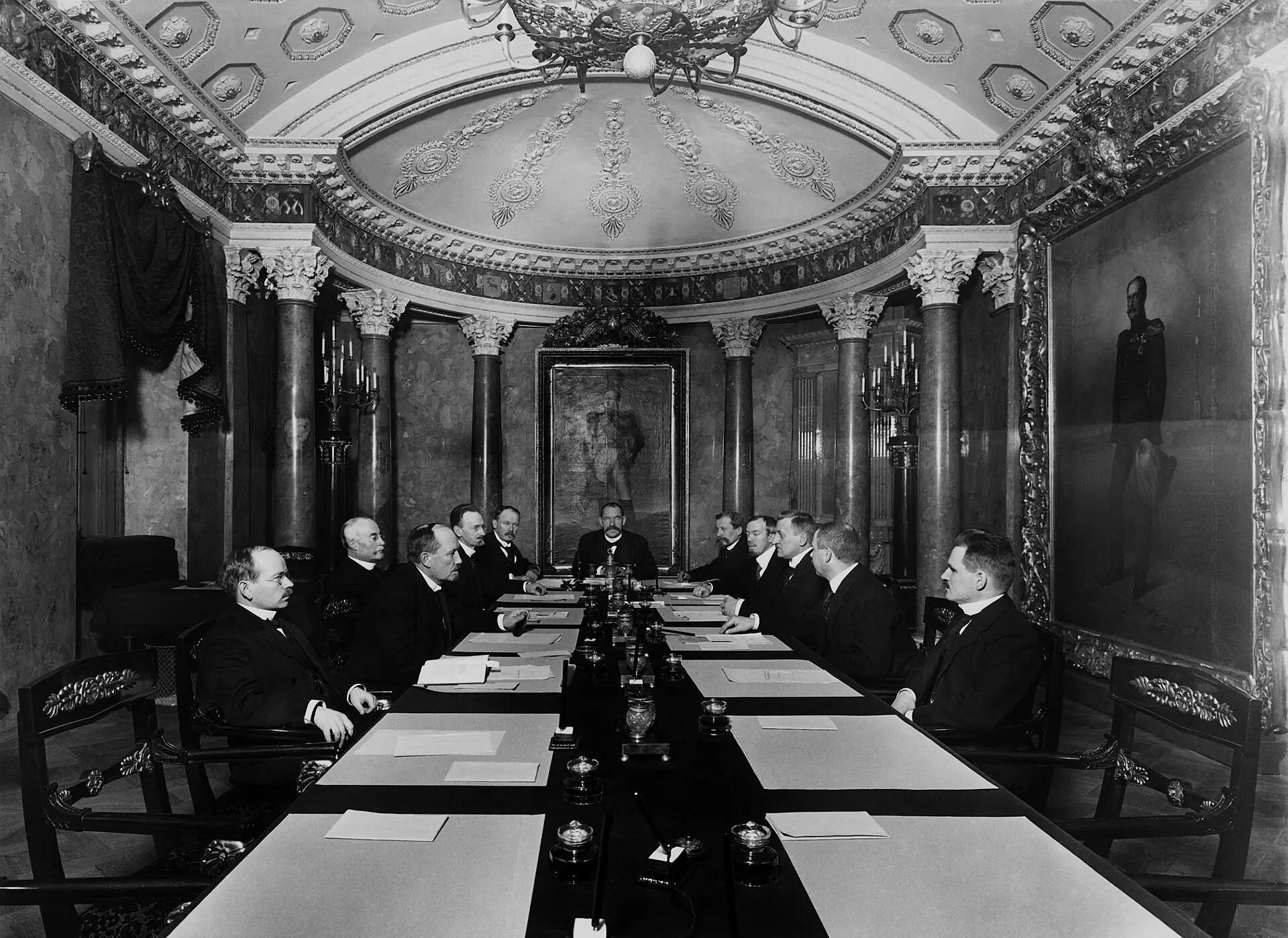
The Russian revolutions opened the way: the Senate led by P. E. Svinhufvud declared independence on 6 December 1917. Weeks later the country split into Reds and Whites, and in the Civil War of 1918 about 38,000 people died, many in terror and prison camps. A German prince was elected king but never came; the constitution of 1919 made Finland a republic with K. J. Ståhlberg as its first president. The Treaty of Tartu (1920) fixed the eastern border, the League of Nations kept the Åland Islands Finnish, and land reform, compulsory schooling and Prohibition followed. The Lapua Movement and the Mäntsälä rebellion tested democracy, which survived.

The decisive battle of the Civil War ended with the White capture of the Red stronghold in April 1918.

The constitution of July 1919 made Finland a republic with a strong president.
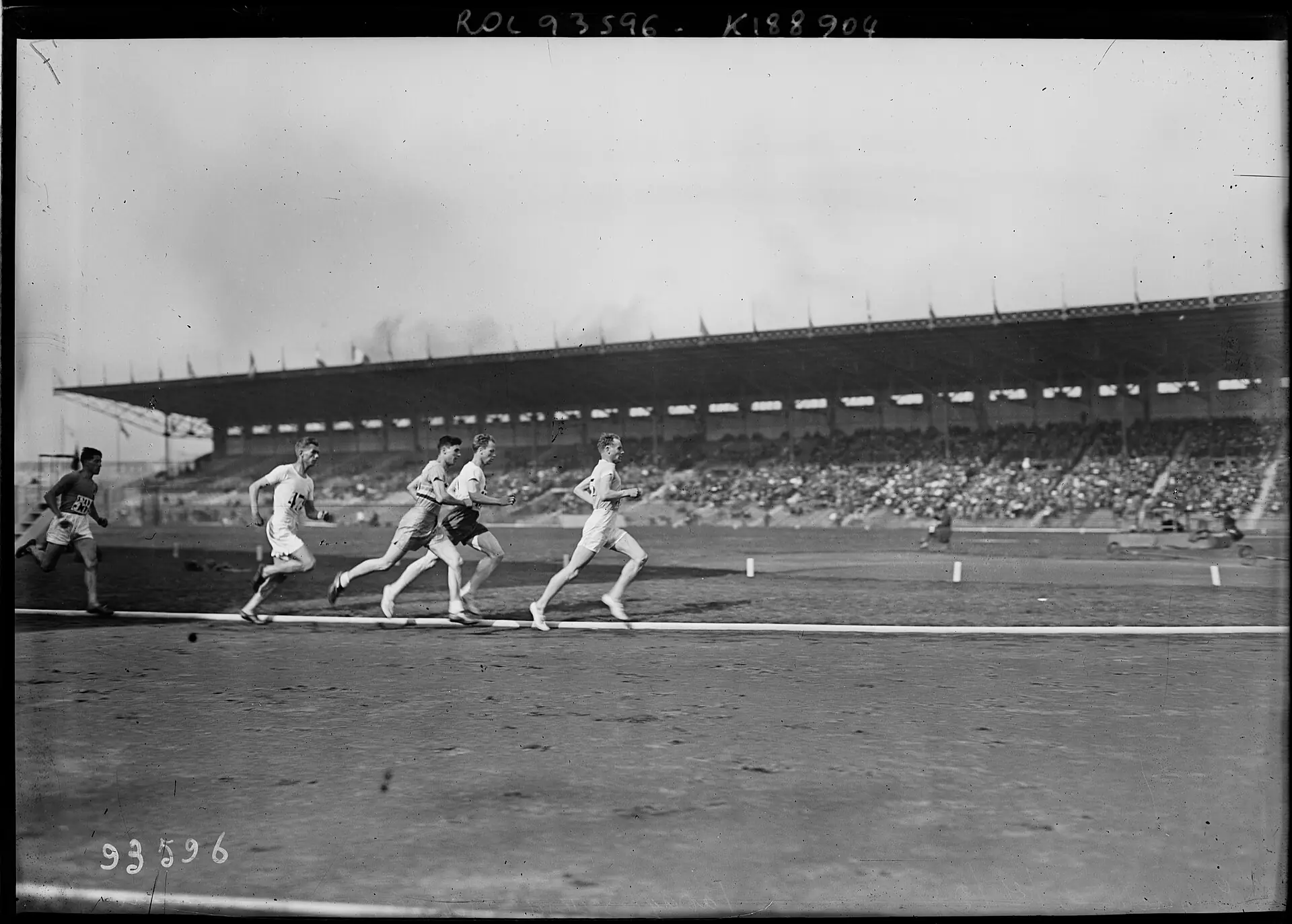
Paavo Nurmi won five gold medals at the Paris Olympics of 1924.

Alvar Aalto's tuberculosis sanatorium became an icon of modern architecture.
1939 – 1945
The Winter War and the Continuation War.
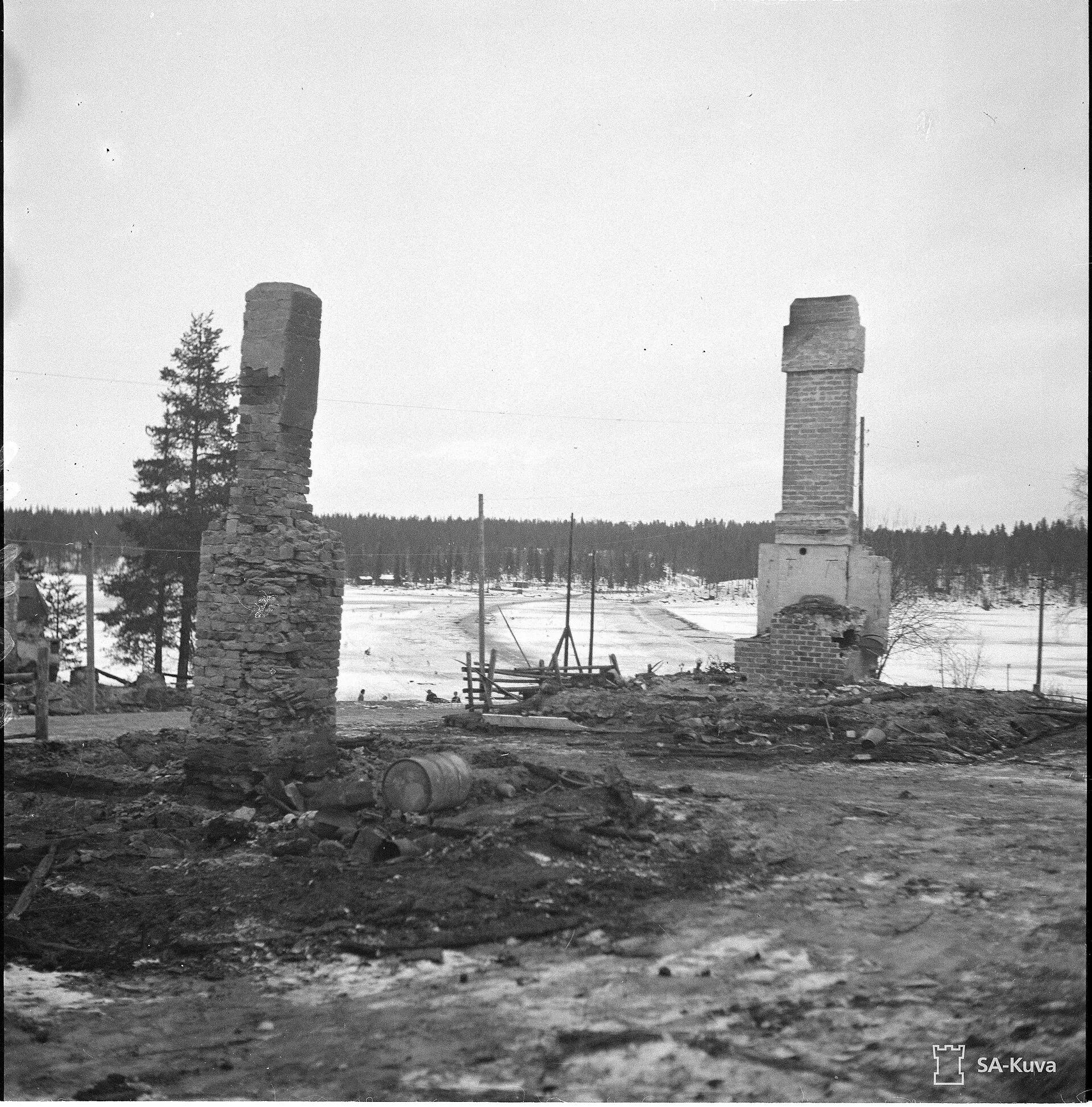
After the Molotov–Ribbentrop Pact the Soviet Union demanded territory, and when Finland refused it invaded on 30 November 1939. In the Winter War Finland held out for 105 days, with victories at Suomussalmi, Tolvajärvi and Raate Road, but the Moscow Peace of March 1940 cost it Karelia, and over 400,000 people were evacuated. Finland joined the German attack on the Soviet Union in 1941, recapturing Karelia and occupying East Karelia in the Continuation War, until the Soviet offensive of 1944 was stopped at Tali-Ihantala. The Moscow Armistice of September 1944 cost Petsamo and leased Porkkala, and the Lapland War drove out the Germans, who burned Rovaniemi.
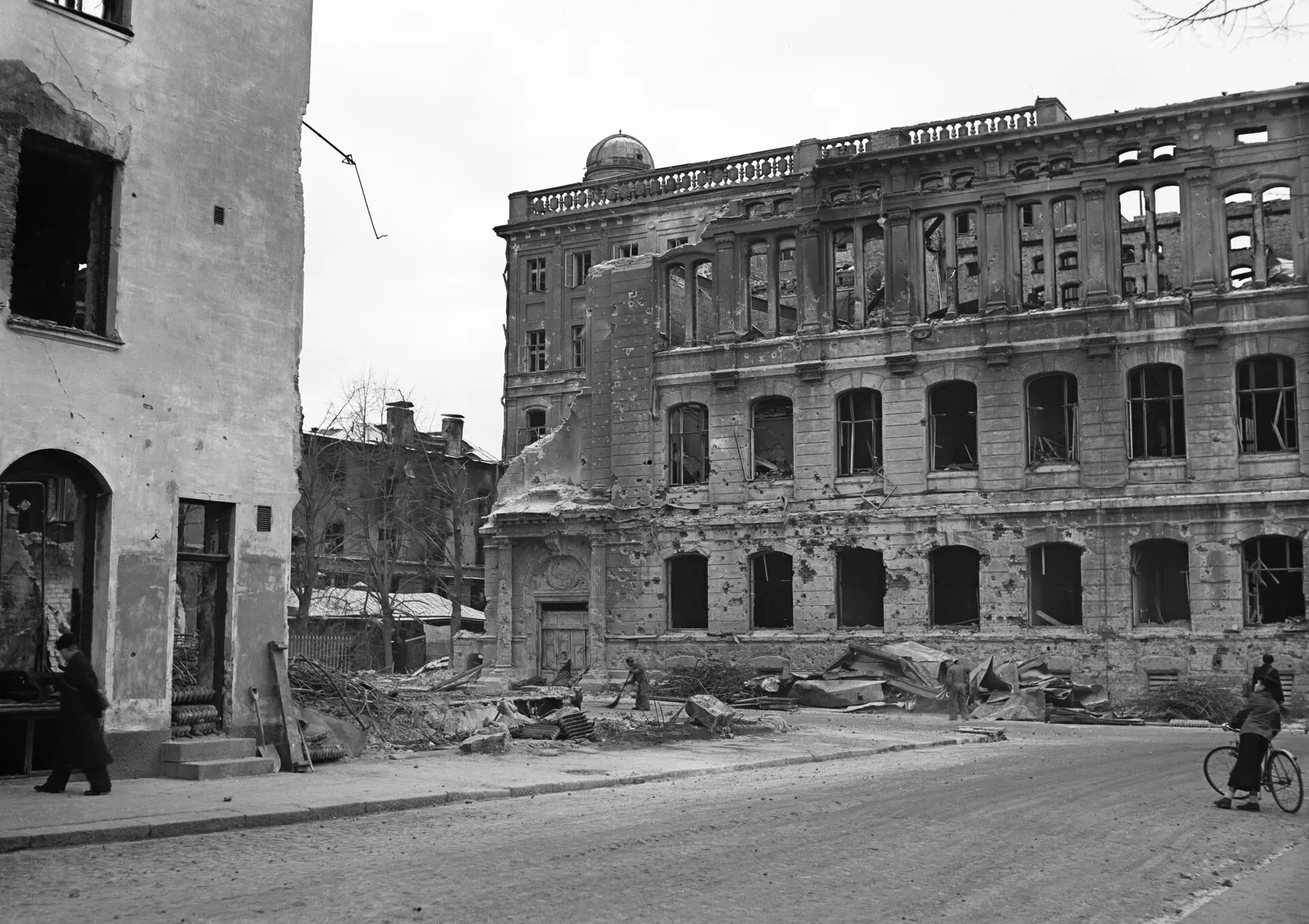
The Soviet Union attacked on 30 November 1939 without a declaration of war.
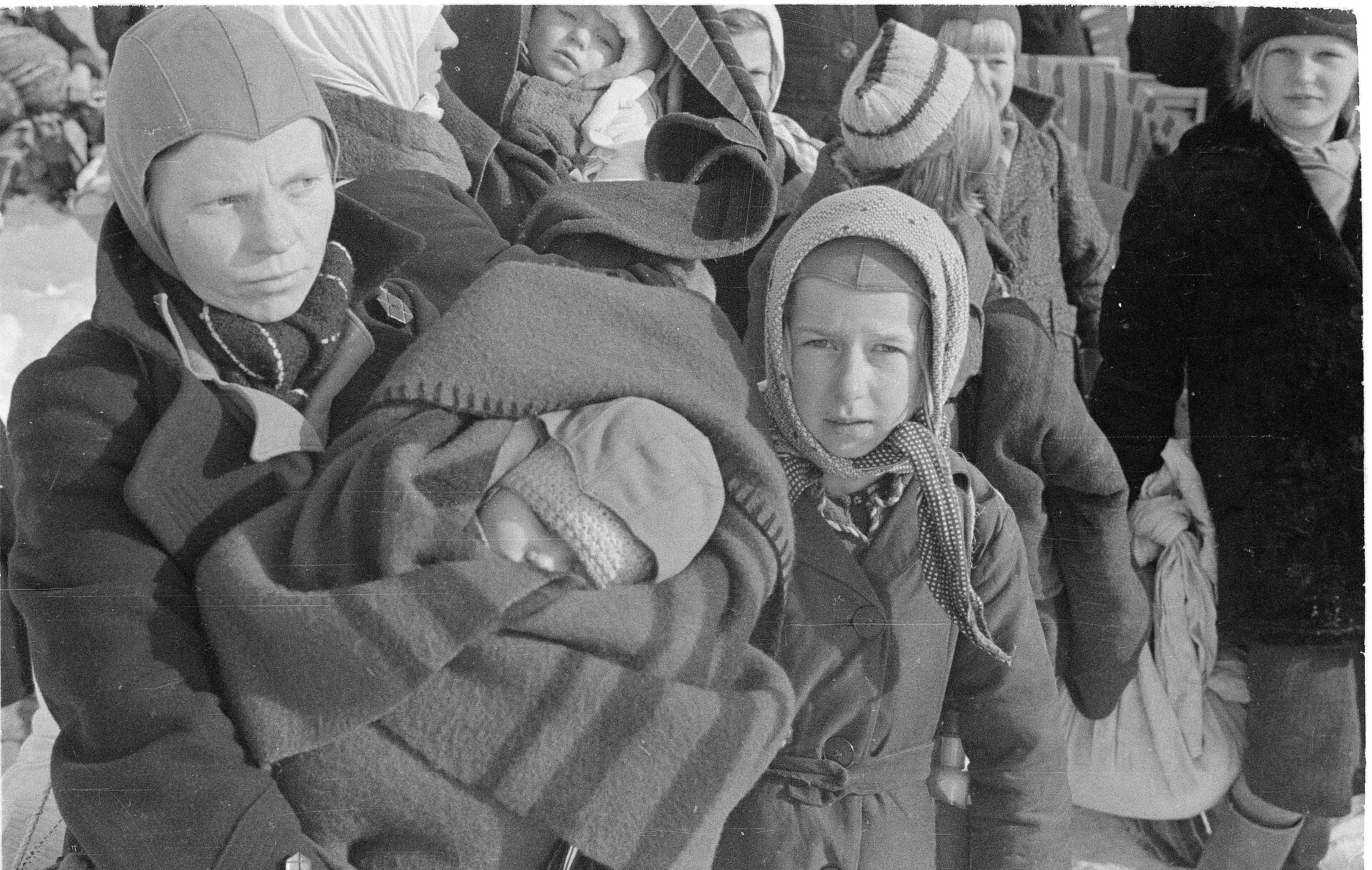
More than 400,000 Karelians left their homes after the Moscow Peace of 1940.
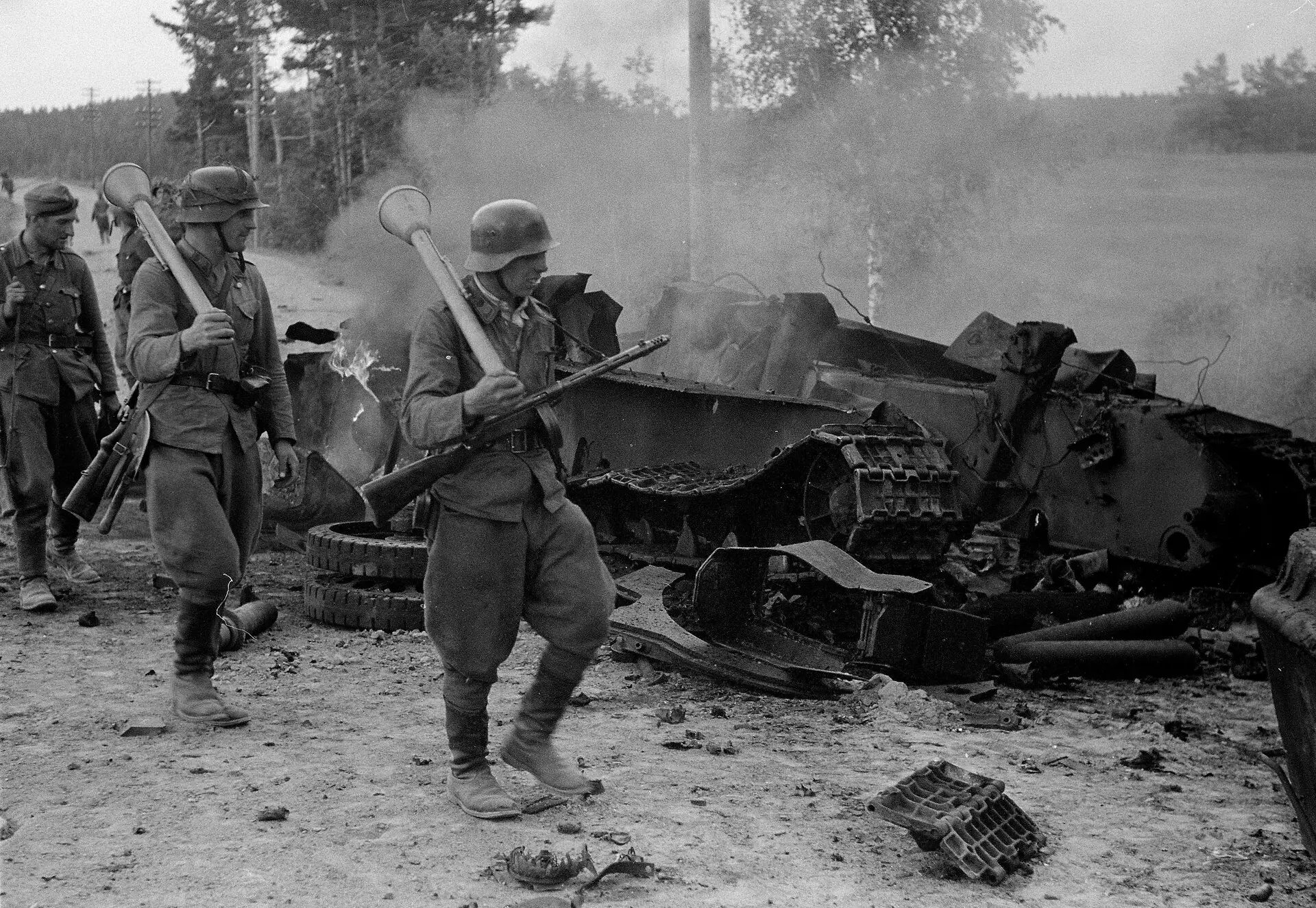
The largest battle in Nordic history stopped the Soviet offensive in the summer of 1944.

Retreating German troops burned Rovaniemi and much of Lapland in the autumn of 1944.

1945 – 1991
Neutral, Nordic and next to the Soviet Union.
Finland stayed independent and democratic but lived in the Soviet shadow. Presidents Paasikivi and Kekkonen built friendly relations with Moscow on the Treaty of 1948, a policy critics abroad called "Finlandization". Finland paid its war reparations in full by 1952, the year Helsinki hosted the Olympics, resettled the Karelians, regained Porkkala in 1956 and industrialised fast, while hundreds of thousands moved to Sweden. Joining the Nordic Council, EFTA and the United Nations, and hosting the Helsinki Final Act of 1975, it built a Nordic welfare state with comprehensive schools. As the Soviet Union collapsed, Finland fell into a deep depression just as Nokia made the world's first GSM call.

Tove Jansson's first Moomin book appeared in 1945, the start of a world-wide success.

Finland paid the Soviet Union its reparations in ships, machines and cables, completed in 1952.

Urho Kekkonen was president for 25 years and the architect of relations with Moscow.

Thirty-five states signed the Final Act of the Conference on Security and Co-operation in Europe in 1975.

1992 – present
Europe, technology and NATO.
Freed from the Treaty of 1948, Finland joined the European Union in 1995 and adopted the euro, the only Nordic country to do so. Nokia became the world's largest phone maker, Finnish schools topped the PISA tables and a new constitution in 2000 strengthened parliament; Tarja Halonen became the first woman president. After Russia's full-scale invasion of Ukraine, Finland abandoned military non-alignment and joined NATO on 4 April 2023, closed its border with Russia, and signed a defence agreement with the United States. Repeatedly named the world's happiest country, it entered 2026 with Oulu as European Capital of Culture.

Finland joined the European Union on 1 January 1995 after a referendum the year before.

The world's largest phone maker for a decade sold its phone business to Microsoft in 2013.

From 2018 the World Happiness Report ranked Finland first year after year.

Finland closed its land border with Russia in December 2023.
Finland’s Borders Through Time, c. 8900 BCE – Today
Follow Finland’s lands from the first settlers after the Ice Age, through the Finnic tribes, six centuries in the Swedish realm and the autonomous Grand Duchy under Russia, to independence, the wars of 1939–1945 and the borders of today. Each of 27 zones is coloured by who held it, in 30 narrated chapters.
If the page stays blank, the site doesn't allow embedding — use “Open in new tab”.
From the rock paintings of Astuvansalmi to the Nordic welfare state, the history of Finland has left two national languages and the Kalevala, a Lutheran tradition of literacy and schooling, Swedish law and the first parliament elected by women and men alike, the music of Sibelius and the architecture of Aalto, the memory of the Civil War and the Winter War, and a nation that has always had to find its place between East and West.
Finnish, a Finnic language unrelated to Swedish or Russian, was the speech of most Finns but for centuries not of their rulers. Mikael Agricola wrote it down in the 1540s, Elias Lönnrot's Kalevala of 1835 gave it a national epic, and the Language Decree of 1863 began to make it an official language beside Swedish. Finland has two national languages to this day, Finnish and Swedish, and the Sámi languages have official status in Lapland.
The Lutheran church required every Finn to read the catechism before marriage, and church examinations made a largely rural people literate by the eighteenth century. The Academy of Turku (1640), moved to Helsinki in 1828, became the University of Helsinki; Uno Cygnaeus's elementary schools from 1866, compulsory education from 1921 and the comprehensive school of the 1970s led to Finland's top results in the first PISA surveys.
Six centuries of Swedish rule gave Finland its law, its estates and the tradition of free peasants with a voice in the Diet, which the Grand Duchy kept under the tsars. In 1906 Finland adopted universal and equal suffrage, and in 1907 elected the first women members of parliament in the world. The republic's constitutions of 1919 and 2000 kept a parliamentary democracy through civil war, world war and the Cold War.
Jean Sibelius's Kullervo, Finlandia and seven symphonies made him the voice of the national awakening and one of the great symphonists of the twentieth century. The kantele, the folk-song tradition of Karelia and Runeberg's Maamme, set by Fredrik Pacius, are national symbols, and Finland's conservatories and conductors, from Paavo Berglund to Esa-Pekka Salonen, are known around the world.
The medieval castles of Turku, Häme and Olavinlinna, Sveaborg (Suomenlinna) and Carl Ludvig Engel's Empire-style Helsinki record Finland's place between Sweden and Russia. In the twentieth century Eliel Saarinen and Alvar Aalto made Finnish architecture and design world-famous; Suomenlinna, Old Rauma, the Petäjävesi church, Sammallahdenmäki and, since 2026, works of Aalto are UNESCO World Heritage Sites.
The Civil War of 1918 divided families and towns for generations, and its victims on both sides have been remembered openly only in recent decades. The Winter War became a national story of sisu, unity against overwhelming odds; the loss of Karelia and the resettlement of more than 400,000 evacuees shaped post-war Finland, and the war children sent to Sweden and the veterans are honoured to this day.
Finland has always lived between Sweden and Russia. Its Cold War policy of neutrality and friendship with Moscow, the Paasikivi–Kekkonen line, kept it independent and democratic, and Helsinki hosted the Conference on Security and Co-operation in Europe in 1975. Joining the European Union in 1995 anchored Finland in the West, and after Russia's invasion of Ukraine it joined NATO in 2023, ending a century of military non-alignment.
From a poor agrarian country in 1945, Finland became one of the world's richest Nordic welfare states, with free schools, universal health care and a strong forest industry. Nokia led the mobile-phone revolution after the world's first GSM call was made in Finland in 1991, Linus Torvalds released Linux the same year, and Finnish games such as Angry Birds and Clash of Clans reached hundreds of millions of players.
The timeline is built from the project's own research dossier and its event, ruler, prime minister and map datasets, checked against English Wikipedia, Encyclopaedia Britannica, the Finnish Heritage Agency, the National Museum of Finland, finland.fi, the Finnish Government and other references. Linked articles are starting points for verification, not proof that every claim has been independently checked. Prehistoric and early medieval dates are approximate; the First Swedish Crusade is a medieval tradition, and the Second is dated 1239, 1249 or 1256 by different historians. Dates follow the New Style where sources give one. Civil War figures follow the Finnish Heritage Agency, conflicting figures are both given, the most recent events rest on sources that are still changing, and the map's historical zones are reconstructions.
Every event and every ruler has its own sources. See Sources & Further Reading in each timeline entry and ruler profile.
History is connected. Explore the bigger picture.
AllHistories is an independent visual history project designed to make the past easier to understand, explore, and connect.
History is more than a collection of dates, rulers, and battles. Events rarely happen in isolation. Borders shift, civilizations influence one another, ideas spread, and decisions made centuries ago continue to shape the world today.
Through interactive timelines, historical maps, and visual storytelling, AllHistories helps uncover these connections and makes complex historical subjects more accessible and engaging.
Travel through centuries, discover turning points, and understand how historical events unfold and connect.
Explore how borders, civilizations, populations, trade routes, beliefs, and spheres of influence have changed over time.
Go beyond dates and discover the individuals, places, decisions, and circumstances behind historical developments.
Explore connections between countries, empires, civilizations, and historical themes to better understand cause and consequence.
Features vary depending on the historical subject.
AllHistories draws on historical research, published references, public archives, and available historical datasets. The information is organized and presented through interactive digital experiences.
History is not always certain or universally agreed upon. Dates, territorial boundaries, population figures, and interpretations may differ between sources. Some information is necessarily simplified or estimated for visual presentation.
The goal is to encourage curiosity and independent exploration, not to replace academic publications or specialist historical research.
When you visit AllHistories, the web server may process technical information such as your IP address, requested pages, browser details and access times to deliver pages and maintain the service.
Some pages load Google Analytics, Google Fonts, externally hosted images, maps or other third-party resources. Requests to these providers can transmit technical information, including your IP address. Contact forms may use Google reCAPTCHA to help prevent abuse. These providers apply their own privacy policies.
The website uses browser storage for preferences such as the selected theme. Country microsites also use a session cookie to support website functionality, including request protection. Analytics or other third-party services may use additional cookies or storage, depending on the page and your browser settings.
When you submit a correction or contact form, the information you provide, such as your name, email address and message, is processed to review and respond to your request. Please avoid including sensitive personal information.
You can manage cookies and site storage in your browser and control third-party requests through browser privacy settings. For privacy questions or requests concerning information you submitted, use the contact option on the microsite where you sent it.
Links to sources and other websites take you to services with their own privacy practices. Review their policies before providing personal information.
AllHistories provides historical information for general education and exploration. Its content is not professional, legal, financial or other specialist advice.
We aim to present useful, well-sourced summaries, but cannot guarantee that every date, statement, translation or interpretation is complete or accurate. Verify important claims against the cited sources and relevant scholarship. Content may be corrected or updated.
Maps are simplified historical illustrations. Borders, place names and territorial labels may vary by period and source. Their appearance does not express a position on sovereignty or present-day territorial disputes.
Images and source material may belong to their respective creators or rights holders. Consult the image credit, source page and license before reusing material. A link or credit does not grant additional reuse rights.
External links are provided for reference. AllHistories does not control the content, availability or policies of third-party websites.
To report an error or a concern about credited material, use the contact option on the relevant country microsite and identify the page, material and supporting details.