Key facts of the era
Key Events
Journey through the people, volcanoes and ideas that shaped El Salvador, from the first villages of Chalchuapa and the Pipil lordship of Cuzcatlan to the republic of today.
Follow the Spanish conquest, indigo and coffee, independence and the Central American Federation, military rule, the civil war and the peace of 1992.
Explore 10 historical periods, the lords, monarchs, governors, federal presidents and presidents, and 15 chapters of territorial change.
The lords of Cuzcatlan, the Spanish monarchs and colonial governors, the federal presidents, and the heads of state, presidents and juntas of El Salvador.
A Journey Through the Ages
El Salvador is the smallest and most densely settled country of the Central American mainland, a land of volcanoes, lakes and a long Pacific coast. Its history begins with Palaeoindian hunters and the ceremonial centres of Chalchuapa and Quelepa, continues through the Classic Maya of Tazumal and San Andrés, the catastrophic Ilopango eruption of about 431 and the buried village of Joya de Cerén, and reaches the Nahua-speaking Pipil, whose lordship of Cuzcatlan lay west of the Lempa river when Pedro de Alvarado invaded in 1524.
Under Spain the province of San Salvador, first an alcaldía mayor and from 1785 an intendancy of the Kingdom of Guatemala, lived on cacao and then indigo, and was shaken by earthquakes and eruptions. The cry of 1811, independence in 1821, resistance to annexation by Mexico and the State of El Salvador in the Federal Republic of Central America, the cause of Francisco Morazán, led to a sovereign republic in 1841. Coffee replaced indigo from the 1860s, the communal lands were abolished in 1881–1882, and a small oligarchy, later the Meléndez–Quiñónez family, governed until the Depression.
The coup of December 1931 and the massacre of 1932 opened five decades of military rule, the Football War of 1969 and the electoral frauds of 1972 and 1977. After the murder of Archbishop Óscar Romero in 1980 a twelve-year civil war between the armed forces and the FMLN ended with the Chapultepec Peace Accords of 1992. Since then the country has lived through ARENA and FMLN governments, dollarisation in 2001, gang violence, and the presidency of Nayib Bukele, with his state of exception, the legal tender of Bitcoin and the constitutional changes of 2025. Explore the ten ages below through selected events from the timeline.

12,000 BCE – 249
Ice Age hunters, the first villages and the carvers of Chalchuapa.
Paleoindian hunters, the first farming villages and the Preclassic centres of Chalchuapa (El Trapiche, Casa Blanca) and Quelepa, with Olmec-style sculpture and Usulután pottery traded across south-eastern Mesoamerica.
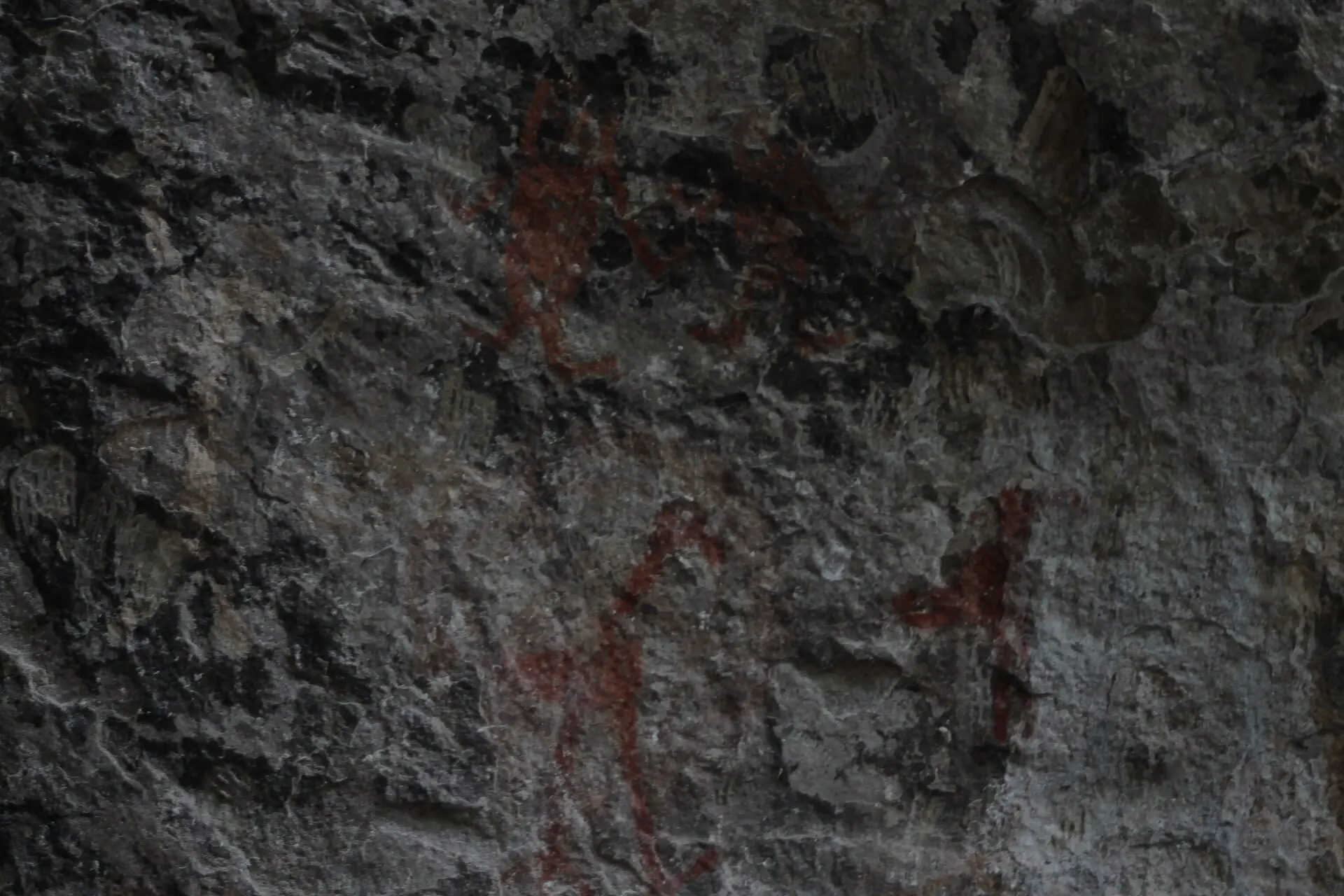
Red-pigment paintings and engraved designs in the Cueva del Espíritu Santo near Corinto are attributed by some researchers to very early hunter-gatherers, though their age is disputed.
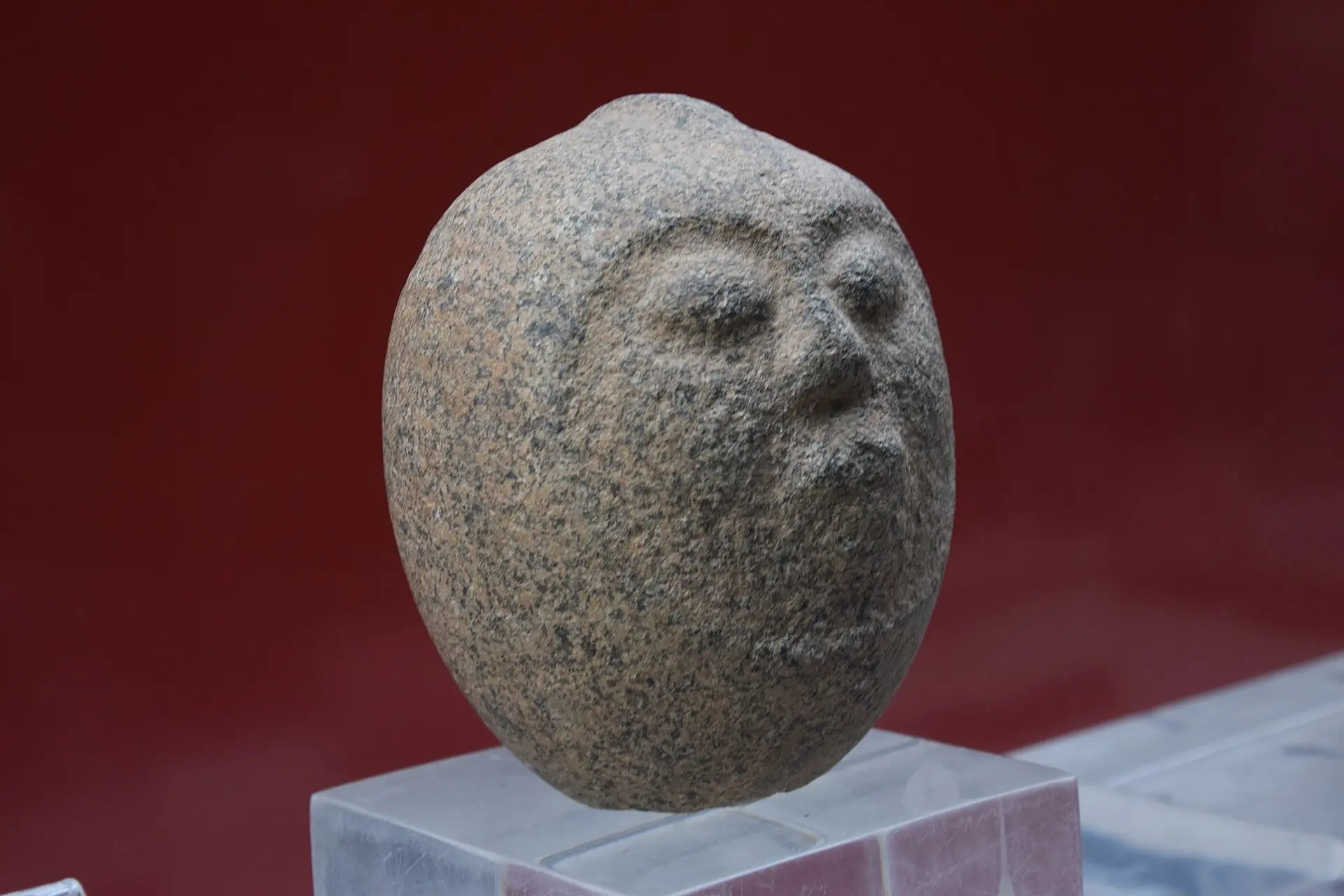
Around 900 BCE sculptors at Las Victorias in Chalchuapa carved stone in a style shared with the Olmec world of the Gulf Coast.

In the east the centre of Quelepa was founded about 400 BCE, and its jaguar altar still survives.

250 – 899
A volcano that emptied the west, and a village frozen in ash.
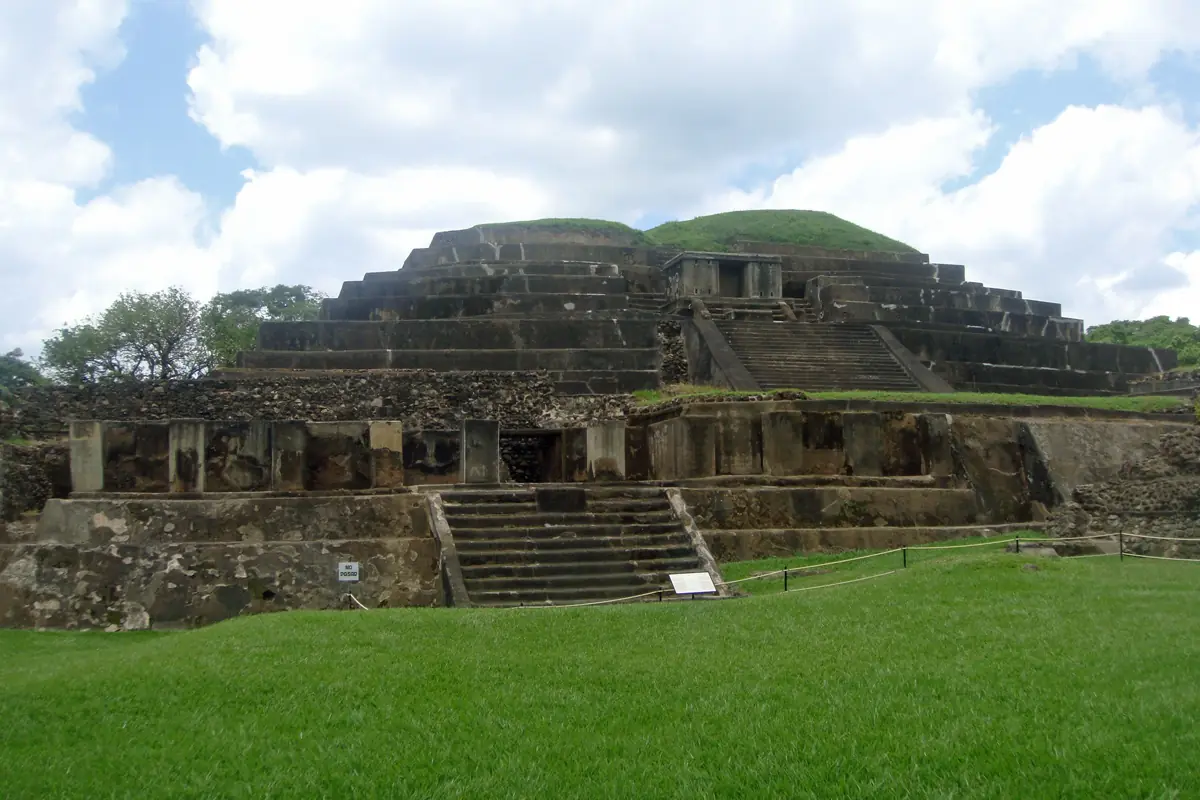
The Tierra Blanca Joven eruption of Ilopango (c. 431) devastated the centre and west; Tazumal, San Andrés and the farming village of Joya de Cerén, buried by Loma Caldera c. 600, mark the Classic recovery.
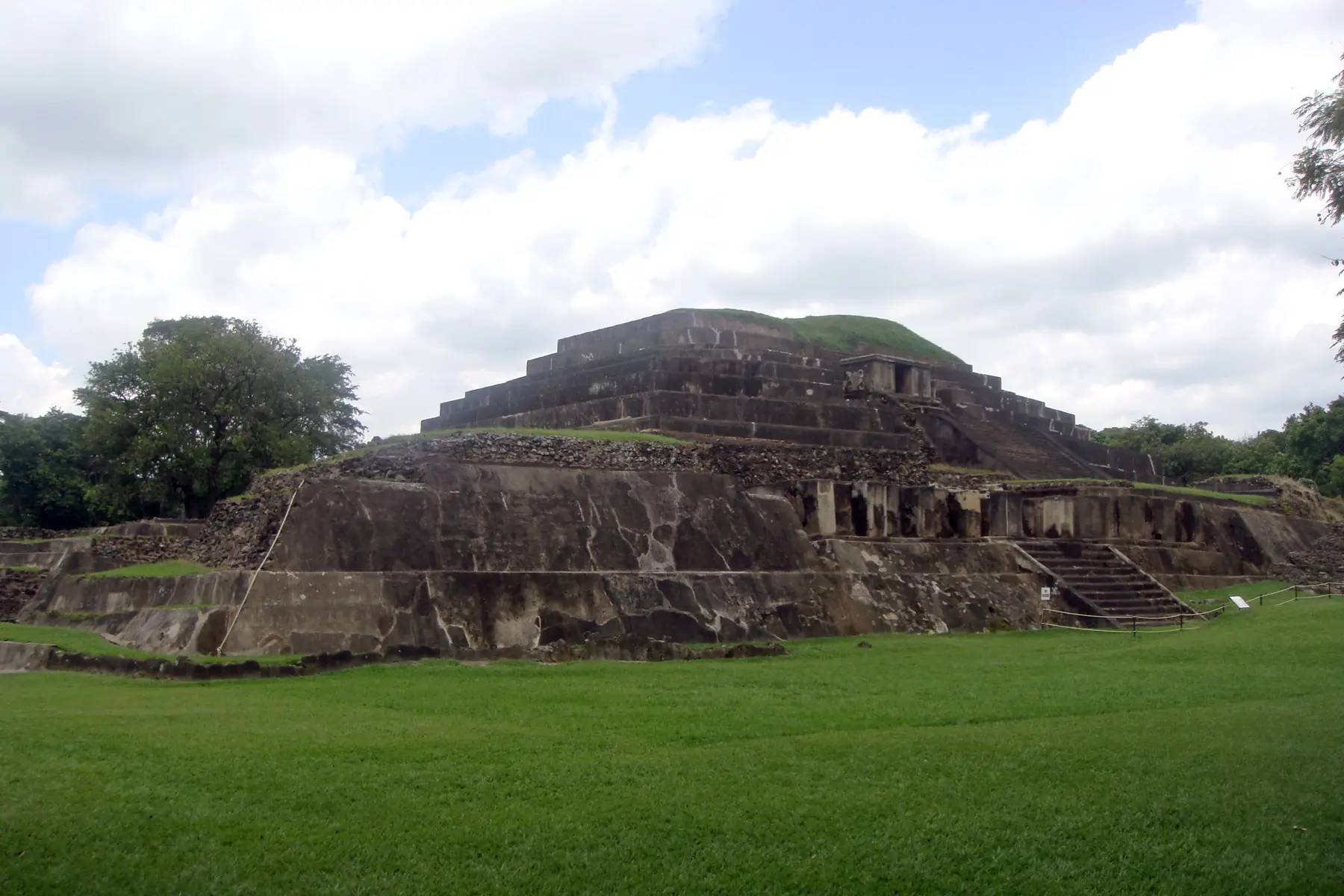
The Maya centre of Tazumal in Chalchuapa took part in a long-distance network that reached the great city of Teotihuacan.

About 600 the Loma Caldera eruption buried a farming village in ash and preserved its houses, tools and fields.
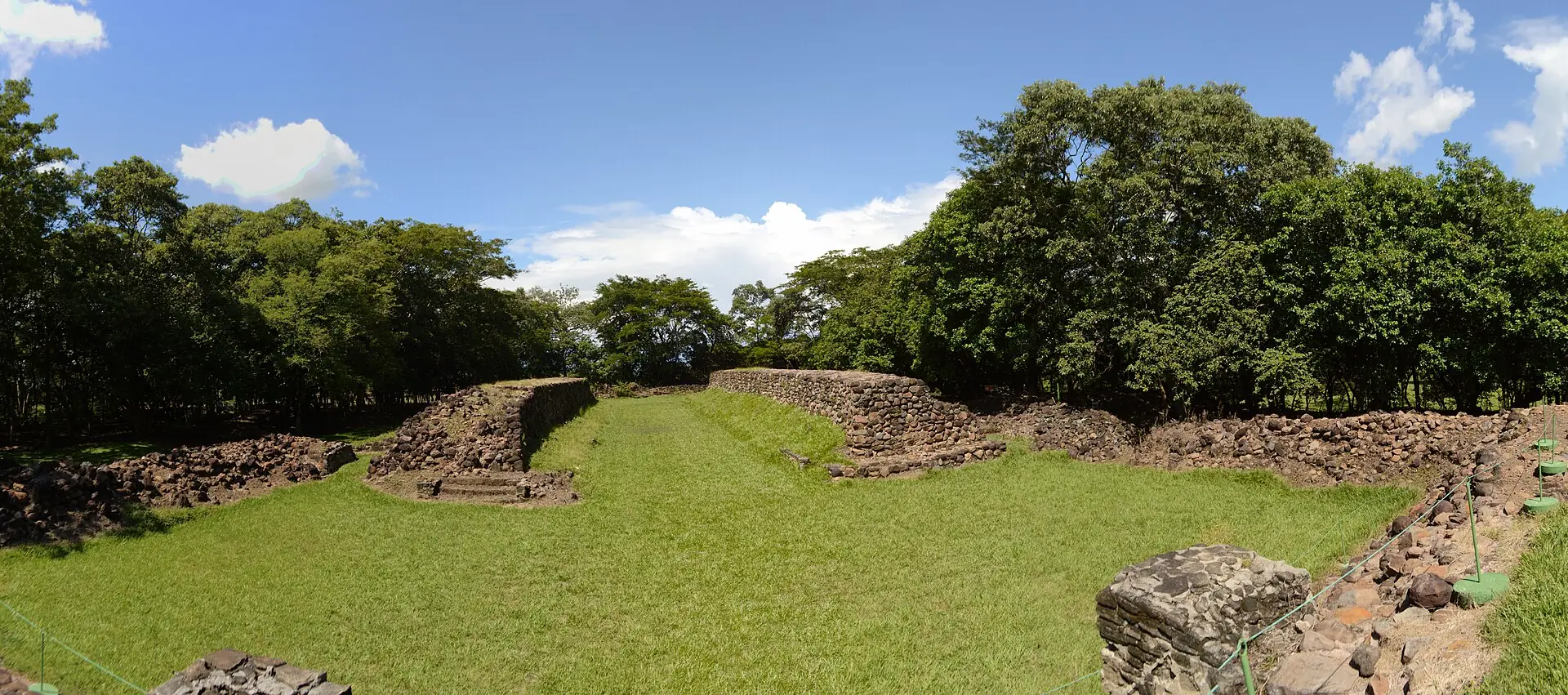
The Mesoamerican ballgame, with its ceremonial courts, was played in ancient El Salvador.
900 – 1523
Nahua-speaking Pipil, Lenca chiefdoms and the lordship of Cuzcatlan.
Nahua-speaking Pipil migrants founded Cihuatán and later the lordship of Cuzcatlan in the west and centre, rich in cacao around Izalco, while Lenca chiefdoms held the lands east of the Lempa.

The Nahua city of Cihuatán flourished from about 950 and was burned and abandoned around 1000.
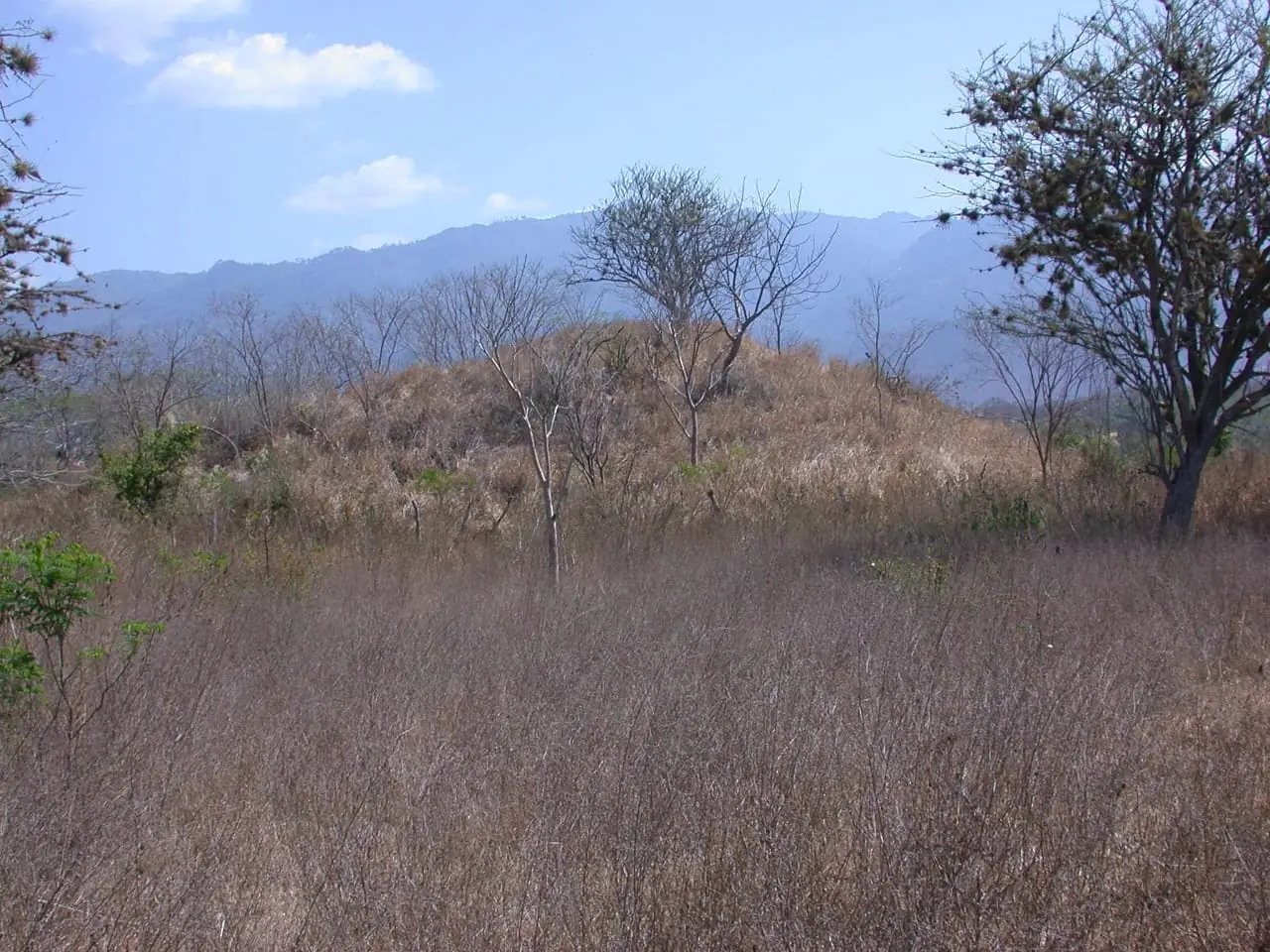
East of the Lempa the Lenca lived in chiefdoms with their own language and traditions.
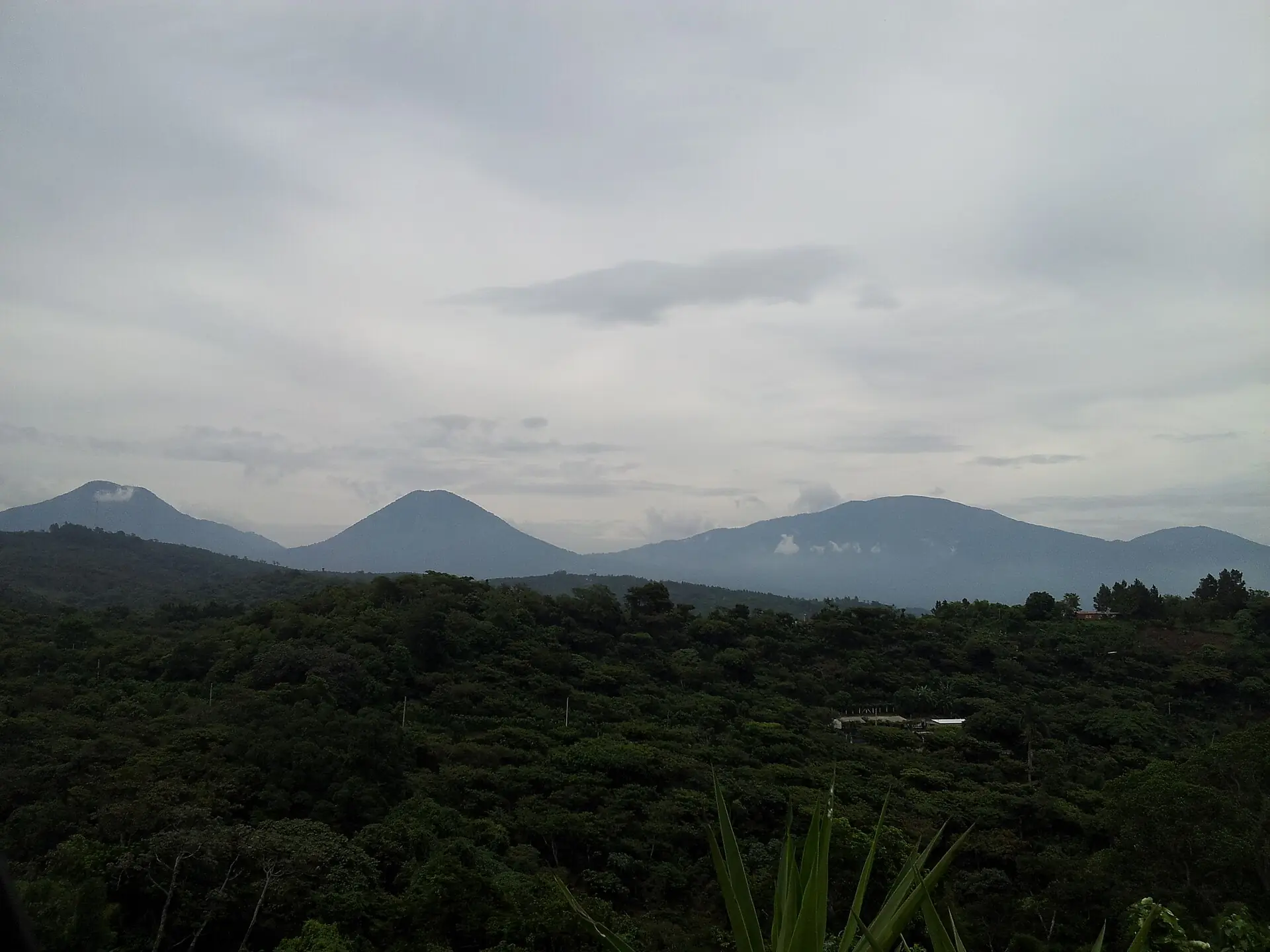
The cacao groves around Izalco made the area rich in the last centuries before the conquest.

1524 – 1579
Invasion, resistance and the founding of San Salvador.
Pedro de Alvarado's invasion of 1524, the battles of Acajutla and Tacuzcalco, years of Pipil and Lenca resistance, the founding of San Salvador and San Miguel, encomienda and the cacao boom of Sonsonate.

Six days after Acajutla, in June 1524, Spanish cavalry routed another large Pipil army near Tacuzcalco.

Gonzalo de Alvarado founded San Salvador in 1525, and in 1526 a Pipil uprising destroyed the town.

In 1537 the Lenca leader Lempira led a rising that besieged San Miguel and threatened the whole Spanish presence in the region.

In 1545 the town moved to the Valle de las Hamacas, the site of the capital today.

1580 – 1810
Indigo, earthquakes and the Bourbon reforms.
The Alcaldía Mayor and from 1785 the Intendancy of San Salvador within the Kingdom of Guatemala: indigo haciendas, earthquakes and eruptions, new towns such as San Vicente, and the Bourbon reforms.
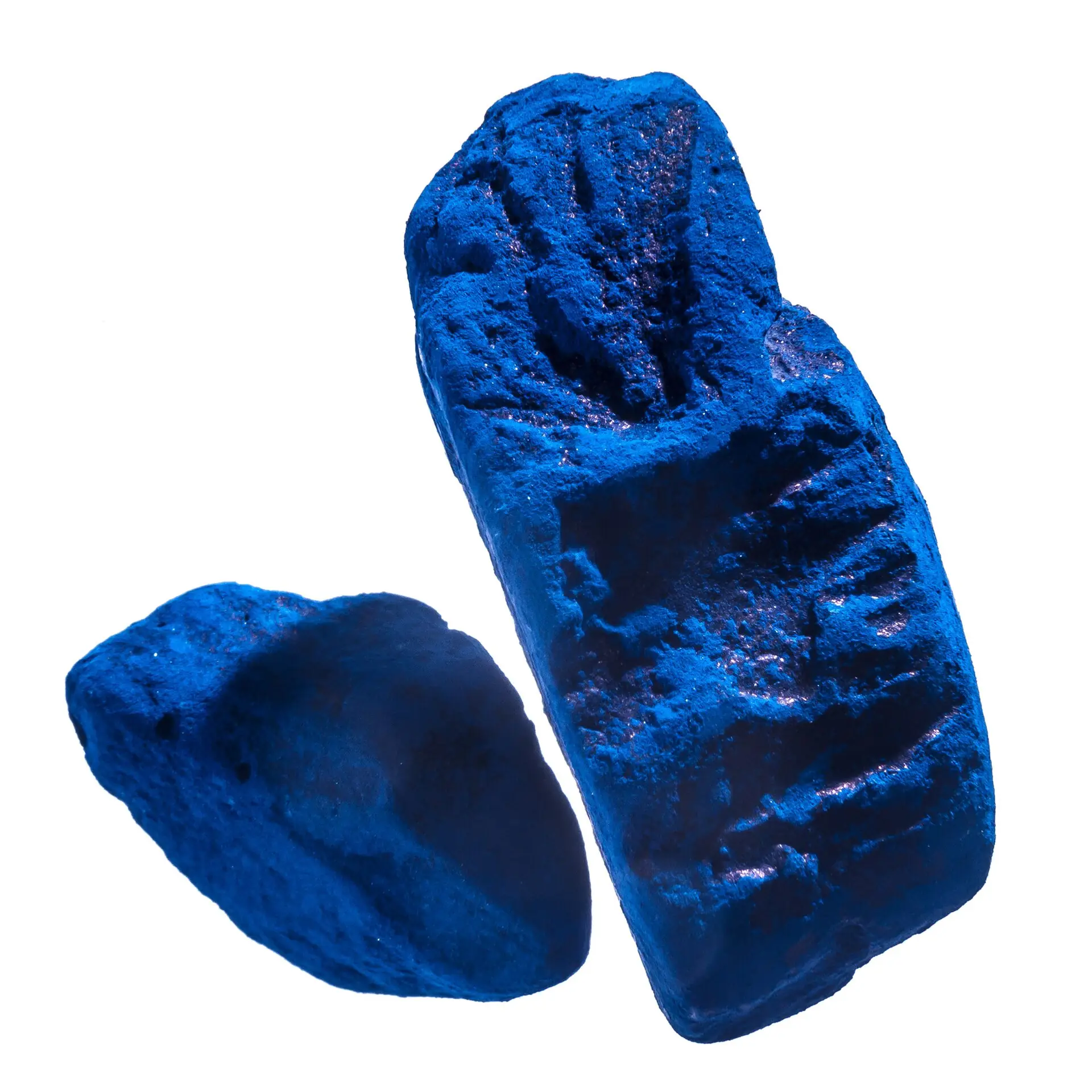
From about 1625 indigo dye became the main export of the province.

In 1770 a new volcano rose beside Izalco, and its fire guided sailors for the next two centuries.

Spanish and mixed-race settlers founded San Vicente on 26 December 1635, in the indigo country between the Jiboa and Lempa rivers.

1811 – 1840
From the first cry of 1811 to the end of the Federation.
The 1811 and 1814 uprisings, independence in 1821, resistance to annexation by Mexico, and the State of El Salvador in the Federal Republic of Central America, the cause of Francisco Morazán, until the federation's collapse.

On 5 November 1811 the priest José Matías Delgado, Manuel José Arce and their circle rose in San Salvador against the intendant, in the first revolt for independence in Central America.
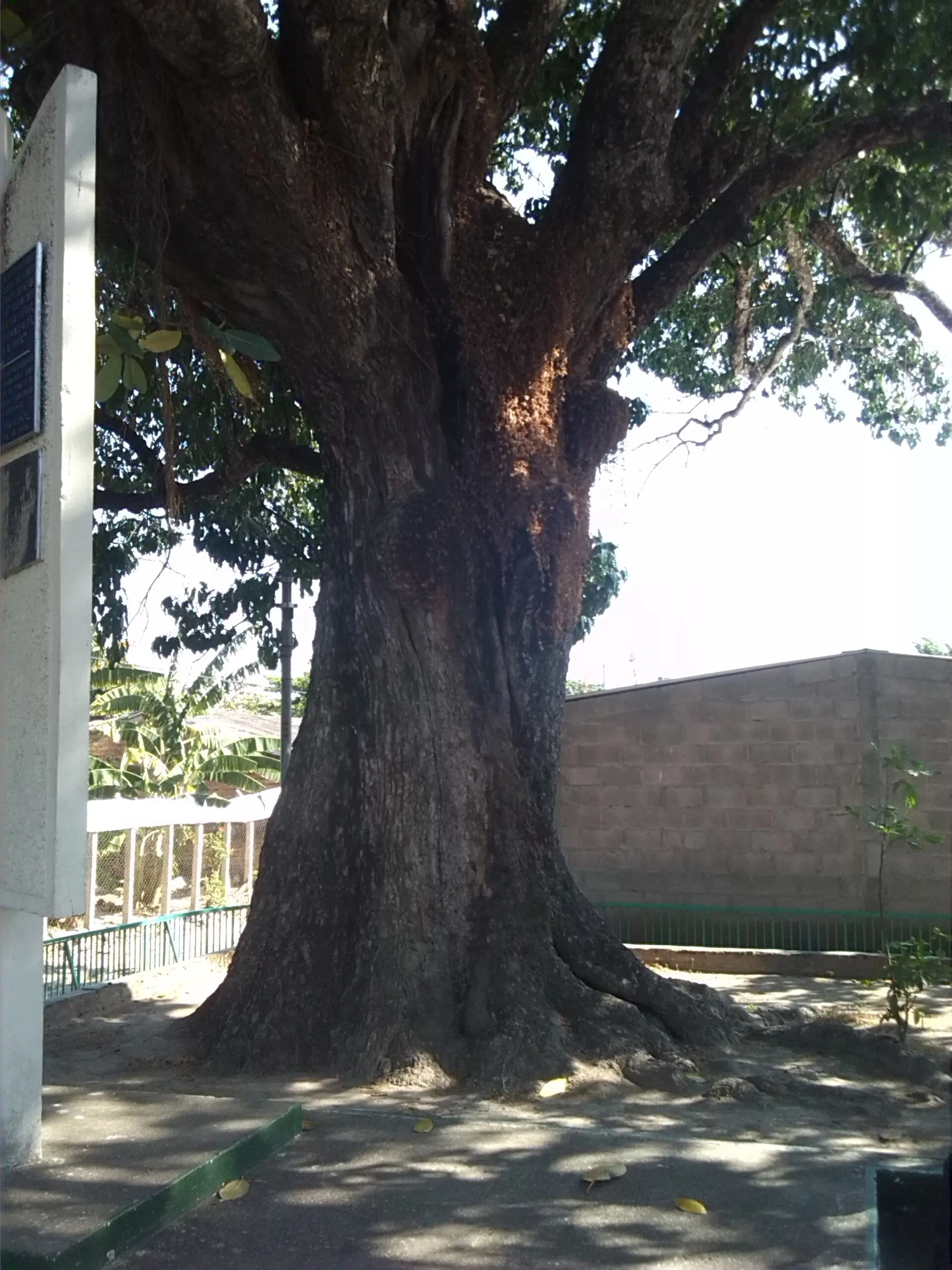
In January 1833 Anastasio Aquino, from Santiago Nonualco, raised thousands of indigenous peasants and captured San Vicente.

In 1838 Nicaragua, Honduras and Costa Rica left the union, and by 1839 the Federal Congress had dissolved, leaving Morazán and El Salvador to defend a dying republic.
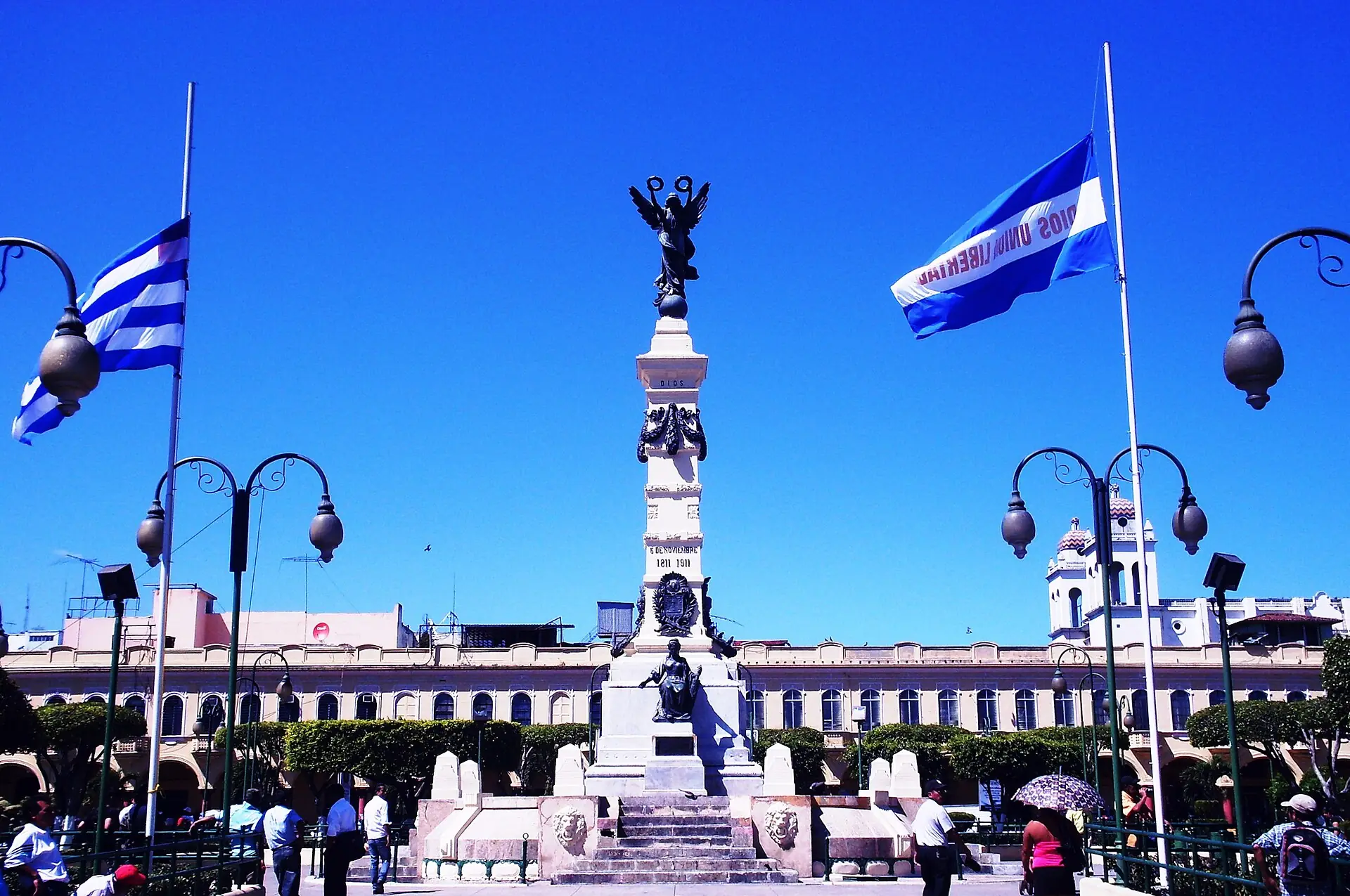
1841 – 1930
A sovereign republic, coffee and a landed elite.
A sovereign republic from 1841: wars with Guatemala and Honduras, the campaign against William Walker, Gerardo Barrios, the abolition of communal lands, coffee oligarchy and the Meléndez–Quiñónez family rule.

From about 1860 coffee displaced indigo as the main export and reshaped land, labour and politics.
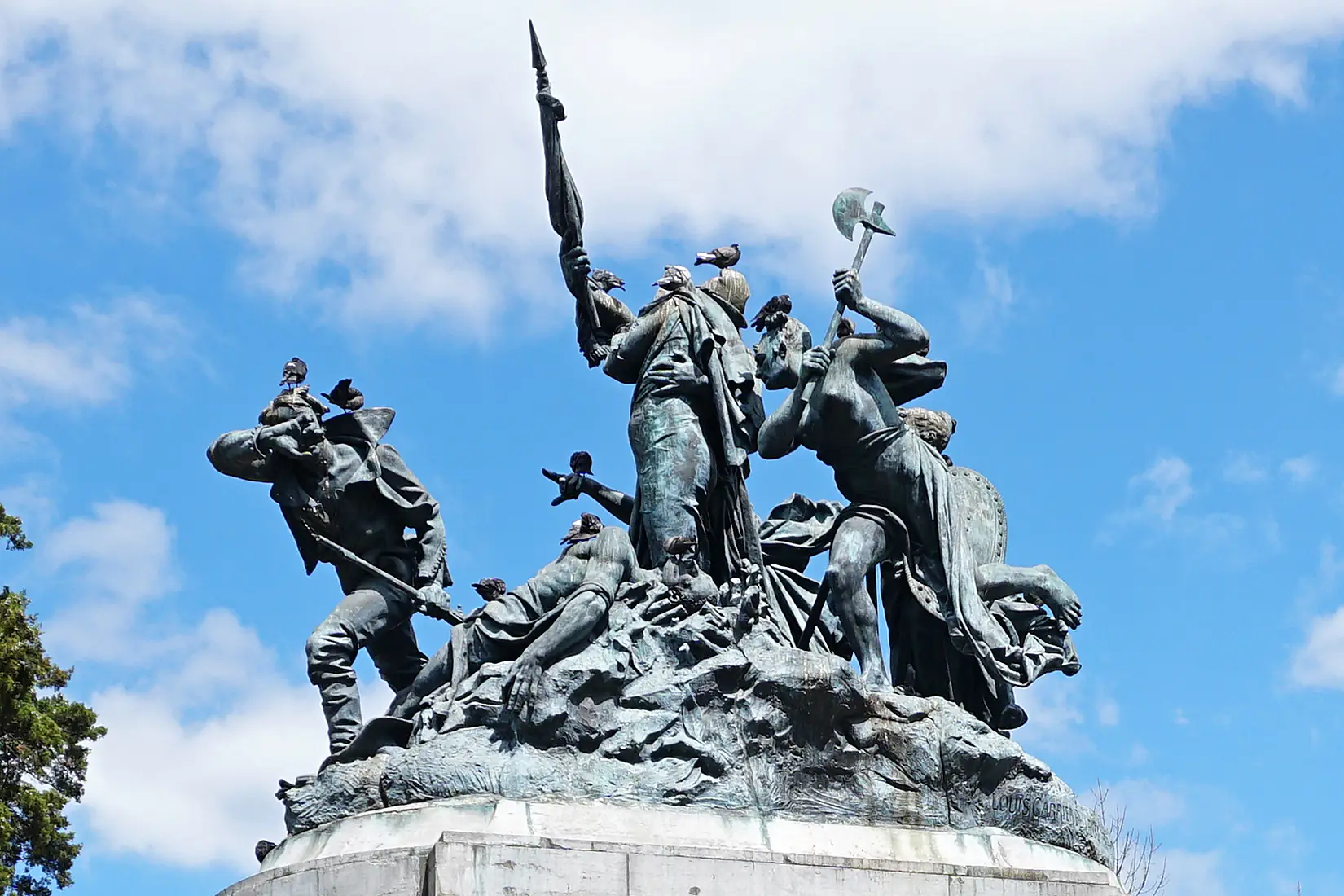
In 1856 Salvadoran troops joined the Central American army that drove the filibuster William Walker out of Nicaragua.

The decrees of 1881 and 1882 abolished the ejidos and the communal lands of indigenous villages, and the land passed to those with money and influence.
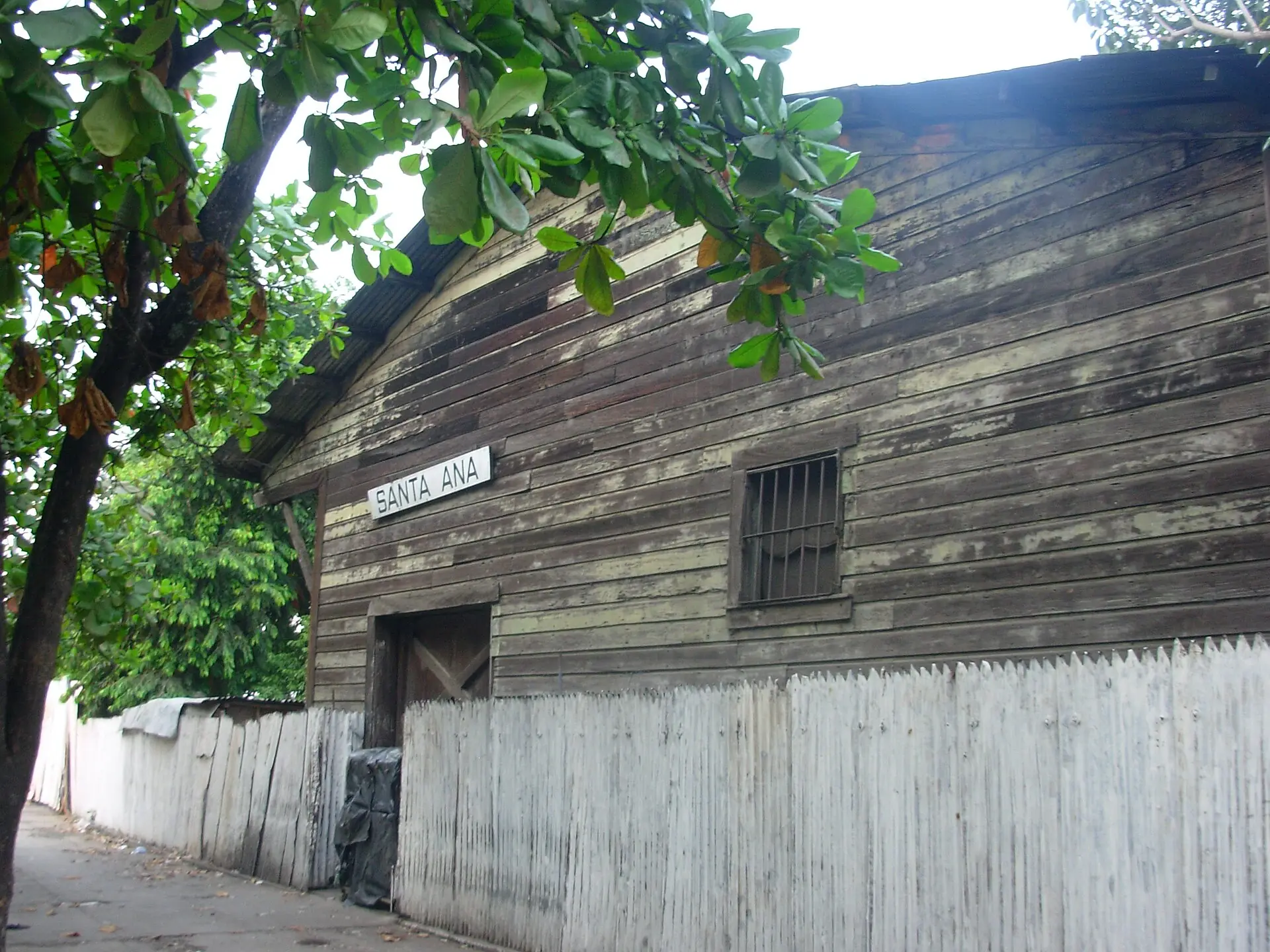
On 4 June 1882 a British company opened the first railway, from Sonsonate to the Pacific port of Acajutla.

1931 – 1978
Coups, a dictator and the roots of the civil war.
The 1931 coup and La Matanza of 1932, the dictatorship of Maximiliano Hernández Martínez, successive military-backed governments, the Football War of 1969 and the electoral frauds of 1972 and 1977.
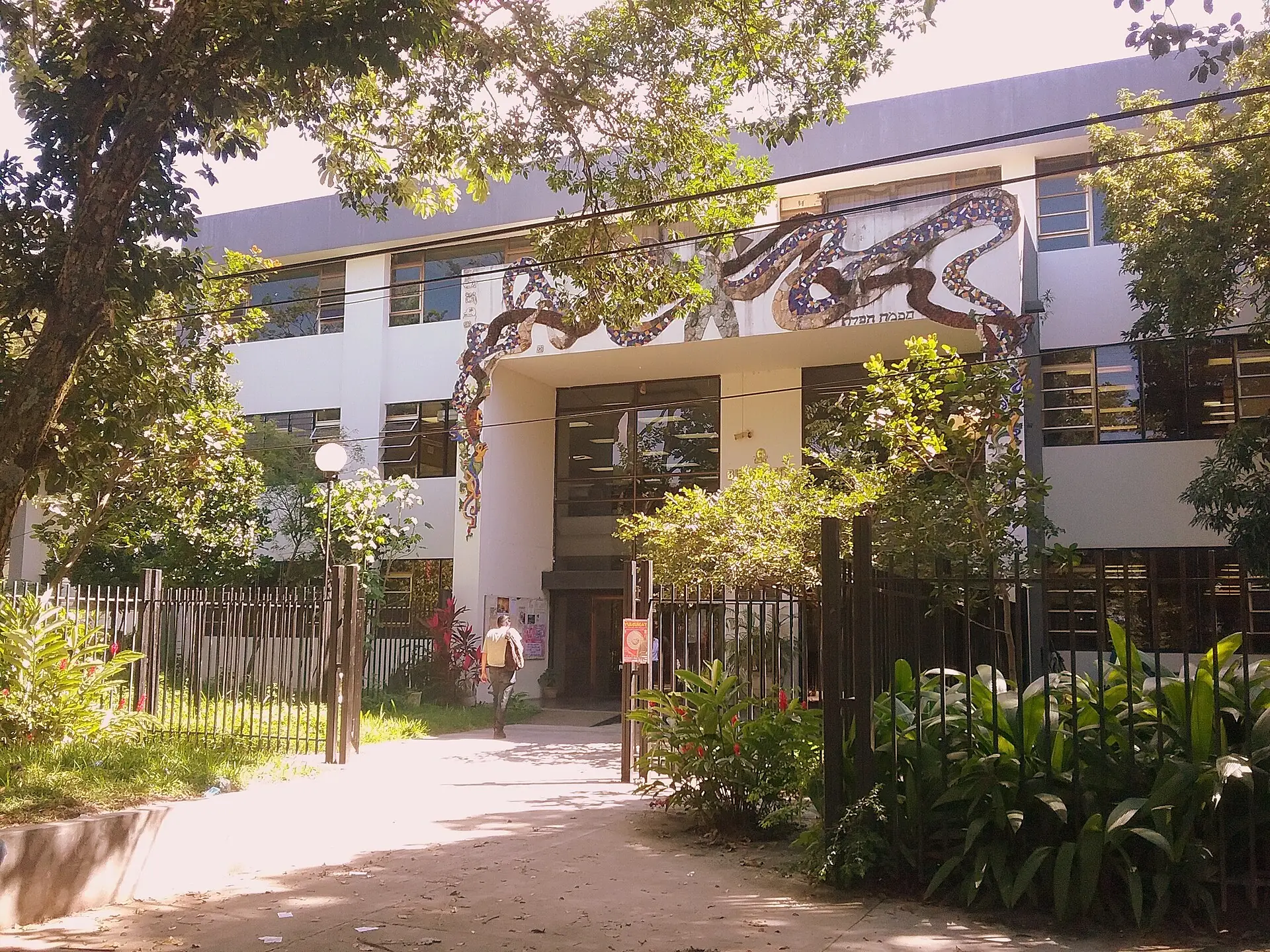
In May 1944 a civilian general strike forced the dictator Martínez to resign.
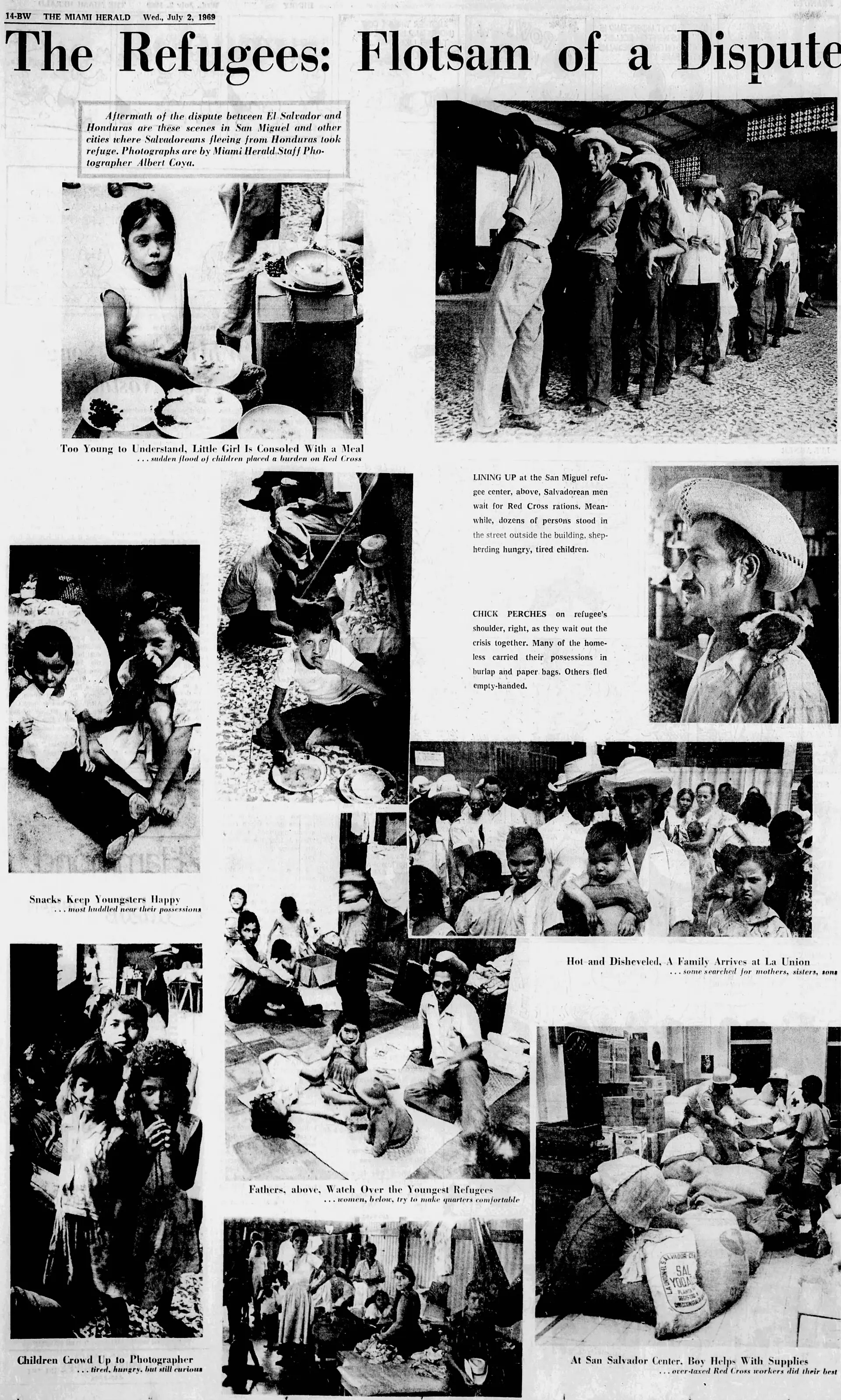
In July 1969, after World Cup qualifiers, El Salvador and Honduras fought a brief war.

In February 1972 the opposition candidate José Napoleón Duarte appeared to be ahead, but the official count gave the presidency to Colonel Arturo Armando Molina.
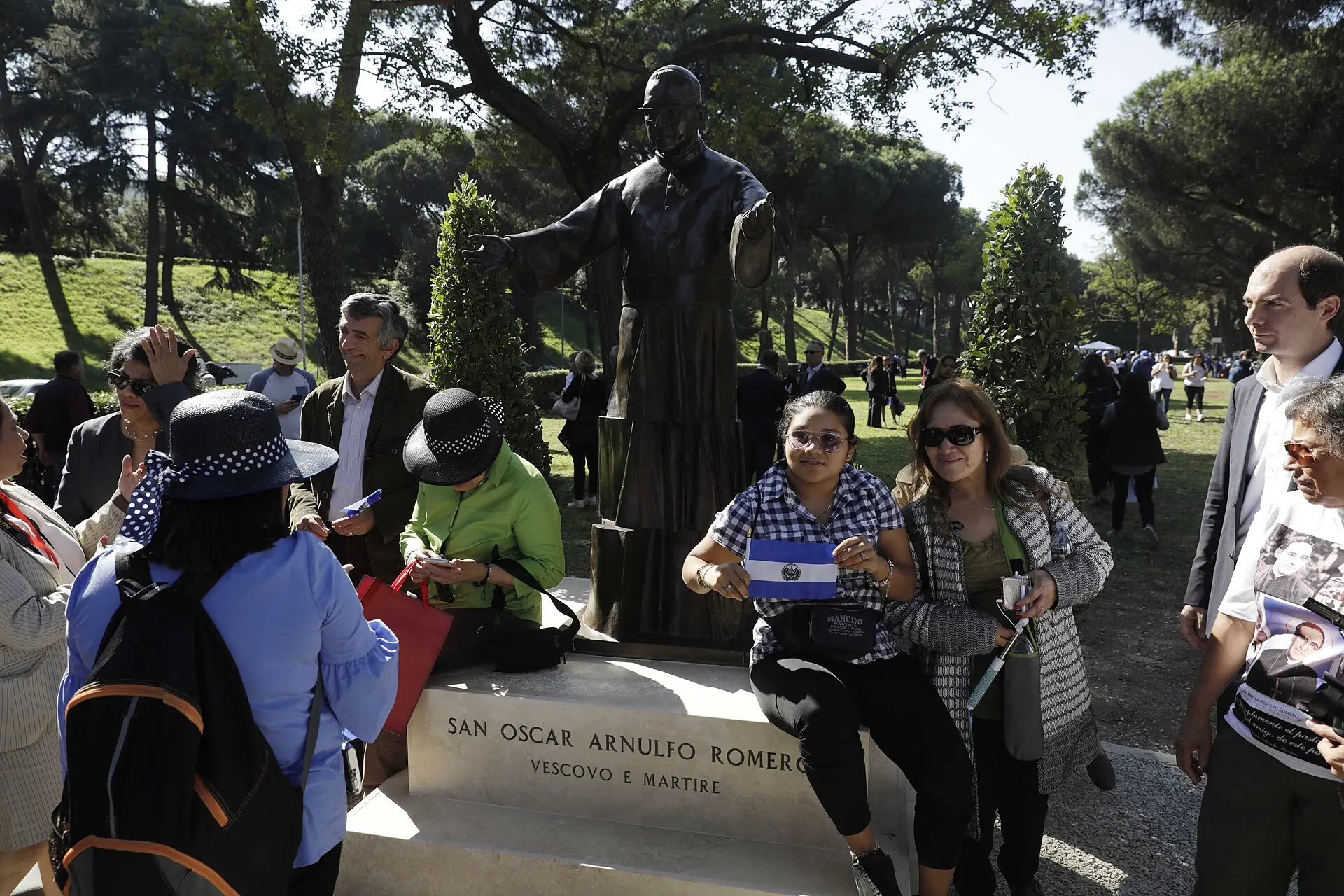
In 1977 Óscar Romero became Archbishop of San Salvador, and his voice for the victims of repression made him a leading figure in the years that followed.
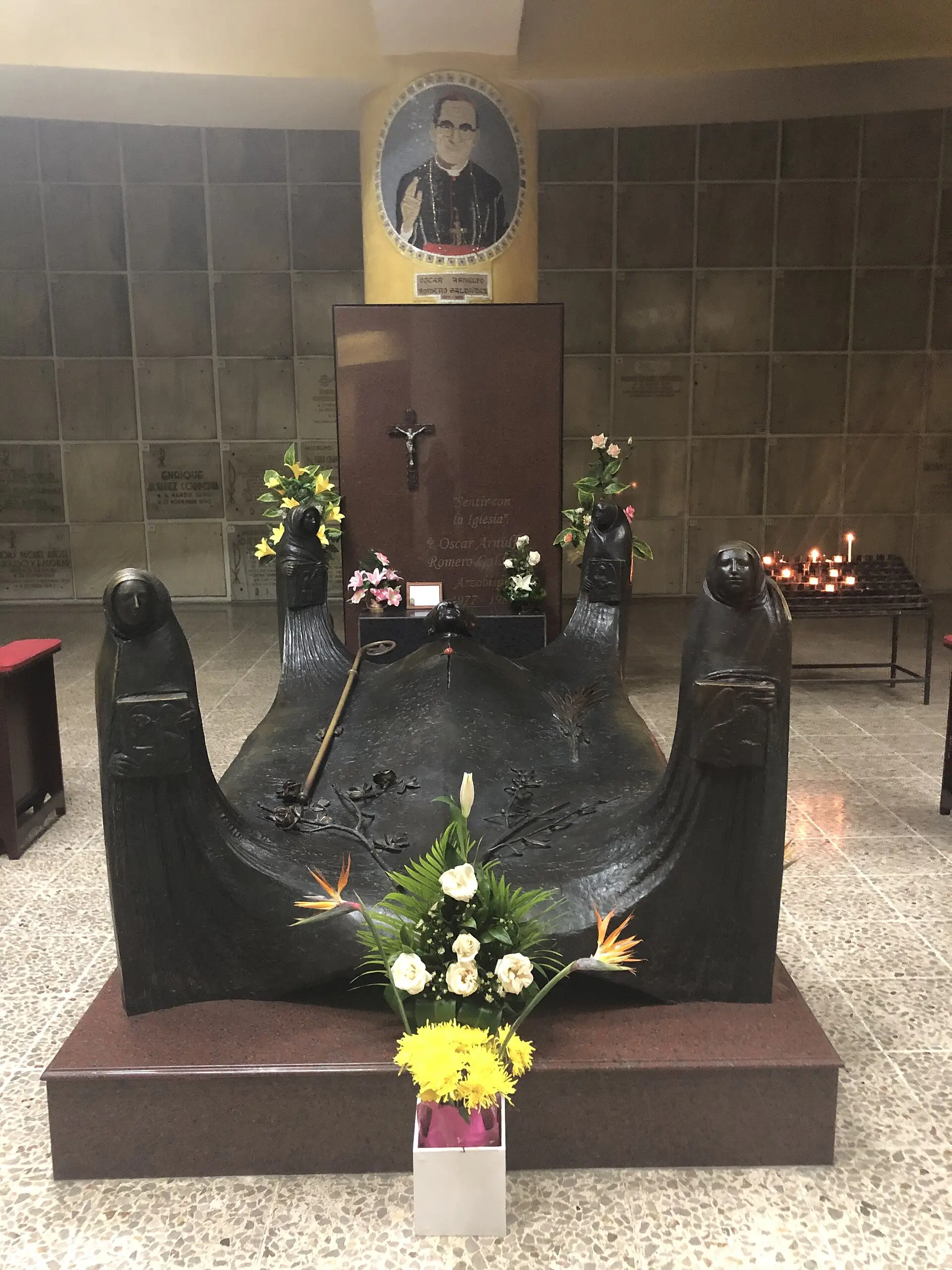
1979 – 1991
Twelve years of war between the army and the FMLN.
The 1979 coup and juntas, the assassination of Archbishop Óscar Romero, the twelve-year war between the armed forces and the FMLN, massacres such as El Mozote, US aid and the UN-mediated peace talks.
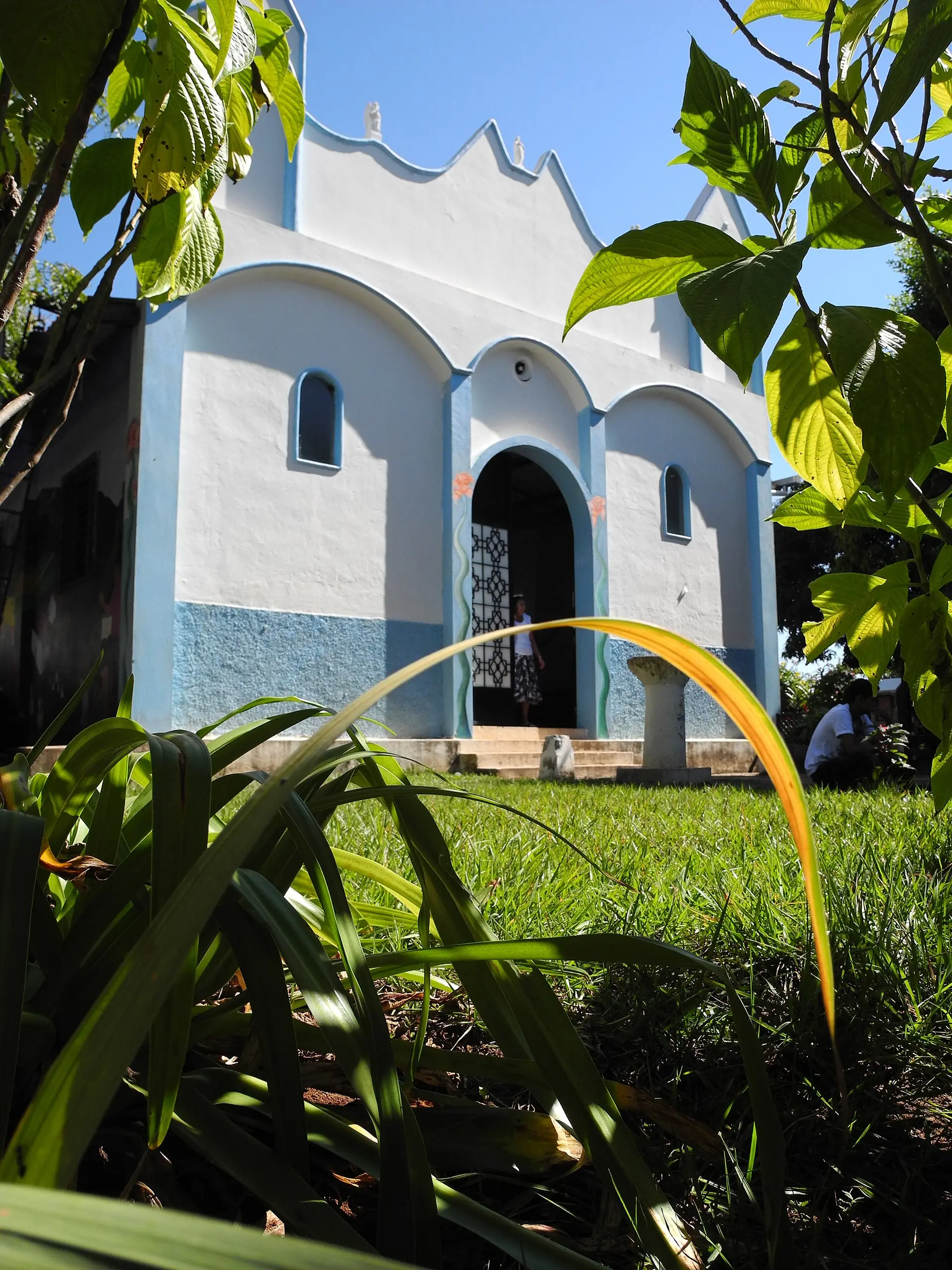
In December 1981 soldiers of the Atlacatl Battalion killed hundreds of villagers at El Mozote and nearby hamlets.
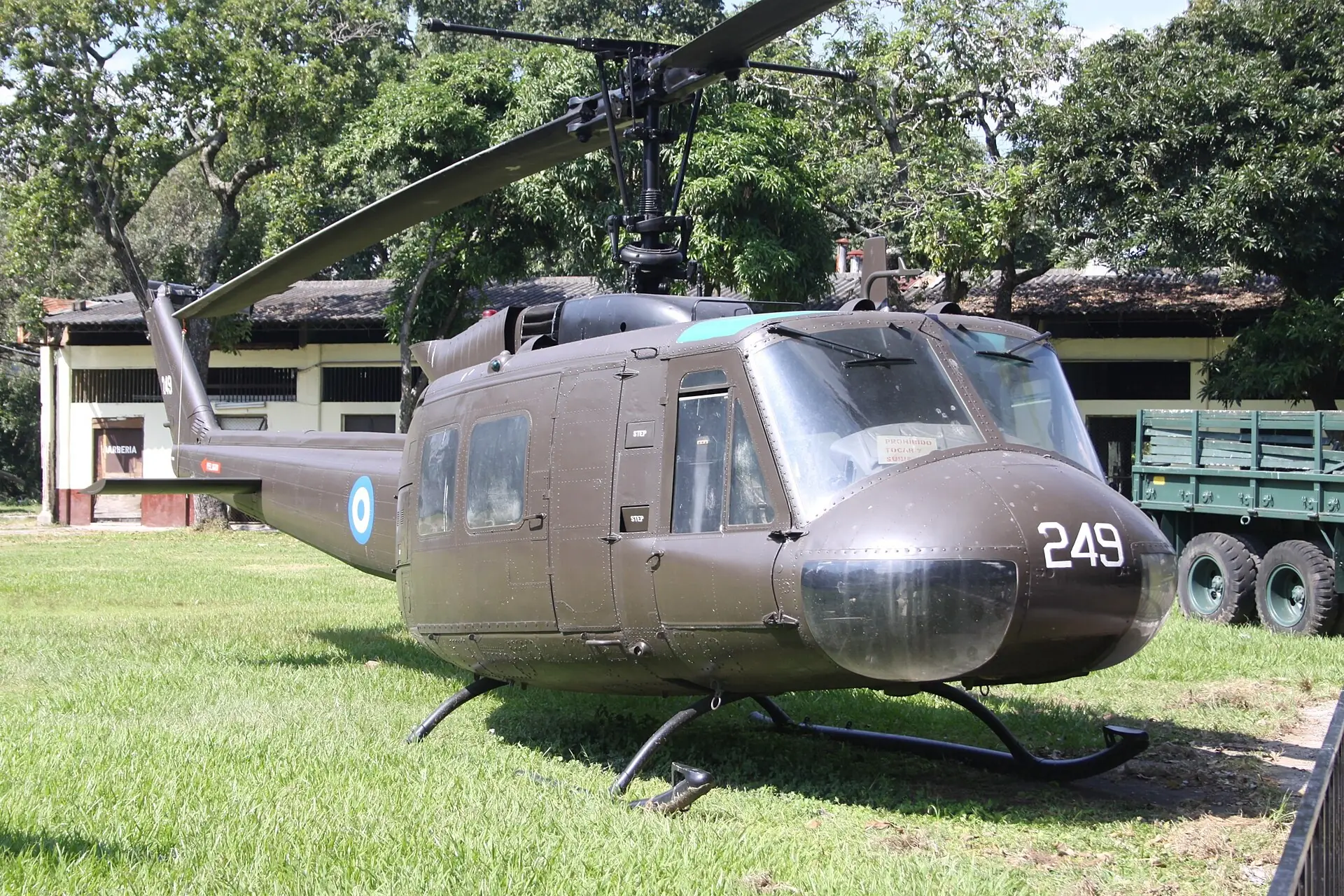
In November 1989 the FMLN attacked San Salvador, showing that neither side could win the war.

Soldiers murdered six Jesuit priests, their housekeeper and her daughter at the Central American University in 1989.
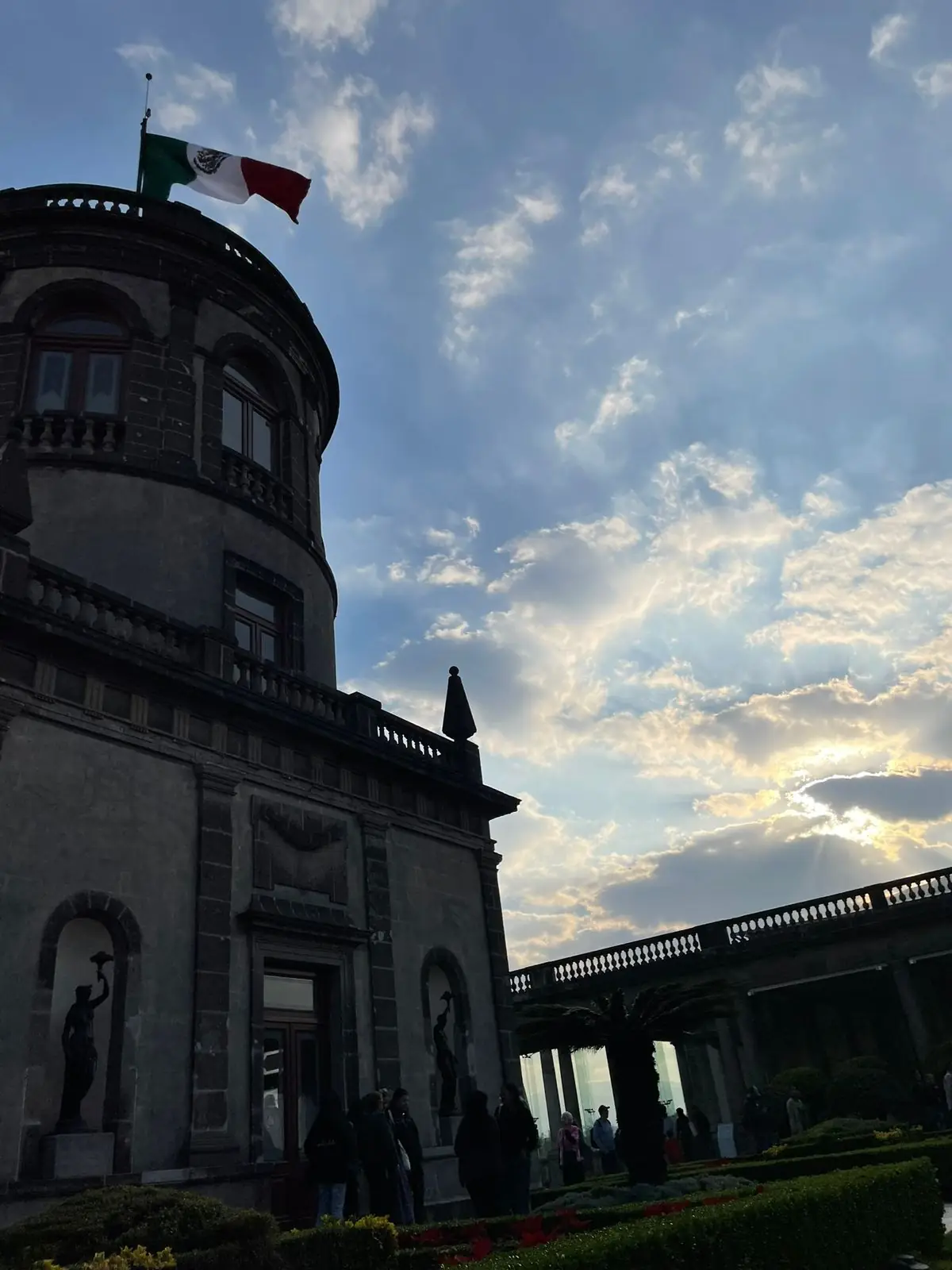
1992 – present
Peace, dollarisation and the Bukele era.
The Chapultepec Peace Accords, ARENA and FMLN governments, dollarisation, earthquakes and gang violence, then Nayib Bukele's presidency: the state of exception, Bitcoin and constitutional changes allowing indefinite re-election.

In 2001 the United States dollar became legal tender and the colón was withdrawn from use.
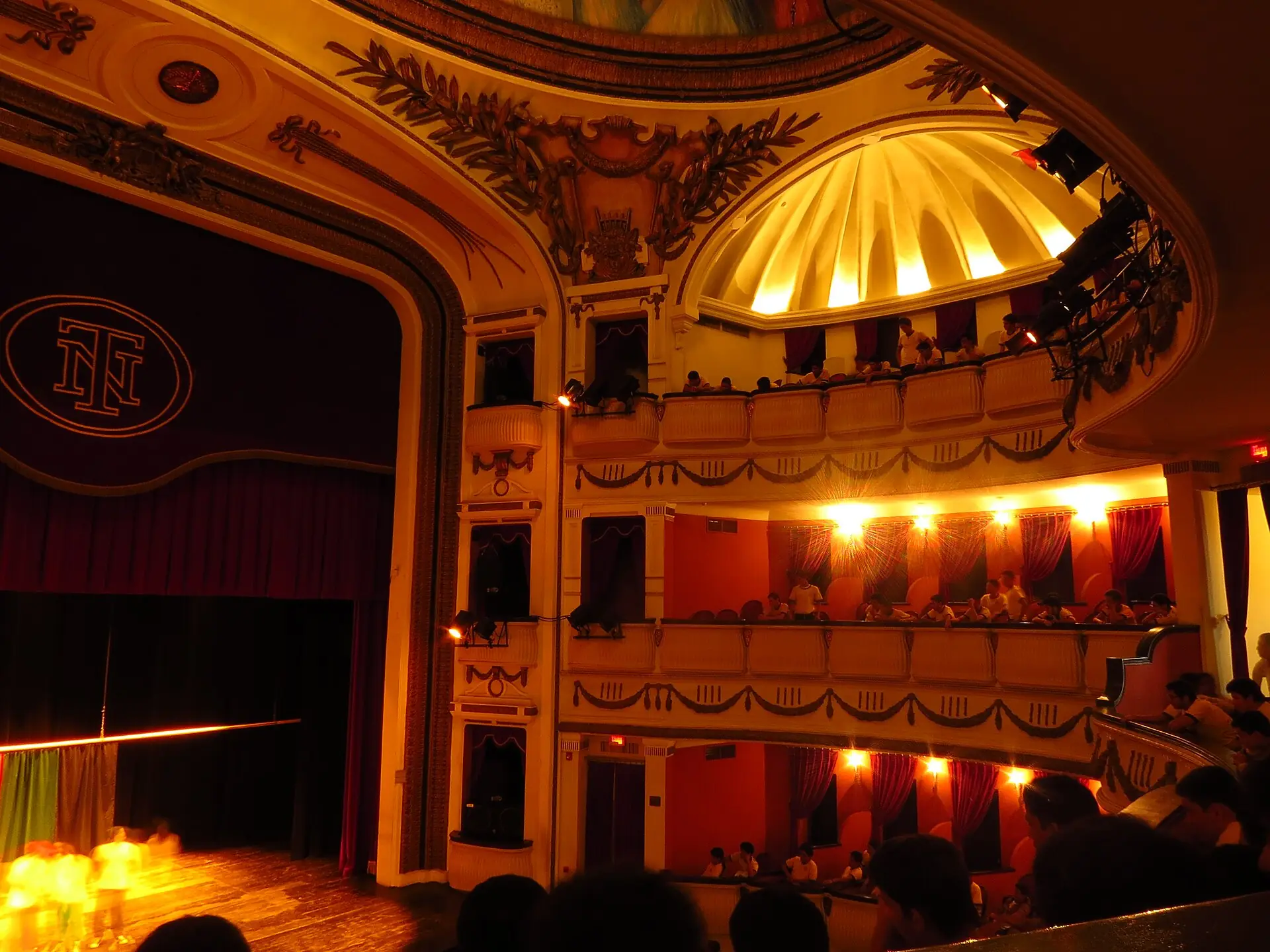
In 2019 Nayib Bukele won the presidency, ending the alternation of ARENA and the FMLN.
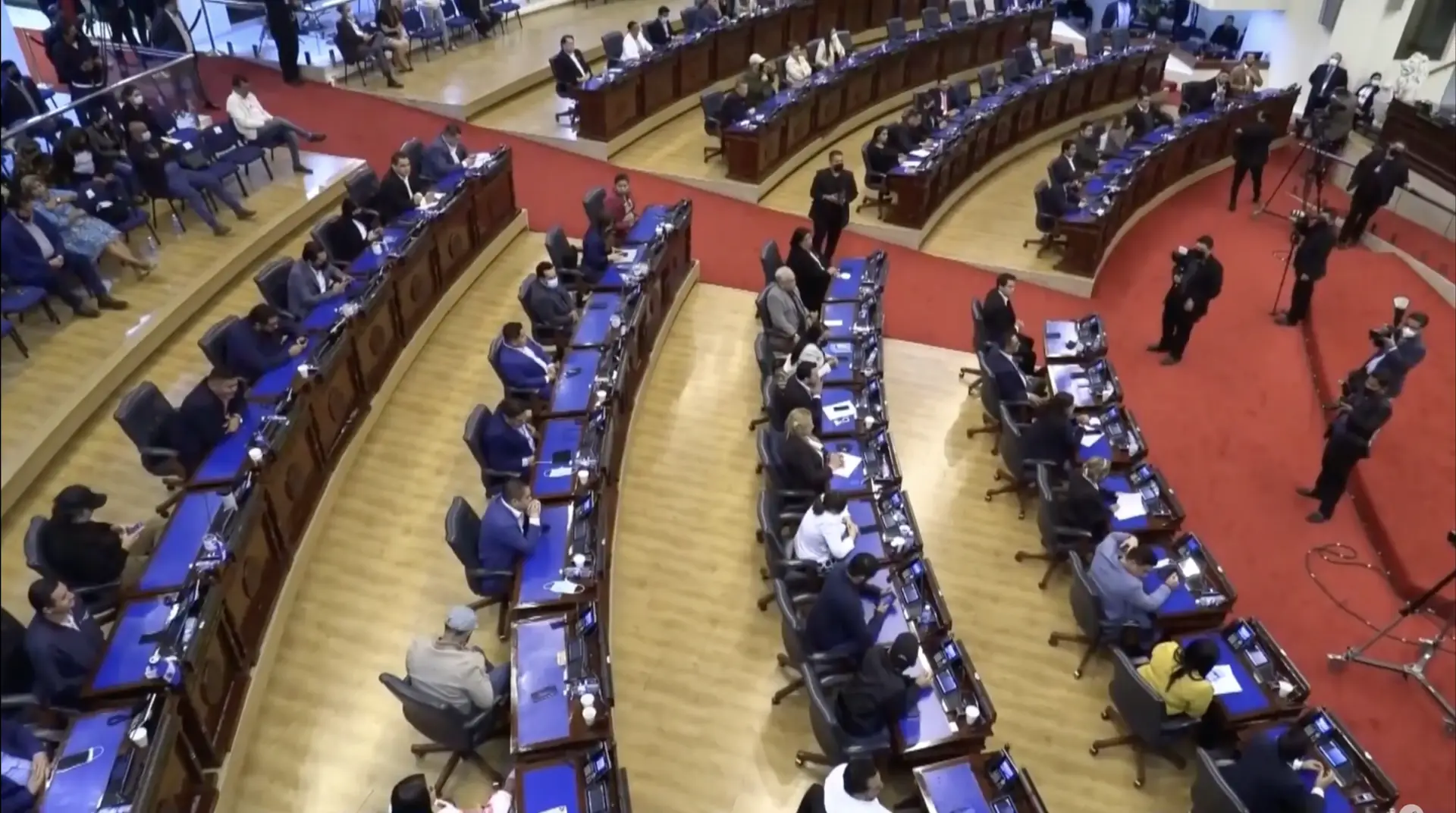
After a wave of killings in March 2022 the Assembly declared a state of exception that suspended some constitutional rights, and thousands were arrested.
Pipil lords, Spaniards, the Federation, coffee and the Republic – Prehistory to Today
From Preclassic Chalchuapa and the Ilopango eruption to Pipil Cuzcatlan, the Spanish conquest, indigo-era San Salvador, independence and the Central American Federation, the coffee republic, military rule, the civil war and the Bukele era.
If the page stays blank, the site doesn't allow embedding — use “Open in new tab”.
The deep past is still visible in the landscape. The ceremonial centres of Chalchuapa (Tazumal, El Trapiche, Casa Blanca), Quelepa and San Andrés, the ash-buried farming village of Joya de Cerén, a UNESCO World Heritage Site, and the Pipil language Nawat, which survives among a few speakers, recall peoples who lived long before the Spanish. The Ilopango eruption of about 431 and the volcanoes and earthquakes that destroyed San Salvador again and again, in 1575, 1594, 1854, 1917, 1965, 1986 and 2001, shaped where and how the Salvadorans built.
Spanish rule left the indigo economy, the Catholic church, the city founded at the Valle de las Hamacas in 1545 and a society divided between a landed elite and indigenous and mixed-race workers. The cry of 1811 and the Central American Federation gave El Salvador a liberal political tradition and a hero in Francisco Morazán, and the coffee republic that followed concentrated land in few hands after the communal lands were abolished in 1881–1882. The massacre of 1932 and five decades of military governments fed the grievances behind the civil war of 1979–1992, in which an estimated 75,000 people died, among them Archbishop Óscar Romero, canonised in 2018, and the victims of El Mozote.
The peace of 1992 created a civilian police and a multiparty system, but also left a legacy of emigration, remittances and gangs. Dollarisation in 2001, the alternation of ARENA and the FMLN, and since 2019 the presidency of Nayib Bukele, with its state of exception, the Bitcoin experiment and the constitutional reform allowing indefinite re-election, make the country a subject of debate about security, rights and democracy.
Events and ruler profiles retain the references supplied with the dataset: English Wikipedia, Encyclopaedia Britannica, the Library of Congress country study, UNESCO, the Smithsonian Global Volcanism Program, the UN Truth Commission report and news agencies for 2024–2026. Wikipedia titles were checked through the MediaWiki API and a second pass re-checked the events from 2020, the rulers from 1821 and all the facts. Structural and display checks do not establish historical accuracy. The research report records contested dates, single-source events and gaps; recent events remain subject to revision.
The map draws the 14 departments of El Salvador, Ocotepeque and the neighbouring countries from Natural Earth (public domain), simplified and projected on a Lambert azimuthal equal-area projection centred on El Salvador. Present-day outlines stand in for historical units, so pre-Hispanic and colonial boundaries are indicative only, lighter shading marks partial, nominal, contested or occupied control, and the border adjustments of the 1992 ICJ judgment are too small to show.
The Ilopango eruption is dated to about 431, with older proposals mentioned in the event text; Joya de Cerén was buried about 600 (some studies about 630); the existence of Atlacatl is doubted by many historians; estimates of the dead of La Matanza in 1932 range from about 10,000 to 40,000. Population figures are national census counts from 1930 to 2024; no attributed figures exist before 1930, so the map badge shows none for earlier periods.
Images are pending; this microsite uses a gradient and a generic ruler placeholder.
History is connected. Explore the bigger picture.
AllHistories is an independent visual history project designed to make the past easier to understand, explore, and connect.
History is more than a collection of dates, rulers, and battles. Events rarely happen in isolation. Borders shift, civilizations influence one another, ideas spread, and decisions made centuries ago continue to shape the world today.
Through interactive timelines, historical maps, and visual storytelling, AllHistories helps uncover these connections and makes complex historical subjects more accessible and engaging.
Travel through centuries, discover turning points, and understand how historical events unfold and connect.
Explore how borders, civilizations, populations, trade routes, beliefs, and spheres of influence have changed over time.
Go beyond dates and discover the individuals, places, decisions, and circumstances behind historical developments.
Explore connections between countries, empires, civilizations, and historical themes to better understand cause and consequence.
Features vary depending on the historical subject.
AllHistories draws on historical research, published references, public archives, and available historical datasets. The information is organized and presented through interactive digital experiences.
History is not always certain or universally agreed upon. Dates, territorial boundaries, population figures, and interpretations may differ between sources. Some information is necessarily simplified or estimated for visual presentation.
The goal is to encourage curiosity and independent exploration, not to replace academic publications or specialist historical research.
When you visit AllHistories, the web server may process technical information such as your IP address, requested pages, browser details and access times to deliver pages and maintain the service.
Some pages load Google Analytics, Google Fonts, externally hosted images, maps or other third-party resources. Requests to these providers can transmit technical information, including your IP address. Contact forms may use Google reCAPTCHA to help prevent abuse. These providers apply their own privacy policies.
The website uses browser storage for preferences such as the selected theme. Country microsites also use a session cookie to support website functionality, including request protection. Analytics or other third-party services may use additional cookies or storage, depending on the page and your browser settings.
When you submit a correction or contact form, the information you provide, such as your name, email address and message, is processed to review and respond to your request. Please avoid including sensitive personal information.
You can manage cookies and site storage in your browser and control third-party requests through browser privacy settings. For privacy questions or requests concerning information you submitted, use the contact option on the microsite where you sent it.
Links to sources and other websites take you to services with their own privacy practices. Review their policies before providing personal information.
AllHistories provides historical information for general education and exploration. Its content is not professional, legal, financial or other specialist advice.
We aim to present useful, well-sourced summaries, but cannot guarantee that every date, statement, translation or interpretation is complete or accurate. Verify important claims against the cited sources and relevant scholarship. Content may be corrected or updated.
Maps are simplified historical illustrations. Borders, place names and territorial labels may vary by period and source. Their appearance does not express a position on sovereignty or present-day territorial disputes.
Images and source material may belong to their respective creators or rights holders. Consult the image credit, source page and license before reusing material. A link or credit does not grant additional reuse rights.
External links are provided for reference. AllHistories does not control the content, availability or policies of third-party websites.
To report an error or a concern about credited material, use the contact option on the relevant country microsite and identify the page, material and supporting details.
Heritage · Preclassic period
Did you know that Chalchuapa, whose Nahuatl name means 'Jade River', holds five ceremonial centres, including Tazumal, Pampe, Trapiche, Casa Blanca and Las Victorias, packed into roughly six square kilometres of western El Salvador?
Heritage · Preclassic period
Did you know that the Gruta del Espíritu Santo near Corinto in Morazán is a registered national monument of petroglyphs, and archaeologist Wolfgang Haberland's 1970s studies placed its rock art in the pre-Classic stage?
Heritage · c. 400 BC
Did you know that Quelepa, an archaeological site in eastern El Salvador founded around 400 BC, rebuilt its plaster-and-pumice platform several times, and its inhabitants lived on subsistence farming with grinding stones and flat comales?
Language · Late Preclassic
Did you know that 'Quelepa' means 'stone jaguar' in the Lenca language, probably after the large Jaguar Altar found at the site, one of the clearest traces of Lenca-speaking peoples in eastern El Salvador?
Records · c. 431 CE
Did you know that around 431 CE the Ilopango caldera produced the Tierra Blanca Joven eruption, one of the largest of the last 2,000 years in the Americas, and ash blanketed much of El Salvador, forcing mass abandonment of the region?
Myth or fact · 536 CE
Did you know that Ilopango was once blamed for the global cooling of 536 CE, but later radiocarbon dating put its eruption about a century earlier, and ice-core evidence points instead to a different volcanic eruption?
Heritage · c. 600 CE
Did you know that around 600 CE a volcanic eruption from Loma Caldera buried the farming village of Joya de Cerén under ash, preserving houses, tools and even stored food, which earned it the nickname 'Pompeii of the Americas'?
Science · c. 600 CE
Did you know that ridged fields of manioc (cassava) preserved under the ash at Joya de Cerén are among the earliest known evidence of cultivated manioc in the Americas, showing what ordinary Maya farmers actually ate?
Heritage · c. 8th century
Did you know that Tazumal, the best-known Maya pyramid complex in El Salvador, stands in Chalchuapa and was occupied for over a thousand years, with Maya and later central Mexican influences visible in its architecture?
Heritage · c. 950 CE
Did you know that Cihuatán, a large Early Postclassic city in central El Salvador dating to roughly AD 950 to 1200, sits at the southernmost edge of the Mesoamerican cultural area and was linked to Nahua-speaking migrants?
Heritage · c. 1200
Did you know that the Pipil, Nawat-speaking descendants of Nahua migrants, named their lands Cuscatlán, usually translated as 'Land of Precious Jewels', the name Salvadorans still use poetically for their country today?
Language · 15th century
Did you know that the Lenca of eastern El Salvador spoke a language family unrelated to the Nawat of their Pipil neighbours, and the Salvadoran variety of Lenca died out in the 20th century?
Economy · c. 1500
Did you know that the Izalco area was the cacao heartland of the Pipil, and cacao beans served as currency there, so that on the eve of Spanish arrival chocolate was literally money in western El Salvador?
Firsts · 1522
Did you know that in 1522 Gil González Dávila and Andrés Niño reached the Gulf of Fonseca, naming it after the Spanish bishop Juan Rodríguez de Fonseca, making it the first European contact with what is now El Salvador?
Firsts · 1524
Did you know that in 1524 Pedro de Alvarado's first invasion of Cuscatlán ran into Pipil resistance, and he was wounded and withdrew to Guatemala, leaving conquest unfinished until his brother's 1525 campaign?
Myth or fact · 1525
Did you know that Atlacatl, the celebrated Pipil chief said to have resisted the Spanish, is known from no contemporary source, yet the army's elite Atlacatl Battalion, notorious in the civil war, bore his name?
Firsts · 1530
Did you know that Spanish colonists founded San Miguel in 1530 under Luis de Moscoso Alvarado, making it one of the oldest cities of El Salvador and a key eastern outpost far from the capital?
Geography · 1545
Did you know that San Salvador was founded in 1525 but moved several times, and its eventual valley site was nicknamed Valle de las Hamacas, 'Valley of the Hammocks', because earthquakes so often rocked the settlement?
Economy · 17th century
Did you know that the balm sold as 'Balsam of Peru' actually came from El Salvador's Costa del Bálsamo and got its name because it was shipped to Europe through Peru's port of Callao?
Economy · 18th century
Did you know that indigo, called añil, was colonial El Salvador's dominant export for centuries, with Salvadoran dyers prized across Europe, until synthetic dyes and coffee ended its reign?
Nature · 1770
Did you know that Izalco volcano burst into existence in 1770 and erupted almost continuously for nearly two centuries, so sailors called it the 'Lighthouse of the Pacific' until it fell quiet in 1958?
Firsts · 17 Sep 1785
Did you know that on 17 September 1785 the Spanish Crown created the Intendancy of San Salvador as part of Bourbon reforms, giving the province administrative borders that foreshadowed the modern country?
Firsts · 5 Nov 1811
Did you know that on 5 November 1811 priests including José Matías Delgado rang church bells in San Salvador to start the Primer Grito, the first call for independence in Central America, a decade before it was won?
Firsts · Dec 1822
Did you know that in December 1822 El Salvador's congress voted to petition the United States for annexation, partly to escape absorption by Mexico's Empire, though Washington never acted on the request?
Firsts · 1825
Did you know that Manuel José Arce, a Salvadoran, became the first president of the Federal Republic of Central America in 1825, and later fell out with his own liberal allies, helping to spark the federation's civil war?
Society · 1833
Did you know that in 1833 Anastasio Aquino, a Nonualco indigenous leader, led an uprising against taxes and forced labour, was crowned with a saint's silver crown, and was executed within months?
Society · 1839
Did you know that Honduran-born Francisco Morazán, the federation's last great champion, served as head of state of El Salvador in 1839 and made San Salvador his base before the federation dissolved?
Geography · 1854
Did you know that after a devastating earthquake in April 1854 destroyed San Salvador, the government relocated and Nueva San Salvador, today's Santa Tecla, was founded on safer ground nearby?
Firsts · 1856-1857
Did you know that El Salvador sent troops to the Central American coalition that expelled William Walker, the American filibuster who made himself president of Nicaragua in 1856, and Walker was executed in Honduras in 1860?
Economy · 1881-1882
Did you know that in 1881 and 1882 laws abolished communal and ejido lands, handing large areas to coffee growers, a change that concentrated land and later fed the grievances behind 1932's revolt?
Firsts · 2 Apr 1885
Did you know that Guatemalan president Justo Rufino Barrios was killed on 2 April 1885 at the battle of Chalchuapa while trying to force Central American union by arms, and El Salvador's army won?
Firsts · 1895-1898
Did you know that between 1895 and 1898 El Salvador, Honduras and Nicaragua formed the Greater Republic of Central America, a short-lived union that collapsed after a coup in El Salvador?
Nature · 7 Jun 1917
Did you know that on 7 June 1917 a strong earthquake and an eruption of San Salvador volcano struck almost simultaneously, wrecking much of the capital and prompting a major rebuild?
Myth or fact · Dec 1931
Did you know that in December 1931 General Maximiliano Hernández Martínez seized power, ruling until 1944 and reportedly ordering street lamps wrapped in red paper during an epidemic to fight disease?
Society · Jan 1932
Did you know that La Matanza, the 1932 army crackdown after a peasant and indigenous uprising, killed an estimated 10,000 to 40,000 people and pushed many survivors to abandon indigenous dress and the Nawat language?
Society · May 1944
Did you know that in 1944 a general strike called the 'strike of fallen arms' toppled the dictator Martínez after thirteen years, with no weapons used by the protesters themselves?
Science · 1949
Did you know that the Pacas coffee variety, a natural mutation of Bourbon, was found on the Pacas family farm in Santa Ana in 1949 and is now grown across Central America?
Records · 14-20 Jul 1969
Did you know that the Football War of July 1969 between El Salvador and Honduras lasted only about 100 hours, yet killed thousands and was triggered by World Cup qualifiers plus land and migration disputes?
Sport · 1970
Did you know that El Salvador's first World Cup appearance came in 1970 after beating Honduras in a play-off, but the team lost all three matches without scoring a single goal?
Science · 1976
Did you know that a bulldozer levelling land for grain silos in 1976 accidentally uncovered Joya de Cerén, which archaeologists then recognised as a perfectly preserved Maya farming village beneath volcanic ash?
Society · 24 Mar 1980
Did you know that Archbishop Óscar Romero was shot dead while saying Mass in a hospital chapel on 24 March 1980, a day after calling on soldiers to disobey orders to kill their fellow peasants?
Society · Dec 1981
Did you know that Rufina Amaya survived the December 1981 El Mozote massacre by hiding in the brush, and her testimony helped expose the killing of hundreds of villagers by the army's Atlacatl Battalion?
Records · 15 Jun 1982
Did you know that Hungary beat El Salvador 10-1 at the 1982 World Cup, still the joint-largest winning margin in World Cup finals history, with substitute László Kiss scoring a hat-trick in just seven minutes?
Society · 1980s
Did you know that Salvadoran refugees in Los Angeles during the civil war era helped form the gang MS-13, which later spread to Central America after deportations and fed El Salvador's gang crisis?
Society · 16 Nov 1989
Did you know that in November 1989 soldiers killed six Jesuit priests, their housekeeper and her daughter at San Salvador's Central American University, a crime that shifted US support away from the military?
Firsts · 31 Dec 1991
Did you know that the war ended after a United Nations-brokered deal reached in New York on 31 December 1991, just hours before Secretary-General Pérez de Cuéllar's term expired, after about 75,000 deaths?
Firsts · 1993
Did you know that Joya de Cerén, listed by UNESCO in 1993, remains the only World Heritage Site in El Salvador, and its ordinary households reveal far more about commoners' lives than temples or royal tombs ever could?
Economy · 1 Jan 2001
Did you know that on 1 January 2001 El Salvador adopted the US dollar as legal currency at a fixed 8.75 colones per dollar, becoming one of the few countries to dollarise outright?
Firsts · 14 Oct 2018
Did you know that Pope Francis canonised Óscar Romero in Rome on 14 October 2018, making the archbishop murdered at the altar the first Salvadoran saint recognised by the Catholic Church?
Society · 3 Feb 2019
Did you know that Nayib Bukele, son of a Palestinian-descended businessman who converted to Islam, won the 2019 first round with about 53 percent, the first victory by an outsider to both postwar parties, ARENA and the FMLN?
Firsts · 7 Sep 2021
Did you know that on 7 September 2021 El Salvador became the first country to make Bitcoin legal tender, a move the IMF and World Bank warned against?
Records · 31 Jan 2023
Did you know that the CECOT mega-prison, opened in January 2023 in Tecoluca, was designed to hold up to 40,000 inmates, which would make it one of the largest prisons in the world?
Culture · 18 Nov 2023
Did you know that San Salvador hosted the 72nd Miss Universe pageant in November 2023, the second time the contest was staged there after the 1975 edition, while the crown went to Nicaragua's Sheynnis Palacios?
Society · 31 Jul 2025
Did you know that on 31 July 2025 El Salvador's Legislative Assembly approved indefinite presidential re-election and lengthened terms to six years, after Bukele had won 2024's vote with about 84 percent?
Economy · Jan 2025
Did you know that in January 2025 El Salvador amended its Bitcoin Law so acceptance became voluntary, a step tied to a roughly 1.4 billion dollar IMF programme?
Society · 2025
Did you know that government figures put El Salvador's 2025 homicide rate near 1.3 per 100,000, down from over 100 per 100,000 in 2015 when it was among the world's deadliest places?
Geography · timeless
Did you know that El Salvador has more than twenty volcanoes, which is why it is called the 'Land of Volcanoes', and active peaks such as Santa Ana and San Miguel, which erupted in 2005 and 2013, still threaten nearby towns?
Geography · timeless
Did you know that at about 21,000 square kilometres El Salvador is the smallest country in Central America, roughly the size of Wales, yet holds more than six million people?
Geography · timeless
Did you know that El Salvador is the only Central American country without a Caribbean coastline, bordered only by the Pacific Ocean, with a Pacific coastline of about 307 kilometres?
Language · timeless
Did you know that Nawat, the Pipil language of El Salvador, nearly vanished after 1932 but is being revived through community schools that teach children in towns like Santo Domingo de Guzmán?
Culture · timeless
Did you know that El Salvador celebrates National Pupusa Day each second Sunday of November, honouring the thick filled corn tortilla that Salvadorans consider their national dish?
Nature · timeless
Did you know that the torogoz, the turquoise-browed motmot, is El Salvador's national bird and nests in tunnels it digs in earth banks, with a distinctive racket-tipped tail?
Heritage · timeless
Did you know that 'El Salvador' means 'The Saviour' in Spanish, a name honouring Jesus Christ, and that the blue-white-blue flag echoes the federation of Central America?
Economy · timeless
Did you know that the Salvadoran colón, introduced in 1892 and named after Cristóbal Colón (Christopher Columbus), circulated for over a century until the dollar replaced it?
Society · timeless
Did you know that El Salvador is the most densely populated country on the Central American mainland, with roughly 300 people per square kilometre packed into a territory smaller than Wales?
Language · timeless
Did you know that Salvadorans use 'vos' instead of 'tú' in everyday speech, a feature known as voseo that they share with parts of Central and South America?