Key facts of the era
Key Events
Journey through the events, people, wars and ideas that shaped Cyprus, the island of copper and of Aphrodite, from the first hunters of Aetokremnos to the Republic of today.
Follow the Neolithic village of Khirokitia and the copper kingdom of Alashiya, the city-kingdoms of Salamis, Paphos and Kition under Assyrian, Persian, Macedonian and Ptolemaic overlords, Roman Paphos and the mission of Paul and Barnabas, the Byzantine Church and the Troodos frescoes, Richard the Lionheart and the Lusignan kings, Venetian walls, the Ottoman conquest, British rule and the struggle for enosis, independence in 1960, the coup and Turkish intervention of 1974, the divided island and the road to the European Union.
Meet the kings, sultans, doges and presidents who ruled the island, and the lieutenants, governors, archbishops and prime ministers who administered it.
From the city-kings of Salamis, the Ptolemies and the Roman emperors to the Lusignan kings, the doges of Venice, the Ottoman sultans, the British monarchs and the presidents of the Republic, with the lieutenants, governors, ethnarchs and prime ministers who administered the island.
A Journey Through the Ages
Cyprus, the third-largest island of the Mediterranean, lies in the far east of the sea, south of Anatolia and west of the Levant, and has been settled since hunter-gatherers camped at Aetokremnos on the Akrotiri peninsula about 12,500 years ago. Neolithic villagers raised the round houses of Khirokitia and buried a cat beside a person at Shillourokambos, Chalcolithic carvers shaped the cruciform figurines of picrolite, and in the Bronze Age the copper of the Troodos made the island, known to Egyptians and Hittites as Alashiya, the main supplier of the eastern Mediterranean. After the collapse of that world Greeks and Phoenicians founded city-kingdoms such as Salamis, Paphos, Kourion and Kition, which paid tribute to Assyria, Egypt and Persia until Alexander the Great and then Ptolemy I swept the kingdoms away and joined the island to Ptolemaic Egypt.
In 58 BCE Rome annexed Cyprus, and Paul and Barnabas preached at Salamis and Paphos. Earthquakes ruined the ancient cities, the Church of Cyprus won its independence at Ephesus in 431, and the island passed to Byzantium, then, from 688 to 965, was shared between the empire and the caliphate in a unique condominium. Isaac Komnenos made himself emperor of Cyprus in 1184, and Richard the Lionheart overthrew him in 1191 on his way to the Third Crusade, sold the island to the Templars, and saw it pass to Guy of Lusignan. For three centuries the Lusignan kings ruled a Latin kingdom of Gothic cathedrals, Famagusta merchants and Orthodox peasants, until Genoa seized Famagusta in 1373, the Mamluks defeated and captured King Janus in 1426, and Queen Catherine Cornaro ceded the island to Venice in 1489.
Venice rebuilt Famagusta and Nicosia as fortresses, but an Ottoman army landed in July 1570, took Nicosia in September and Famagusta in August 1571, and the island became an Ottoman eyalet, settled by Anatolian Turks, whose descendants are the Turkish Cypriots. The Orthodox Church was restored, and its archbishop became the ethnarch of the Greek Orthodox community, executed with the bishops in 1821 when Greece rose in revolt. By the Cyprus Convention of 1878 Britain took over the administration of the island, annexed it in 1914 and made it a crown colony in 1925. Greek Cypriots demanded enosis, union with Greece, while Turkish Cypriots, and Turkey, later demanded partition; the revolt of 1931, the EOKA campaign of 1955–1959 under Georgios Grivas and Archbishop Makarios, and the Zurich and London agreements led to independence on 16 August 1960, with Britain keeping the Sovereign Base Areas of Akrotiri and Dhekelia.
The Republic, with a Greek Cypriot President and a Turkish Cypriot Vice-President, broke down in the intercommunal violence of 1963–1964, and a United Nations force has patrolled the island since 1964. On 15 July 1974 the Greek-led National Guard overthrew Makarios, and on 20 July Turkish forces landed, an intervention that Turkey calls a peace operation under the Treaty of Guarantee and that Greek Cypriots and most international bodies call an invasion. By differing estimates 160,000–200,000 Greek Cypriots and 40,000–60,000 Turkish Cypriots fled or were displaced, and the island has been divided ever since by a United Nations buffer zone. In 1983 the Turkish Cypriot administration in the north declared the Turkish Republic of Northern Cyprus, recognised only by Turkey and declared legally invalid by United Nations Security Council Resolution 541. The Annan Plan was rejected by Greek Cypriots in the referendums of 2004, and the Republic of Cyprus joined the European Union on 1 May 2004 and adopted the euro in 2008, and held the presidency of the Council of the European Union in 2012 and 2026. Explore the eleven ages below through selected events from the timeline.

11,000 BCE – 1,051 BCE
Hunters, farmers and the copper island of Alashiya.
Hunters of Akrotiri-Aetokremnos, the Neolithic villages of Shillourokambos and Khirokitia, Chalcolithic cruciform figurines, and the Bronze Age copper trade of Alashiya, Enkomi and Kition.

About 7500 BCE a cat was buried beside a person at Shillourokambos, the oldest known evidence of a close relationship between humans and cats.

About 7000 BCE the walled village of Khirokitia, with its round stone houses, was the leading settlement of Aceramic Neolithic Cyprus and is now a UNESCO World Heritage site.

About 3000 BCE Chalcolithic Cypriots carved cross-shaped figurines of picrolite, the best known being the Idol of Pomos.

About 1400 BCE copper from the Troodos mines, cast into oxhide-shaped ingots, made Cyprus the main source of copper for the eastern Mediterranean.

1,050 BCE – 59 BCE
Greek and Phoenician kingdoms under Assyria, Egypt, Persia and the Ptolemies.
Greek and Phoenician city-kingdoms such as Salamis, Paphos and Kition under Assyrian, Egyptian and Persian overlords, Evagoras I, Alexander the Great and three centuries of Ptolemaic rule.

About 850 BCE Phoenicians from Tyre settled at Kition, rebuilt its great temple of Astarte and made it the main Phoenician city of Cyprus.

In 499 BCE Onesilus of Salamis overthrew his brother and brought almost all of Cyprus into the Greek revolt against Persia.

In 411 BCE Evagoras, a member of the old Teucrid royal family, seized Salamis with fifty followers and began a philhellenic reign.

About 300 BCE Zeno of Kition began teaching in the Painted Stoa at Athens and founded Stoicism, one of the most influential schools of ancient philosophy.

58 BCE – 395
A quiet province, the first Christians and the mosaics of Paphos.
A Roman province from 58 BCE: the mission of Paul and Barnabas, the Jewish revolt of 116, the Paphos mosaics and earthquakes that ruined Salamis and Kourion.
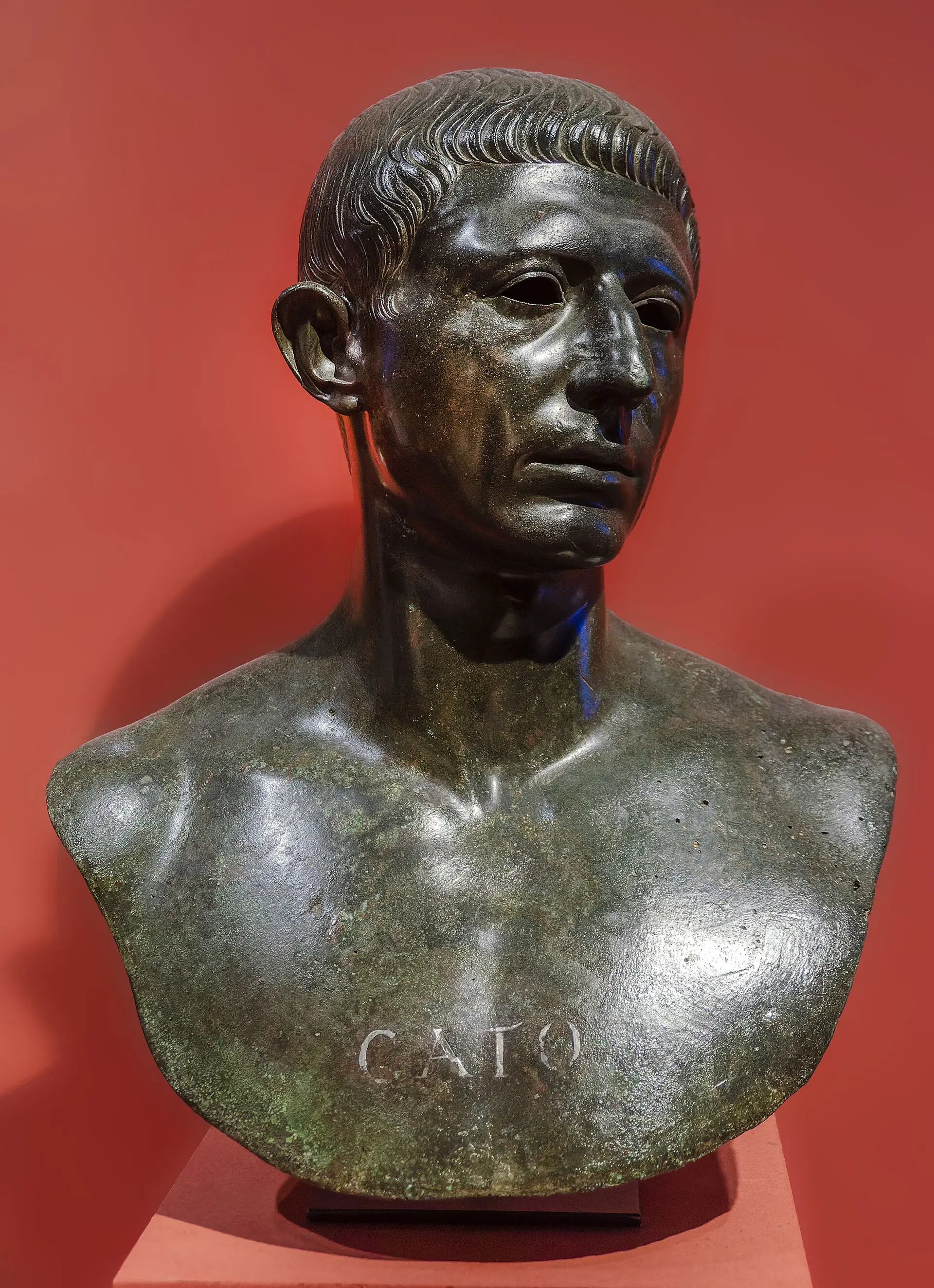
In 58 BCE Rome annexed Cyprus; King Ptolemy took poison and Cato the Younger auctioned the royal treasure.

In 116–117 the Jews of Cyprus rose under Artemion during the Kitos War; Salamis was devastated and ancient sources claim 240,000 deaths.

In the late 2nd century a wealthy villa at Paphos was paved with some of the finest Roman mosaics in the eastern Mediterranean.

In 365 a great earthquake, probably linked to the Crete earthquake of 21 July, ruined Kourion and other cities of southern Cyprus.

396 – 1190
An independent Church, Arab raids and an imperial condominium.
An autocephalous Church (431/488), Arab raids and the Arab–Byzantine condominium (688–965), Byzantine reconquest, the Troodos painted churches and Isaac Komnenos.

In 431 the Third Ecumenical Council at Ephesus upheld the independence of the Cypriot Church against the claims of the Patriarch of Antioch.
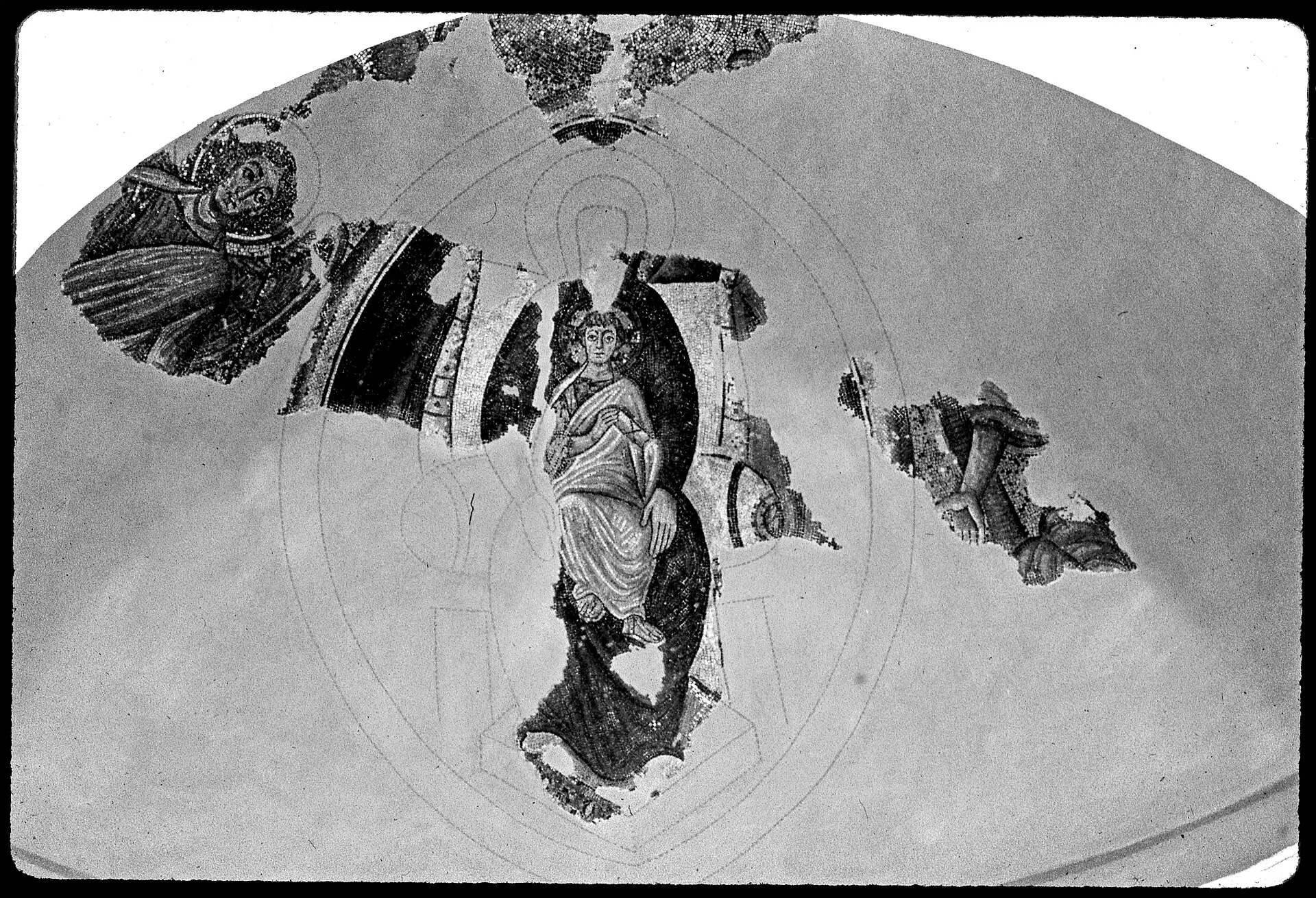
About 525–530 the church of the Panagia Kanakaria at Lythrangomi received one of the finest surviving early Byzantine mosaics.

In 1105/06 the church of the Panagia Phorbiotissa at Asinou was painted with frescoes, now part of the UNESCO-listed Painted Churches of the Troodos.

In 1184–1185 Isaac Komnenos, a relative of the imperial family, took control of Cyprus with forged letters and proclaimed himself emperor.

1191 – 1488
A Latin kingdom in the Orthodox East.
Richard I's conquest, the Templars and three centuries of the Lusignan kingdom: Gothic Nicosia and Famagusta, Peter I's crusade, Genoese Famagusta, the Mamluk invasion of 1426 and Catherine Cornaro.
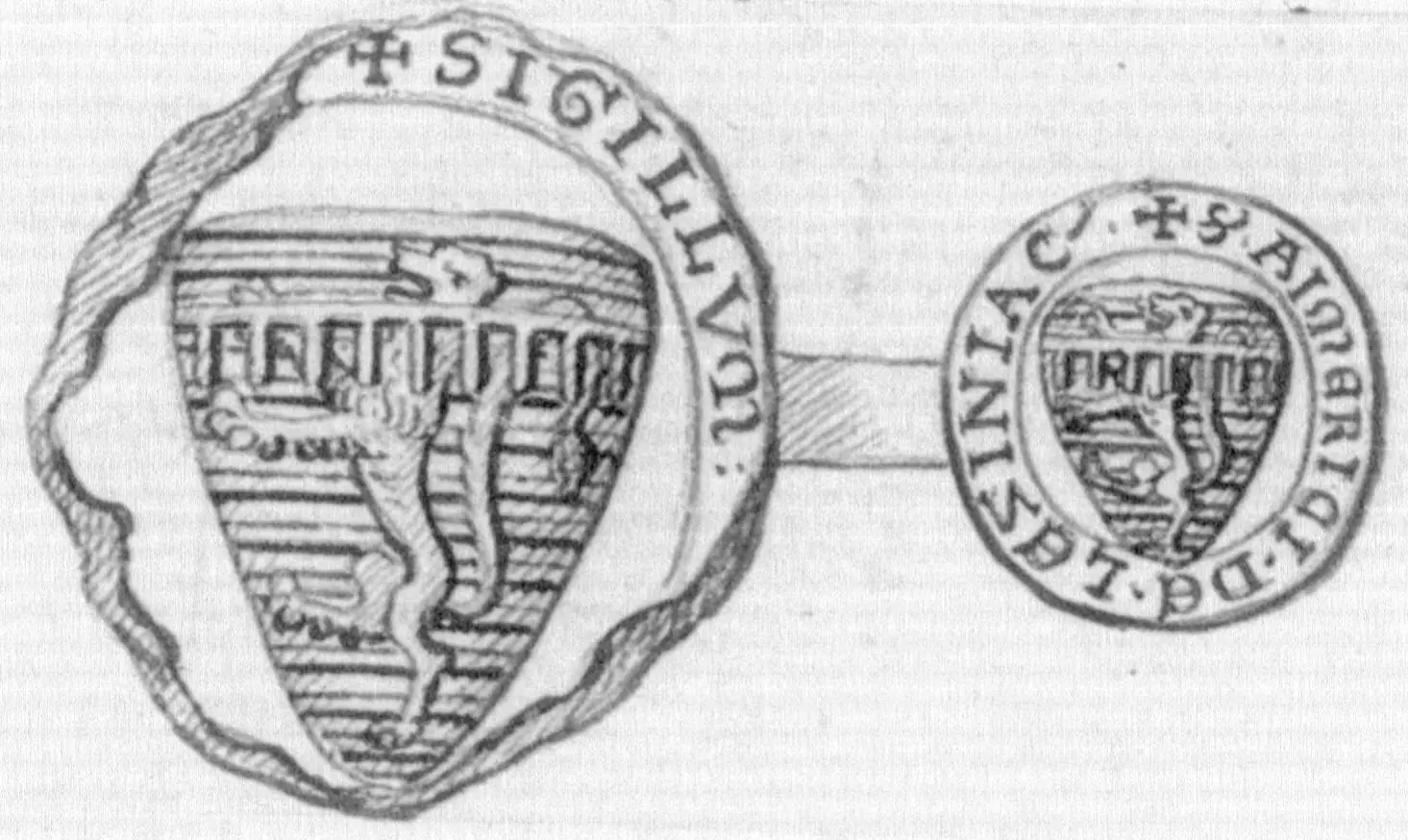
In September 1197 the imperial chancellor Conrad crowned Aimery of Lusignan in Nicosia, creating the Kingdom of Cyprus.

About 1198–1205 Aimery founded the abbey of St Mary of the Mountain at Bellapais, later the finest Gothic monastery in the Levant.

In 1373–1374 a Genoese fleet invaded Cyprus, took Famagusta and imposed a crushing peace.

On 7 July 1426 a Mamluk army routed the Cypriot forces at Khirokitia and captured King Janus.

1489 – 1569
A fortified frontier of the Republic of Venice.
Venice ruled Cyprus as a fortified frontier against the Ottomans, building the walls of Nicosia and Famagusta.

From 1492 the Venetians rebuilt the citadel and walls of Famagusta, and later Kyrenia, to resist artillery.

In 1567 Venice began the star-shaped fortifications of Nicosia, designed by Giulio Savorgnan with eleven bastions.

In the mid-16th century Venetian Cyprus, with a mainly Greek Orthodox population of about 160,000, produced cotton, sugar and salt under heavy taxation.

In March 1570 an Ottoman envoy demanded that Venice surrender Cyprus; the Republic refused and war followed.

1570 – 1877
Conquest, the millet system and the ethnarch.
The sieges of Nicosia and Famagusta (1570–71), Ottoman settlement and the millet system with the Orthodox archbishop as ethnarch, revolts, and the executions of 1821.

From September 1570 the Venetian garrison of Famagusta held out for almost a year before surrendering with ammunition and food exhausted.

From 1572 Ottoman decrees transferred settlers from Anatolia to Cyprus, forming the core of the Turkish Cypriot community.

From about 1660 the Ottoman authorities recognised the Archbishop of Cyprus as the representative of the Greek Orthodox population.

After the outbreak of the Greek War of Independence the Ottoman governor had Archbishop Kyprianos and the bishops put to death in Nicosia on 9 July 1821.

1878 – 1959
From British administration to crown colony, enosis and the EOKA campaign.
British administration from 1878, annexation (1914) and crown colony (1925), the 1931 revolt, the Second World War, the enosis movement and the EOKA campaign (1955–59).
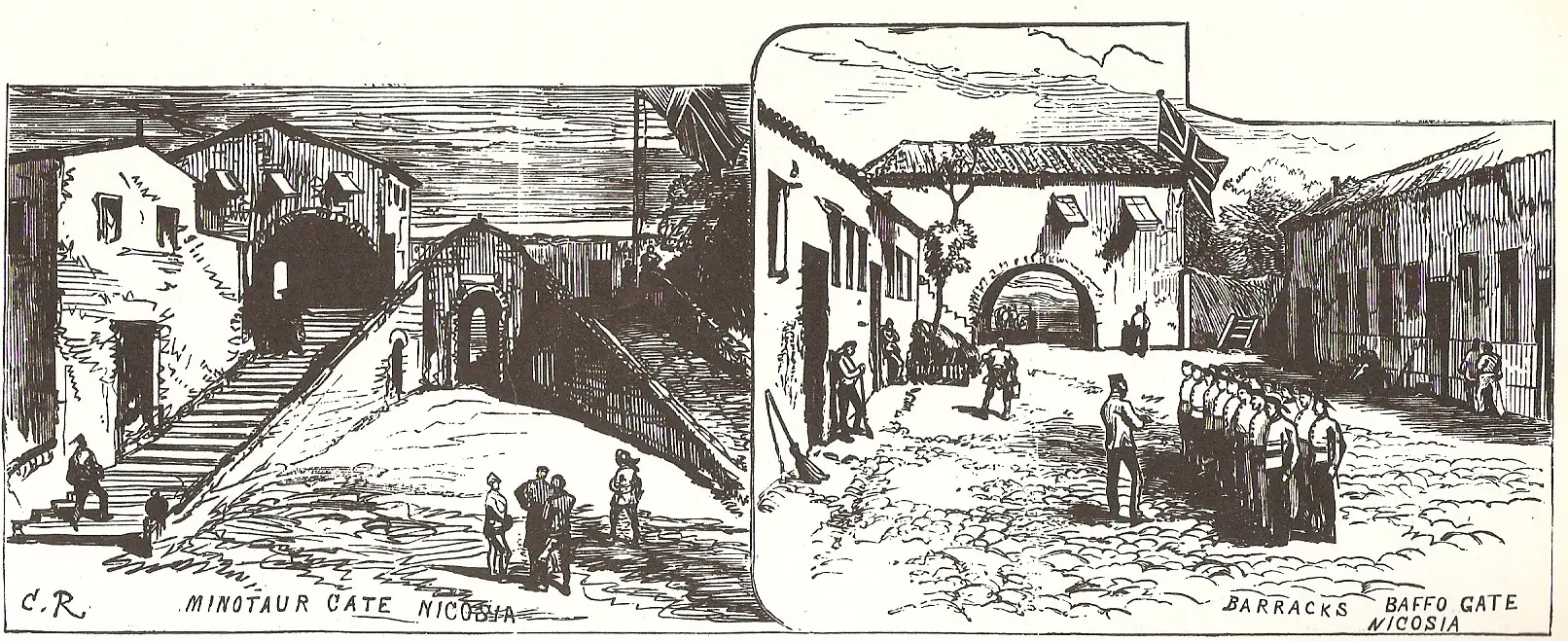
On 5 November 1914, after the Ottoman Empire entered the First World War on Germany's side, Britain annexed Cyprus outright.

On 21 October 1931 riots for enosis spread across Cyprus, and a crowd burned Government House in Nicosia.

On 1 April 1955 bombs exploded across Cyprus as EOKA, led by Grivas under the name Digenis, launched its armed campaign for enosis.

In February 1959 Greece and Turkey agreed at Zurich and all parties signed in London the framework for an independent Republic of Cyprus.
Population: Linear interpolation between 1946 (Census 1946: 450,114 (Wikipedia, Demographics of Cyprus)) and 1960 (Census 1960: 573,566 (Wikipedia, Demographics of Cyprus)).

1960 – 1974
An independent republic, communal violence and the events of 1974.
Independence under the Zurich–London agreements (1960), the breakdown of 1963–64, UNFICYP, the 1974 coup and the Turkish military intervention.

On 21 December 1963 an incident at a police checkpoint in Nicosia triggered intercommunal fighting that killed hundreds and broke up the bicommunal state.

On 4 March 1964 Security Council Resolution 186 created the UN Peacekeeping Force in Cyprus, which still patrols the island.
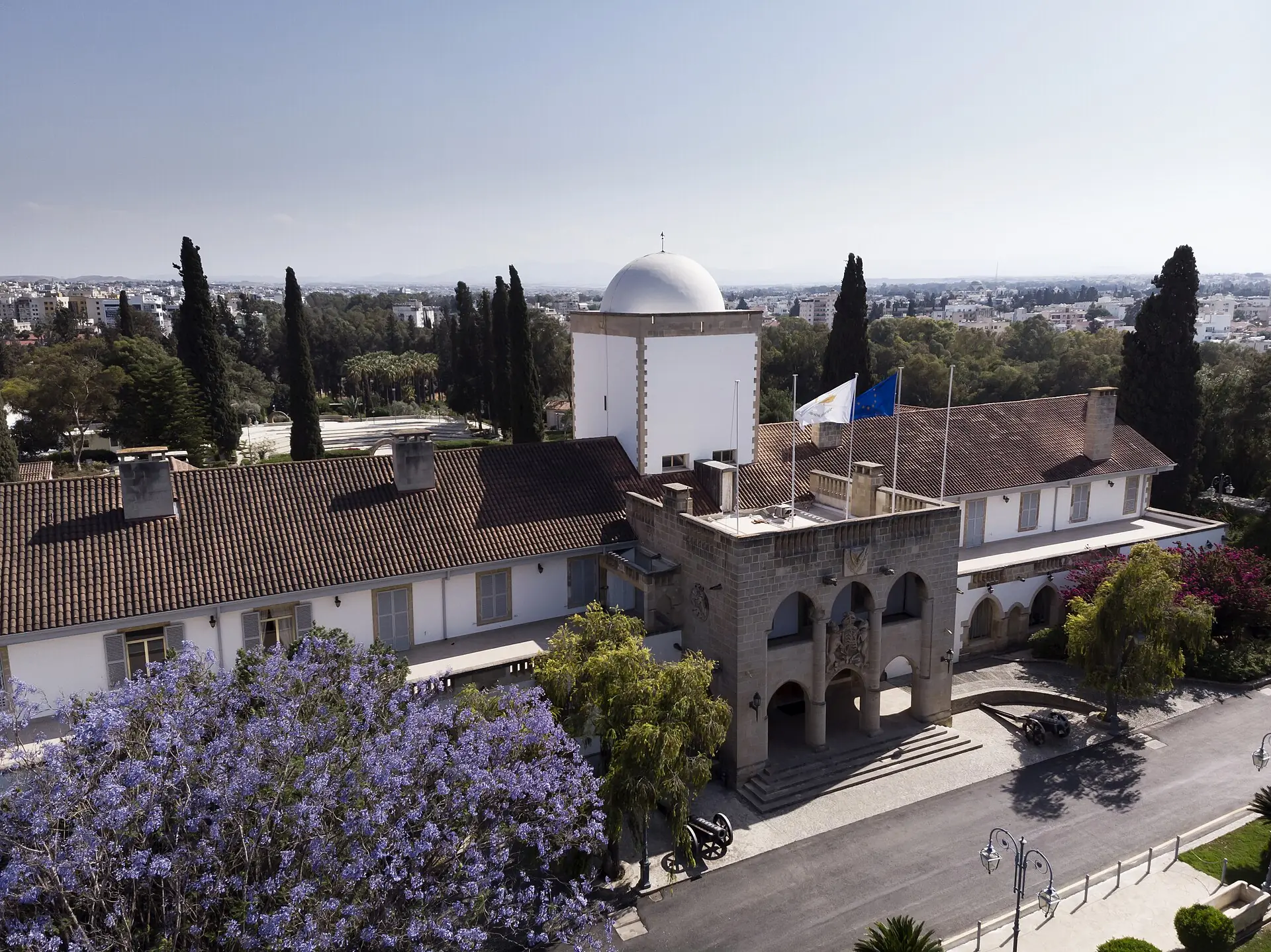
On 15 July 1974 the National Guard, led by Greek officers on the orders of the Athens junta, overthrew Makarios and installed Nikos Sampson.

On 20 July 1974 Turkish forces landed near Kyrenia, an action Turkey calls the Cyprus Peace Operation and Greek Cypriots and most international bodies call an invasion.
Population: Linear interpolation between 1973 (Estimate 1973 (whole island): 634,000 (Wikipedia, Demographics of Cyprus)) and 2011 (Census 2011, government-controlled area only: 840,407 (Wikipedia, Demographics of Cyprus)).

1975 – 2003
A divided island, refugees, missing persons and repeated UN talks.
A divided island: displacement and missing persons, the High-Level Agreements, the Turkish Cypriot declaration of the TRNC (1983, recognised only by Turkey), economic recovery in the south and repeated UN talks.
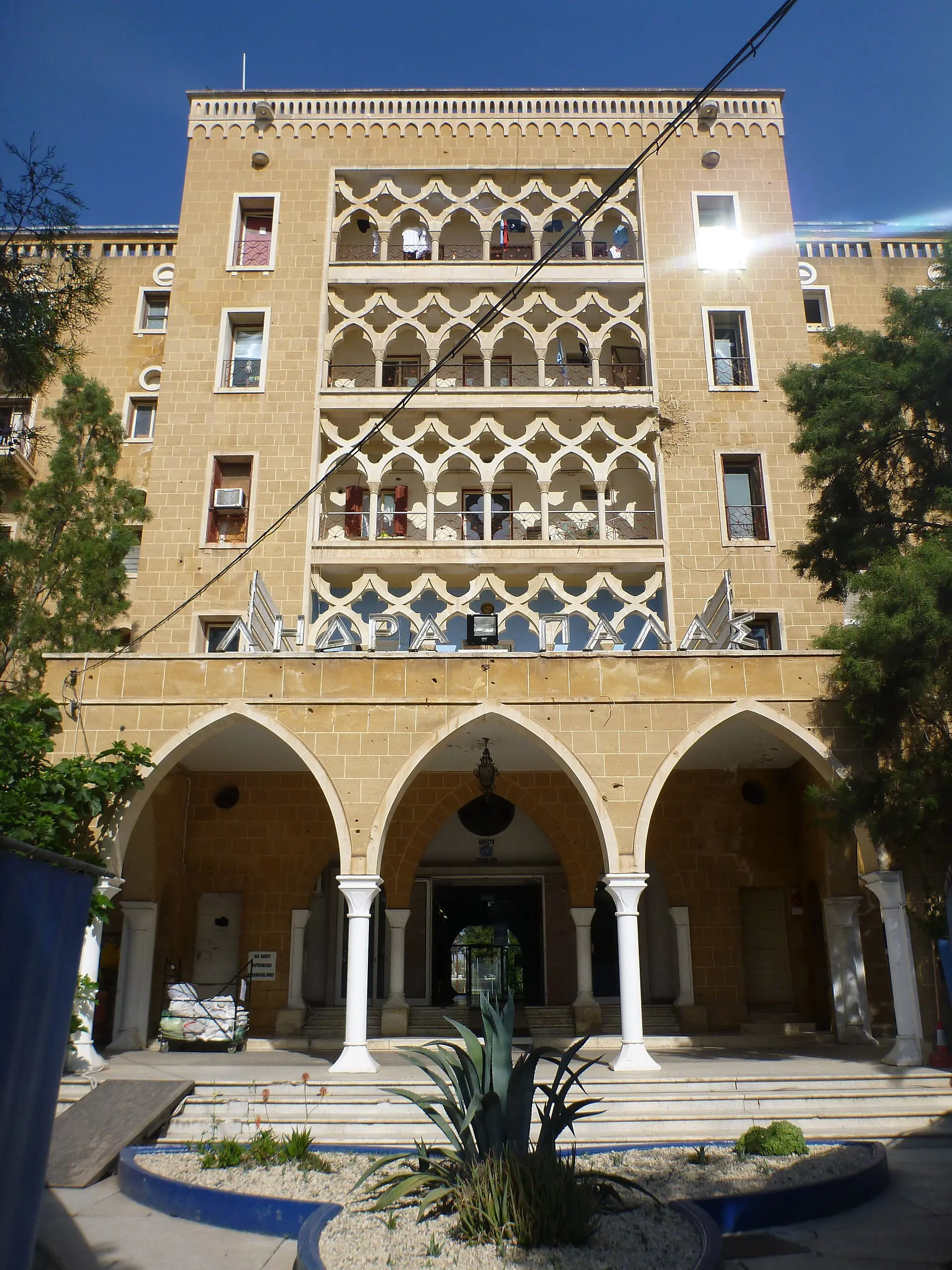
In February 1977 Makarios and Denktaş agreed four guidelines for a bicommunal federal republic, the basis of all later talks.

In 1981 the two communities and the UN set up the Committee on Missing Persons to trace the roughly 2,000 people who disappeared in 1963–64 and 1974.

In November 2002 UN Secretary-General Kofi Annan presented a comprehensive plan for a United Cyprus Republic of two constituent states.

On 23 April 2003 the Turkish Cypriot authorities eased restrictions at the Green Line, and within weeks hundreds of thousands crossed for the first time since 1974.
Population: Linear interpolation between 1973 (Estimate 1973 (whole island): 634,000 (Wikipedia, Demographics of Cyprus)) and 2011 (Census 2011, government-controlled area only: 840,407 (Wikipedia, Demographics of Cyprus)).

2004 – present
Membership of the European Union, offshore gas and unresolved talks.
The Annan Plan referendums and EU accession (2004), the euro (2008), offshore gas, the 2013 banking crisis, Crans-Montana (2017) and the 2026 EU Council presidency.

On 24 April 2004, in simultaneous referendums, 65 per cent of Turkish Cypriots approved the Annan Plan while 76 per cent of Greek Cypriots rejected it.

On 1 January 2008 the euro replaced the Cypriot pound as the currency of the Republic.

In December 2011 Noble Energy announced the discovery of the Aphrodite gas field in the exclusive economic zone of the Republic.

In March 2013 a eurozone rescue closed Laiki Bank and imposed heavy losses on large deposits at the Bank of Cyprus.
Population: Census 2021, government-controlled area only: 923,381 (Wikipedia, Demographics of Cyprus); the north is counted separately.
Copper Kingdoms, Lusignans, Venice, Sultans and the Republic – Prehistory to Today
From the hunters of Aetokremnos and the copper island of Alashiya to the city-kingdoms, Persians and Ptolemies, Roman and Byzantine Cyprus, the Lusignan kingdom, Venice, the Ottomans and the British, independence in 1960, the events of 1974 and a divided island in the European Union.
If the page stays blank, the site doesn't allow embedding — use “Open in new tab”.
From the temples of Paphos and the walls of Famagusta to the painted churches of the Troodos and the copper hills that gave the metal its name, the history of Cyprus has left the world a syllabary of its own for writing Greek, the Church of Cyprus and its archbishop-ethnarchs, a Gothic kingdom in the Levant, Venetian and Ottoman fortresses, the Greek Cypriot and Turkish Cypriot communities, the memory of the EOKA struggle and of 1974, and a divided island in the European Union, between Athens, Ankara, London, New York and Brussels.
The archaeological park of Paphos, with the mosaics of the House of Dionysus found in 1962, the painted churches of the Troodos, among them Asinou, and the Neolithic village of Khirokitia are the Cypriot sites on the UNESCO World Heritage List. Salamis and Kourion, with its theatre and the sanctuary of Apollo Hylates, the Kyrenia ship of the 4th century BCE, the Gothic abbey of Bellapais, St Sophia in Nicosia, now the Selimiye Mosque, and the Venetian walls of Nicosia and Famagusta recall the many rulers of the island, as do the castle of Kolossi, the Büyük Han and the Kamares Aqueduct. The monasteries of Kykkos and Stavrovouni, the harbour and castle of Kyrenia and the old quarters of Larnaca and Limassol are part of the same story, and the heritage of the north and the south is protected, and sometimes endangered, on both sides of the dividing line.
Cyprus kept writing when the Greek mainland had lost it: the Cypro-Minoan script of the Bronze Age was followed by the Cypriot syllabary, used about 800 BCE to write the Arcadocypriot dialect of Greek, beside the Eteocypriot language of Amathus, which is still not understood. Medieval Cyprus produced the Livre des Assises of John of Ibelin, the writings of Neophytos the Recluse and the chronicle of Leontios Machairas, written in Cypriot Greek in the 1430s. Cypriot Greek and Cypriot Turkish are spoken today beside the standard languages of Greece and Turkey, and the 1960 constitution made Greek and Turkish the official languages of the Republic. Lawrence Durrell's Bitter Lemons, published in 1957, described the island in the years of the EOKA emergency, and language, schooling and the books of both communities have been closely tied to politics, from the Pancyprian Gymnasium of 1812 to the University of Cyprus, founded in 1989.
According to tradition, Barnabas, a native of Salamis, and Paul brought Christianity to Cyprus about 45, and the Council of Ephesus confirmed the independence of the Church of Cyprus in 431. The relics of Barnabas were found about 488, and under the Ottomans the Orthodox archbishop became the ethnarch of the Greek Orthodox community. The Latin Church came with the Lusignans in 1196, and the Bulla Cypria of 1260 settled its relations with the Orthodox, who kept their faith under Catholic, Muslim and British rulers. The Ottoman conquest converted cathedrals into mosques and brought Sunni Islam, and the shrine of Hala Sultan Tekke near Larnaca is a place of pilgrimage for Muslims. Archbishop Makarios III, elected in 1950, became the first President of the Republic, and the archbishops have remained a political as well as a religious voice. The Orthodox Church, the Maronites, Armenians and Latins, the Muslims of the Turkish Cypriot community and the small Jewish community are all part of the religious life of the island.
Cyprus has two main communities. Greek Cypriots, mostly Orthodox Christians, descend from the Greek-speaking population of the island, and Turkish Cypriots, mostly Sunni Muslims, from the Anatolian settlers brought by Ottoman decrees from 1572 and from Cypriots who converted to Islam. The Linobambaki, who outwardly accepted Islam while keeping Christian practice, show how blurred the line could be. The island also has Maronites, Armenians and Latins, who are recognised in the Republic as religious groups, and Jewish refugees were held in British camps on the island in 1946–1949. The first census under British rule, of 1881, counted 186,173 people, and the census of 2021 counted 923,381 in the area under the control of the Republic, while the north is counted separately. The violence of 1963–1964 and 1974 separated the communities, and since the opening of the crossing points in 2003 many people have again crossed the line to visit homes, villages and relatives.
The siege of Famagusta of 1570–1571 and the execution of Marco Antonio Bragadin are remembered in Venice and Cyprus, and the executions of 1821 in the Greek Orthodox memory of Archbishop Kyprianos. The EOKA campaign of 1955–1959 is remembered by Greek Cypriots through fighters such as Grigoris Afxentiou and Evagoras Pallikarides, while Turkish Cypriots remember the violence of 1963–1964, the enclaves and the TMT. The coup of 15 July 1974 and the Turkish military intervention, which Turkey calls a peace operation and Greek Cypriots and most international bodies call an invasion, are remembered differently in the south and the north, as are the killings of civilians and prisoners by both sides, such as Tochni and Maratha, Santalaris and Aloda. About 160,000–200,000 Greek Cypriots and 40,000–60,000 Turkish Cypriots were displaced, according to differing estimates, and the Committee on Missing Persons, set up in 1981 under UN auspices, lists 1,510 Greek Cypriots and 492 Turkish Cypriots as missing. The resort quarter of Varosha, fenced off since 1974, was partly reopened in October 2020, and the United Nations buffer zone still divides Nicosia.
Zeno of Kition founded Stoicism in Athens about 300 BCE, and Epiphanius of Salamis and Spyridon were among the bishops of the 4th century. The copper of Cyprus gave the metal its Latin name, and the oxhide ingots, the Uluburun shipwreck and the Kyrenia ship show the reach of its trade. Archaeology has been a national passion since Luigi Palma di Cesnola's digging of 1865–1877, the Cyprus Museum of 1882, the Swedish Cyprus Expedition of 1927–1931 and the excavation of Khirokitia from 1934. Cyprus first took part in the Eurovision Song Contest in 1981 and co-hosted EuroBasket 2025, while the University of Cyprus, tourism, shipping and financial services mark the modern economy.
The flag of the Republic, a copper-coloured silhouette of the island above two olive branches on a white field, was chosen in 1960 to avoid the colours of Greece and Turkey, and the Republic has no anthem of its own: Greek Cypriots use the Greek national anthem and Turkish Cypriots the Turkish one. The constitution of 1960 shared power between the communities, with a Greek Cypriot President and a Turkish Cypriot Vice-President, and with Britain, Greece and Turkey as guarantors; the Vice-Presidency has been vacant since 1963–1964, and the President heads both state and government. The Turkish Cypriot administration in the north has its own flag, institutions and leader, and its declaration of 1983 is recognised only by Turkey and was called legally invalid by Security Council Resolution 541. The Republic joined the Commonwealth in 1961, the European Union in 2004 and the euro area in 2008, while Britain keeps the Sovereign Base Areas of Akrotiri and Dhekelia and the United Nations patrols the buffer zone between the two sides.
Cyprus lies where Europe, Asia and Africa meet, and for three thousand years the island has been fought over by Egypt, Assyria, Persia, Rome, Byzantium, the caliphs, the Crusaders, Genoa, the Mamluks, Venice, the Ottomans and Britain. Its position made it a naval base in the age of the Ptolemies, a refuge for Crusaders after Acre, a British station after the Suez Canal of 1869, and today a hub for the gas and shipping of the eastern Mediterranean, with the Aphrodite field and the Great Sea Interconnector, and a staging point for aid to Gaza by the Amalthea corridor of 2024. The Cyprus problem remains unresolved after the Annan Plan of 2004, the conference at Crans-Montana in 2017 and the informal meetings of 2025, and the United Nations continues to mediate, with envoys such as María Ángela Holguín and the Secretary-General's visit of July 2026. The Republic of Cyprus, with about 0.9 million people in the area it controls, is an EU member, the north is under the Turkish Cypriot administration, and the drone strikes on Akrotiri in March 2026 showed how close the island lies to the conflicts of the Middle East.
The timeline is built from the project's own research dossier and its event, ruler, head-of-administration and map datasets, checked against English Wikipedia, Encyclopaedia Britannica, UNESCO, the Presidency, the Press and Information Office and the House of Representatives of the Republic of Cyprus, the Statistical Service of Cyprus, the Department of Antiquities, the United Nations and UNFICYP, the Committee on Missing Persons in Cyprus, the Sovereign Base Areas Administration, WorldStatesmen.org, Livius, the Cyprus Mail and other references. Linked articles are starting points for verification, not proof that every claim has been independently checked. Prehistoric and ancient dates are archaeological or traditional estimates; the identification of Alashiya with Cyprus is the majority view but not certain, the dates of the early city-kings and of the Arab expeditions rest on few sources and are marked circa, and Makarios III's election as archbishop is dated to 18 October 1950 although Wikipedia gives 18 September. Cyprus has no prime minister: the President is head of state and government, the Turkish Cypriot side has a prime minister, and the Vice-Presidency has been vacant since 1963–1964. Positions on the Cyprus problem are attributed to their sources: the Turkish military intervention of July 1974 is called a peace operation by Turkey and an invasion by Greek Cypriots and most international bodies, and the Turkish Republic of Northern Cyprus, declared in 1983, is recognised only by Turkey and was declared legally invalid by Security Council Resolution 541. Figures for the displaced (about 160,000–200,000 Greek Cypriots and 40,000–60,000 Turkish Cypriots) and the dead vary by source, and the missing follow the Committee on Missing Persons. Population figures are census counts from 1881 to 1960, an estimate for 1973 and, for 2011 and 2021, counts for the government-controlled area only. The most recent events, from 2025 to 2026, rest on sources that are still changing; the shading of the map is indicative and approximates historical borders at the level of the island's communities.
Every event and every ruler has its own sources. See Sources & Further Reading in each timeline entry and ruler profile.
History is connected. Explore the bigger picture.
AllHistories is an independent visual history project designed to make the past easier to understand, explore, and connect.
History is more than a collection of dates, rulers, and battles. Events rarely happen in isolation. Borders shift, civilizations influence one another, ideas spread, and decisions made centuries ago continue to shape the world today.
Through interactive timelines, historical maps, and visual storytelling, AllHistories helps uncover these connections and makes complex historical subjects more accessible and engaging.
Travel through centuries, discover turning points, and understand how historical events unfold and connect.
Explore how borders, civilizations, populations, trade routes, beliefs, and spheres of influence have changed over time.
Go beyond dates and discover the individuals, places, decisions, and circumstances behind historical developments.
Explore connections between countries, empires, civilizations, and historical themes to better understand cause and consequence.
Features vary depending on the historical subject.
AllHistories draws on historical research, published references, public archives, and available historical datasets. The information is organized and presented through interactive digital experiences.
History is not always certain or universally agreed upon. Dates, territorial boundaries, population figures, and interpretations may differ between sources. Some information is necessarily simplified or estimated for visual presentation.
The goal is to encourage curiosity and independent exploration, not to replace academic publications or specialist historical research.
When you visit AllHistories, the web server may process technical information such as your IP address, requested pages, browser details and access times to deliver pages and maintain the service.
Some pages load Google Analytics, Google Fonts, externally hosted images, maps or other third-party resources. Requests to these providers can transmit technical information, including your IP address. Contact forms may use Google reCAPTCHA to help prevent abuse. These providers apply their own privacy policies.
The website uses browser storage for preferences such as the selected theme. Country microsites also use a session cookie to support website functionality, including request protection. Analytics or other third-party services may use additional cookies or storage, depending on the page and your browser settings.
When you submit a correction or contact form, the information you provide, such as your name, email address and message, is processed to review and respond to your request. Please avoid including sensitive personal information.
You can manage cookies and site storage in your browser and control third-party requests through browser privacy settings. For privacy questions or requests concerning information you submitted, use the contact option on the microsite where you sent it.
Links to sources and other websites take you to services with their own privacy practices. Review their policies before providing personal information.
AllHistories provides historical information for general education and exploration. Its content is not professional, legal, financial or other specialist advice.
We aim to present useful, well-sourced summaries, but cannot guarantee that every date, statement, translation or interpretation is complete or accurate. Verify important claims against the cited sources and relevant scholarship. Content may be corrected or updated.
Maps are simplified historical illustrations. Borders, place names and territorial labels may vary by period and source. Their appearance does not express a position on sovereignty or present-day territorial disputes.
Images and source material may belong to their respective creators or rights holders. Consult the image credit, source page and license before reusing material. A link or credit does not grant additional reuse rights.
External links are provided for reference. AllHistories does not control the content, availability or policies of third-party websites.
To report an error or a concern about credited material, use the contact option on the relevant country microsite and identify the page, material and supporting details.